
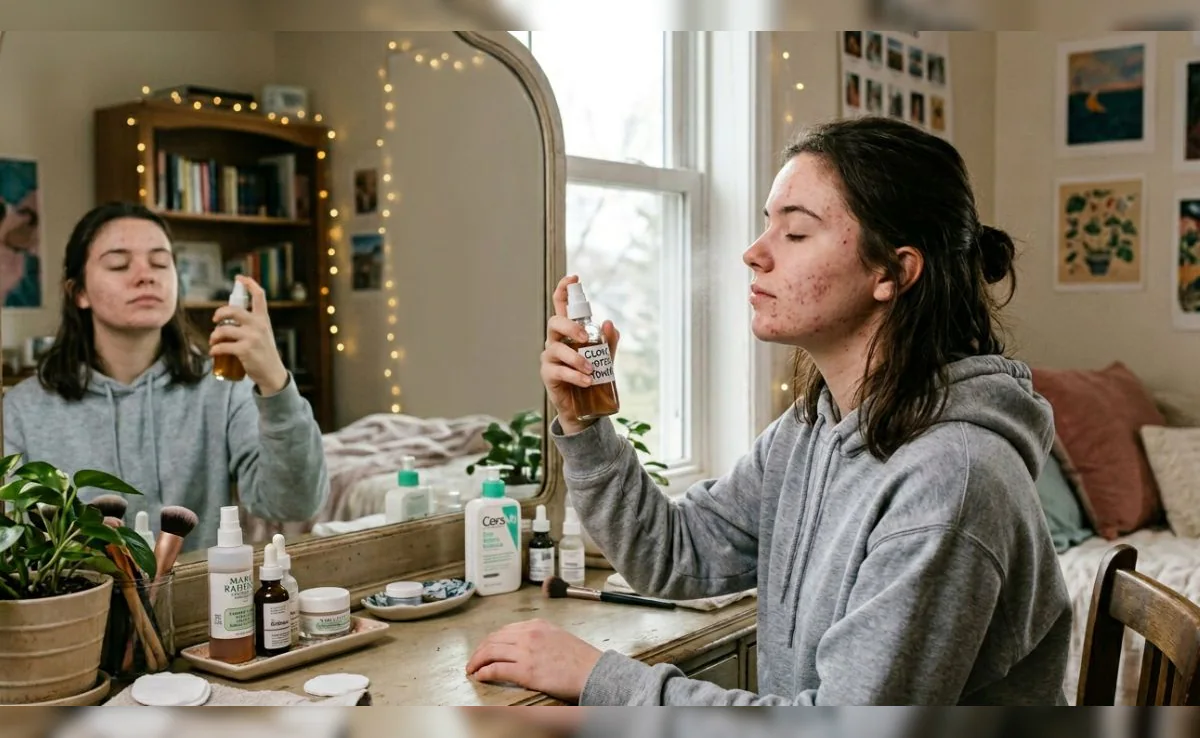

Every few weeks, a new “miracle” hack floods platforms, backed by before-and-after videos and glowing testimonials. The latest to dominate feeds is clove water, a simple DIY concoction that is being hailed as a natural solution for acne, dullness, and uneven skin tone.
What The Viral Trend Claims
Scroll through Instagram Reels and you will find countless creators spraying homemade clove water on their faces, calling it a “glow-up mist” or a “natural acne cure”.
The buzz around clove water centres on its supposed ability to transform the skin. Influencers claim it can reduce acne, tighten pores, brighten complexion, and even lighten skin tone over time. Many videos show quick routines where clove water is used as a toner or facial mist after cleansing.
The appeal is obvious: it is affordable, easy to make, and rooted in traditional ingredients. But while the trend is everywhere, the real question remains: Does it actually work?
What Is Clove Water And How Is It Used?
Clove water is typically made by boiling whole cloves in water, cooling the mixture, and then storing it in a spray bottle. It is applied as a facial mist or toner once or twice a day.
The key active compound in cloves is eugenol, known for its antimicrobial and anti-inflammatory properties. This is why cloves have long been used in traditional remedies for dental pain and minor infections. On the skin, these properties may help reduce bacteria and calm inflammation, both of which are linked to acne.
However, it is important to note that what works in theory does not always translate into safe or effective skincare when used directly on the face.
What Does Science Actually Say?
While users report clearer and more refreshed skin, there is little consistency in results, and the dramatic “before and after” transformations lack scientific backing. The promise of “whitening” or instant glow, in particular, has raised eyebrows among skincare professionals.
The science behind clove water is limited and indirect. There are no large-scale clinical studies specifically evaluating clove water as a facial treatment. Most of the available evidence comes from research on clove oil or eugenol.
Laboratory studies suggest that eugenol has anti-inflammatory and antimicrobial effects, which could, in theory, help with acne by reducing bacteria and soothing irritated skin. Some research also points to antioxidant benefits, which may contribute to a mild brightening effect over time.
However, experts caution against overinterpreting these findings. Eugenol is a potent compound and can be irritating to the skin, especially in higher concentrations. Dermatology literature also highlights its potential to cause contact dermatitis, redness, and even burn-like reactions in extreme cases.
In short, while there is some scientific basis for its benefits, there is equally strong evidence pointing to possible risks.
Can It Really Help With Acne?
Clove water may offer mild benefits for certain individuals, particularly those with oily or acne-prone skin. Its antibacterial properties could help reduce acne-causing microbes, while its anti-inflammatory nature may calm redness and swelling.
That said, it is far from a guaranteed solution. Acne is a complex condition influenced by hormones, genetics, diet, and skincare habits. A single DIY remedy is unlikely to address all these factors.
Clove water may offer mild benefits for certain individuals. Photo: Unsplash
Moreover, overuse or incorrect application can backfire. Irritation caused by clove water may lead to increased sensitivity or even post-inflammatory hyperpigmentation, especially when combined with sun exposure.
Risks And Precautions
One of the biggest concerns with viral skincare hacks is the lack of standardisation. The strength of clove water can vary depending on how it is prepared, making it difficult to control its effects on the skin.
Common side effects include:
- Stinging or burning sensation
- Redness and irritation
- Dryness and flakiness
- Allergic reactions in sensitive individuals
People with dry, sensitive, or eczema-prone skin should be particularly cautious. Patch testing before use is essential, and applying it on broken or inflamed skin should be avoided altogether.
Experts also stress the importance of sunscreen, as irritation can make the skin more vulnerable to sun damage and pigmentation.
The Bottom Line
Clove water may be trending, but it sits firmly in the category of experimental, social media-driven skincare rather than a clinically proven treatment. While it does contain compounds with potential benefits, the lack of robust evidence and the risk of irritation make it far from a universal solution.
Comments are closed.