
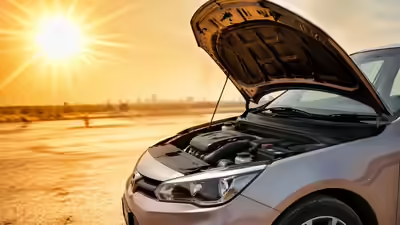

Fuel efficiency may drop in summer months. Increased use of air conditioning adds load on the engine, while hotter air reduces combustion efficiency slightly, contributing to lower mileage. The air conditioning system itself operates under higher load. Low refrigerant levels or clogged filters reduce cooling efficiency, forcing the system to work harder and increasing wear over time.Interior components are also affected. Cabin temperatures rise significantly when parked in direct sunlight, leading to fading, cracking and material deterioration. Electronic components, including infotainment systems, may also be impacted by prolonged heat exposure. On the exterior, continuous sunlight can degrade paint quality, causing fading and oxidation. Dark colours absorb more heat, accelerating this process. Rubber parts such as window seals and wiper blades can also deteriorate faster.High temperatures can also affect fluids such as engine oil, brake fluid and transmission fluid, reducing their effectiveness.
Engine oil may thin out, impacting lubrication and increasing wear on internal components. Electronic systems and sensors may experience minor issues under sustained heat, including reduced efficiency or warning alerts, although most are designed to operate within a wide temperature range.To reduce the impact, owners can take basic precautions such as parking in shaded areas, using sunshades or covers, maintaining coolant and fluid levels, checking tyre pressure regularly, servicing the air conditioning system and avoiding excessive engine load in traffic or long drives. While modern vehicles are built to handle high temperatures, regular maintenance and preventive checks remain important to ensure consistent performance during Indian summers
Comments are closed.