
Singapore’s ‘shoebox king’ Ching Chiat Kwong seeks $1B in lawsuit over failed Australian satellite firm

The lawsuit, which is being heard at the Supreme Court of Victoria, was filed by the liquidators of NewSat against a group of lenders and credit providers, including the Export-Import Bank of the United States, France’s Coface, Societe Generale, Standard Chartered and Credit Suisse, which is now owned by UBS.
Ching, who says he invested $100 million in the company, has spent $20 million to fund the lawsuit, according to the Australian Financial Review.
The suit centers on allegations that the lenders failed to honor their loan commitments, leaving NewSat without the funds required to pay contractors responsible for building and launching what would have been Australia’s first independently-owned satellite.
Ching contends this setback wiped out the firm’s opportunity to launch the satellite and caused a loss of potential earnings. He has estimated losses at about $1 billion, citing an expert report, though Standard Chartered said claimants have asserted damages as high as $4.81 billion.
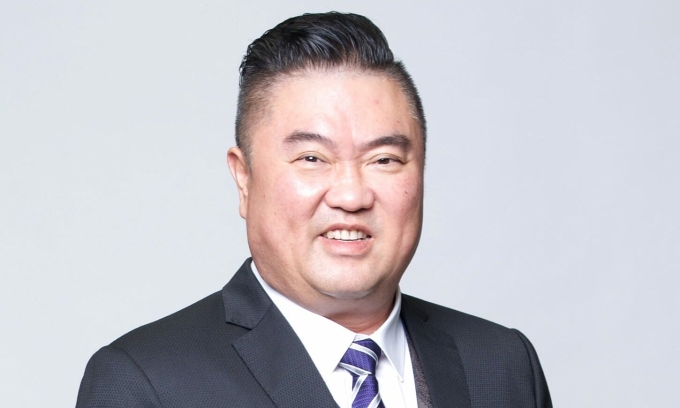
Ching Chiat Kwong, executive chairman and CEO of Oxley Holdings. Photo from the company’s website |
Ching, 60, is the executive chairman and CEO of Oxley Holdings, a high-rise developer known for building small apartments across Singapore, a focus that earned him the nickname “shoebox king,” according to Forbeswhich previously ranked him 49th on the city-state’s rich list in 2018.
NewSat’s collapse
NewSat, founded in 1987 by Australian entrepreneur Adrian Ballintine, was supposed to launch the country’s first satellite, called Jabiru-1, long before Elon Musk’s Starlink began offering telecommunications services to remote regions. The company had already secured contracts valued at roughly $850 million before its fall.
Under the rollout plan, Lockheed Martin would be largely funded by the Export-Import Bank of the United States to build the satellite. France’s Coface would provide support for the launch of the satellite by Arianespace, with additional backing from several other lenders.
But NewSat came under scrutiny in 2015 over a string of critical media reports that underscored lenders’ concerns about the firm’s governance, particularly Ballintine’s use of company funds on travel, lavish meals and a yacht business in which he had a stake.
The governance issues also included a clash that nearly descended into a physical fight among the group’s directors during a board meeting, which was caught on video and later published by local media.
The latest lawsuit alleges that as these concerns gained traction in the media, lenders imposed additional conditions on their loans that were impossible to meet.
Ching, who sat on NewSat’s board at the time, also argues the firm was not given sufficient time to properly evaluate the allegations or respond to them.
He claims that the allegedly unconscionable conduct pushed the company into default despite efforts to comply with the added demands. He also says a key part of the suit is a document signed by now-French President Emmanuel Macron, who at the time was overseeing Coface.
NewSat collapsed that same year without ever launching its satellite, wiping out about $200 million in investor funds.
‘It doesn’t make sense’
Ching claims the governance concerns had been overstated. “When you are in industry or you want to sell services, you are like a salesman,” he said in an interview with Bloomberg.
“What is a couple of thousand dollars or first class ticket or private jet to sell what you have and get in hundreds of million dollars of sales?”
In an interview with Australian media earlier this year, Ching said the decision to halt the launch did not make sense as sending the satellite into orbit would have allowed NewSat to repay its lenders.
“It doesn’t make sense for any lenders to stop the launch,” said Ching in the interview, as quoted by the Sydney Morning Herald.
“But to my shock, somehow this irrational decision came about, and there’s a reason, and these reasons will be established in court,” he said. “I’ve waited more than 10 years for the truth to come out.”

Comments are closed.