
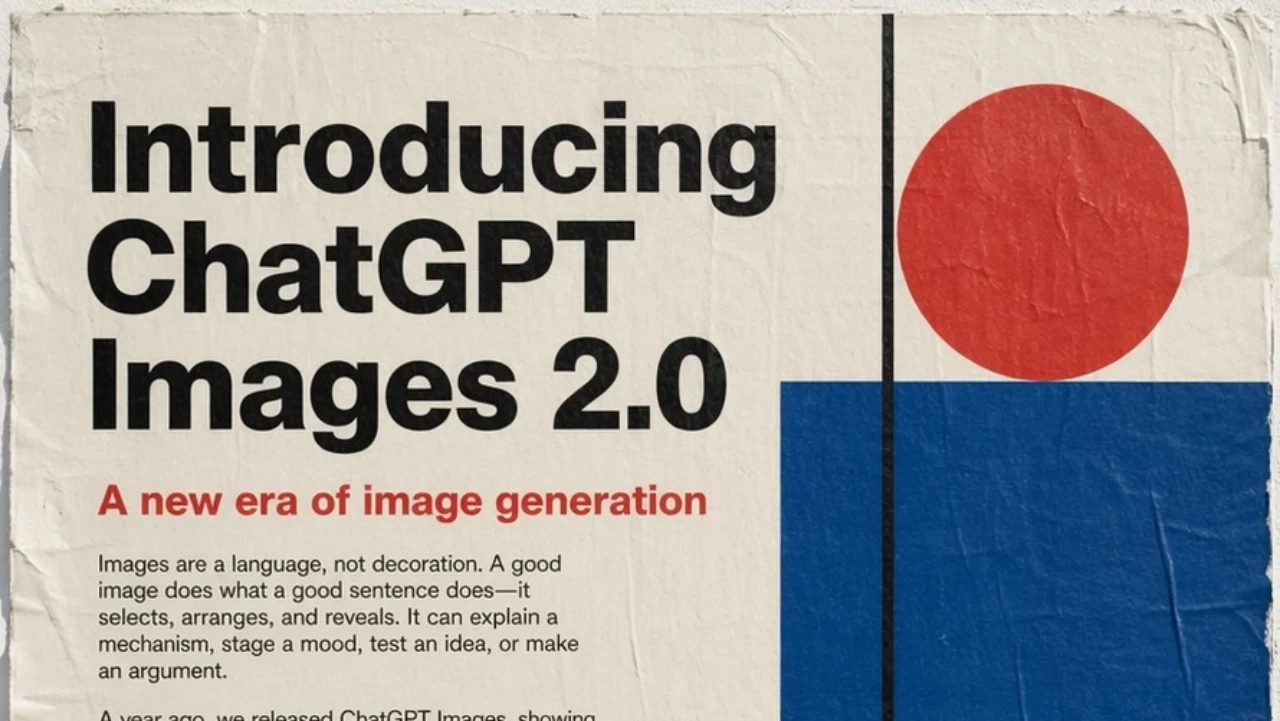

AI has rapidly changed our lives in the past few years, and that has evolved with the introduction of ChatGPT Images 2.0, which is the next big upgrade for the image-generation engine that is powering the program. This new model has promised better and more realistic visuals, along with the ability to create complex visual content like comic-styled images as well as realistic photographs. Announced in April, this release will represent the shift in how AI will be able to generate images. Instead of simply producing stylized pictures from prompts, this system will now focus on visuals that follow the instructions as well.
Improved AI-Generated Visuals
The most important highlight of ChatGPT Images 2.0 is the ability to make images that will look more professional in nature. The previous AI-image generators would often be unable to make small details correctly, especially with images that contain text. OpenAI claims that the new model has improved upon this capability by accurately rendering the word as well as icons, which will make them far more viable for designing. This system will now be able to generate menus, presentation slides, and newspaper layouts, which the previous model was unable to. This will elevate the professional usage of the image generator.
Planning Visuals
ChatGPT Images 2.0 also introduces a reasoning-based generation process, which will analyze prompts and plan visual layout before actually producing the image, unlike the instant generation it did before. This will help the model handle more complex scenes as well as generate more detailed diagrams,s which the AI will also attempt to arrange logically within the image. This new system will also be able to generate multiple images from a single prompt, which will enable users to produce comic-styled panels as well in one request.
Multilingual Capability Improvement
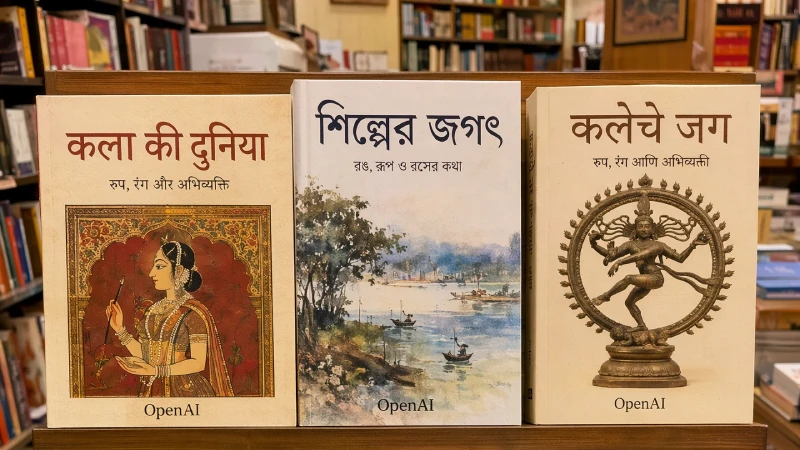
ChatGPT Images 2.0 will also introduce stronger multilingual capabilities, which can generate as well as display text in several languages,s including English, Hindi, Chinese, Japanese, Korean, and Bengali, with highly accurate and readable sentences as well. The system will now also support high-resolution image generation withup too 2K resolution and various aspect ratios, os which will be suitable for posters, social media images, as well as cinematic visuals. These improvements will surely help the visuals appear more realistic as well as of better quality than those of the previous generations.
Shift to Professional Design
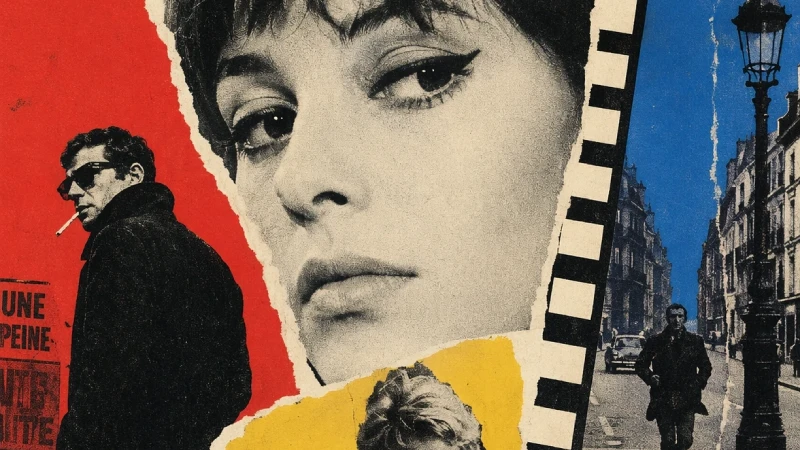
OpenAI believes that this new model will expand the usage of generative AI by people. We can see how the earlier image generators were often used for generating memes as well as very experimental artwork, and ChatGPT Images 2.0 wants to counteract that and help in real-world designing tasks like advertisements, as well as presentations. The company showcases various examples like magazine covers, RS marketing posters, and complex diagrams to highlight the versatility of the new model. OpenAI aims for a more mainstream usage of the program in this way.
Competition in the Image Race
This launch came amidst the intense generative-AI space competition that is taking place, and tech companies are fighting to build a more capable visual program as the world of AI-generated media is continuing to grow. This integration of Images 2.0 into ChatGPT and the other developer APIs is a move by OpenAI to ensure that normal as well as professional users are attracted and pursue the new model more thoroughly.
Conclusion
The release of ChatGPT Images 2.0 is a change in the broad trend of artificial intelligence, which will further evolve the already broad level of capabilities that AI can have. The improved and more polished version of Images will ensure that AI is seen as a more capable generator for professional work, other than generating memes and artwork. OpenAI’s latest update will allow the model to generate complex requests more easily, and the company hopes that it wins the race of the generative-AI competition.

Comments are closed.