
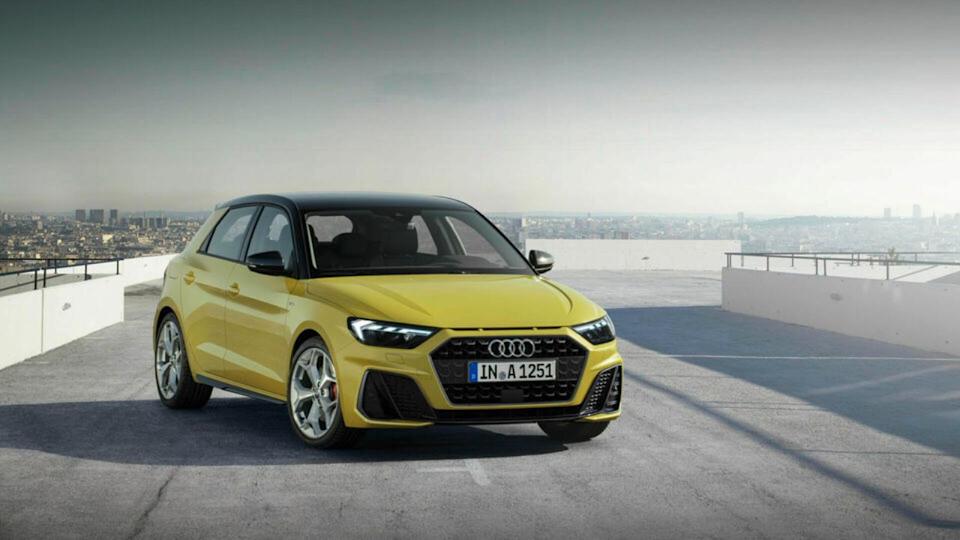

Audi has officially brought production of the A1 supermini and Q2 crossover to a close, marking the end of an era for two of its most accessible and popular compact models. After more than a decade on sale, the move signals a clear shift in strategy as the German automaker turns its attention toward electric mobility and higher-margin premium vehicles.
The decision closes the chapter on two cars that helped bring younger and urban buyers into the Audi fold.
Strong Sales Legacy for Both Models
Since its global debut in 2010, the Audi A1 has carved out a solid reputation as a stylish premium supermini. Over its production life, Audi delivered an impressive 1,389,658 units worldwide.
The Audi Q2, launched in 2016, quickly found favour with buyers looking for a compact SUV with city-friendly proportions and premium appeal. By the end of production, 887,231 units had rolled off the line.
Audi confirmed that Germany, the United Kingdom, and Italy were among the strongest markets for both vehicles, highlighting their popularity across Europe.
No Direct Successors Planned
Unlike many discontinued models that return in updated form, neither the A1 nor the Q2 will receive a like-for-like replacement.
Audi is moving away from smaller, lower-priced combustion vehicles and focusing on the core premium segments where profit margins are stronger. That means future entry-level Audi buyers will step into electric models rather than traditional petrol hatchbacks or compact crossovers.
This reflects a broader trend across the auto industry, where brands are simplifying line-ups and investing heavily in EV platforms.
A2 E-tron to Become New Entry Point
Taking over as Audi’s most affordable model will be the upcoming A2 E-tron, an all-electric compact car expected to be priced below £30,000.
The new EV is set to share foundations with the Volkswagen ID.3giving Audi a modern electric base while preserving its premium identity. The A2 E-tron is expected to become the brand’s gateway product for younger buyers entering the EV market.
With the A1 and Q2 gone, Audi’s smallest combustion-powered offerings now become the Audi A3 and Audi Q3.
Factory Changes Already Underway
Ending the A1 also frees up capacity at Audi’s Martorell plant in Spain. That factory will now help support the Volkswagen Group’s upcoming small EV push, including models such as the Raval copper, Skoda Epiq, Volkswagen ID Poloand Volkswagen ID Cross.
Meanwhile, production space in Ingolstadt, Germany, previously used for the Q2, will be prepared for the new A2 E-tron.
New Sports Car Coming Next Year
Audi also confirmed that a new flagship sports car will enter production next year. Inspired by the iconic Audi TT and based on the minimalist Concept C, the model will be built by Audi Sport at Böllinger Höfe.
That same site currently produces the Audi E-tron GTwhich is expected to be phased out later to make room for the new halo model.
What This Really Means
Audi is drawing a line under its small-car era and betting big on electric mobility, stronger margins, and emotional flagship products. For buyers who loved the A1 and Q2, it’s the end of familiar favourites. For Audi, it’s the start of a sharper, more focused future.

Comments are closed.