
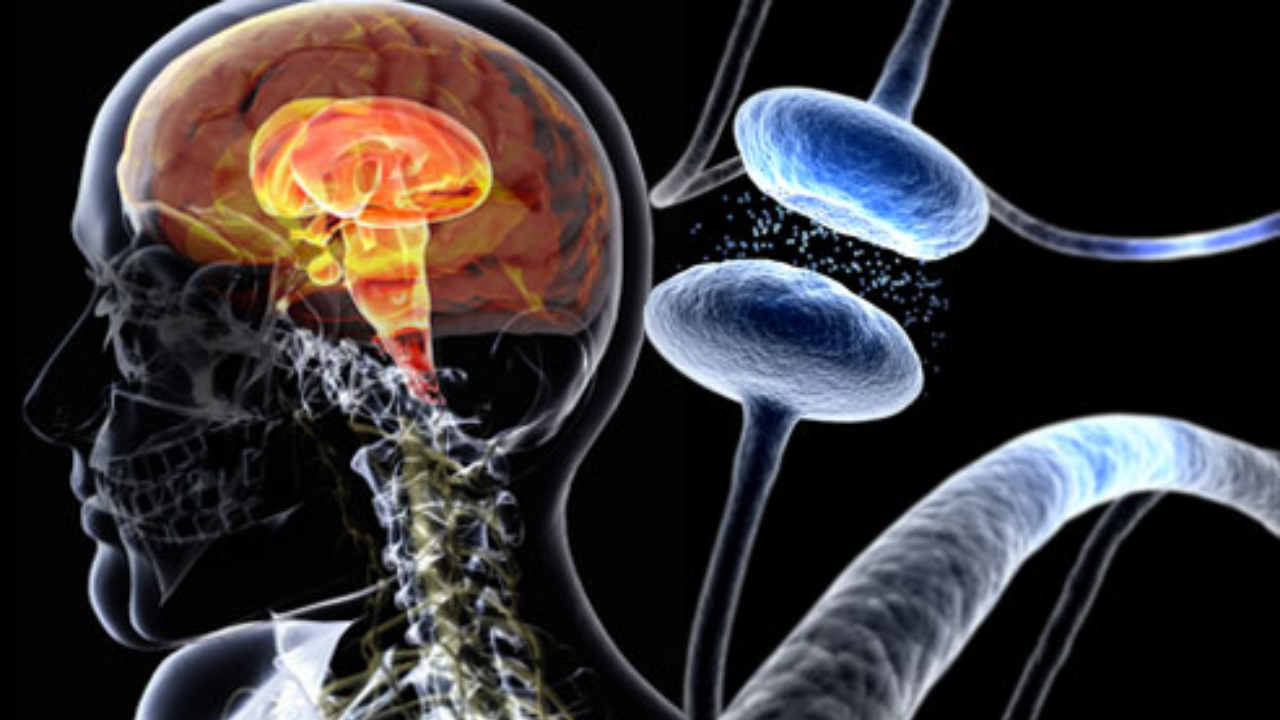
Good news for those battling Parkinson’s disease! The new ‘Smart’ aDBS system makes movement control easy

- What exactly is Parkinson’s disease?
- Design to drive real-time change
- Significant increase in the number of Parkinson’s disease patients in India
Parkinson’s Treatment: Medtronic, a global leader in healthcare technology, today announced the launch of the Adaptive Deep Brain Stimulation (ADBS) system in India. It is an innovative improvement in the contemporary DBS system, where the aim is to further improve the quality of life of patients suffering from Parkinson’s disease.
Risk of lung cancer for non-smokers? Long-term exposure to pesticides can be fatal; What exactly is research?
What exactly is Parkinson’s disease?
Parkinson’s is a progressive neurological disease that can affect a person’s movement and daily functioning. Over time this can make it more difficult to perform normal activities such as walking, writing or grasping everyday objects. While challenges related to movement are the most obvious, the disease can also affect other aspects of daily life such as communication, sleep and overall health. Today, various treatments are available to manage the symptoms of this disease. These treatment regimens are modified over time based on the patient’s individual needs and medical evaluation by specialists.
Design to make real-time changes as needed
Treatment options such as deep brain stimulation are currently available, which require manual adjustments of stimulation levels throughout the day. This is usually done by the patient or their caregivers. Medtronic’s ADBS technology is designed to adapt in real-time to a patient’s condition or medication needs, allowing for more consistent management of symptoms. BrainSense in this ADBS system The technology used is approved by the US Food and Drug Administration.
Adaptive deep brain stimulation is designed to automatically alter treatment according to changes in brain signals or patient movements. The system aims to achieve more consistent control of symptoms by responding in real-time, reduce side effects and extend the battery life of implanted devices.
Significant increase in the number of Parkinson’s disease patients in India
The introduction of the ‘aDBS’ system comes at a crucial time when the number of Parkinson’s disease patients in India is expected to increase significantly and is projected to reach the second highest globally in the next five years. Although there is currently no cure for Parkinson’s disease, ‘Deep Brain Stimulation’ (DBS) has been revolutionizing the lives of patients suffering from Parkinson’s and other neurological disorders for over three decades.
In DBS, a small pacemaker-like device is implanted under the skin of the chest, which sends electronic signals to the part of the brain that controls movement. These signal messages are inhibited to relax the patient, causing the movement-related symptoms of Parkinson’s.
To improve the quality of life of patients in India
Speaking on the occasion, Prateek Tiwari, Senior Director, Neuroscience & Specialty Therapies, Medtronic India said, “Parkinson’s disease is becoming a growing health problem in India, which is why we are extremely proud to launch this advanced technology here. Our mission has always been to reduce pain, maintain good health and extend life, and the presentation of this system reflects our commitment to that mission. This milestone will reduce the growing burden of Parkinson’s disease. reaffirms our commitment to, and also reinforces our leadership in bringing cutting-edge healthcare technology to improve the lives of patients in India.” As the burden of diseases like Parkinson’s continues to grow, it will be imperative to continue investing in cutting-edge technology to increase access to better treatments, assist medical professionals with deeper insights, and ultimately improve the quality of life for patients across the country.
Patients considering deep brain stimulation (DBS) should initially consult with a movement disorder specialist, usually a neurologist. These experts evaluate whether the patient will benefit from this therapy. The DBS process is based on a coordinated and team approach, with patients often referred to a comprehensive DBS clinic or neurosurgery board for further evaluation. If the patient is deemed suitable for this treatment, a functional neurosurgeon specially trained to perform this surgery works with the care team to implant and program the device.

Comments are closed.