
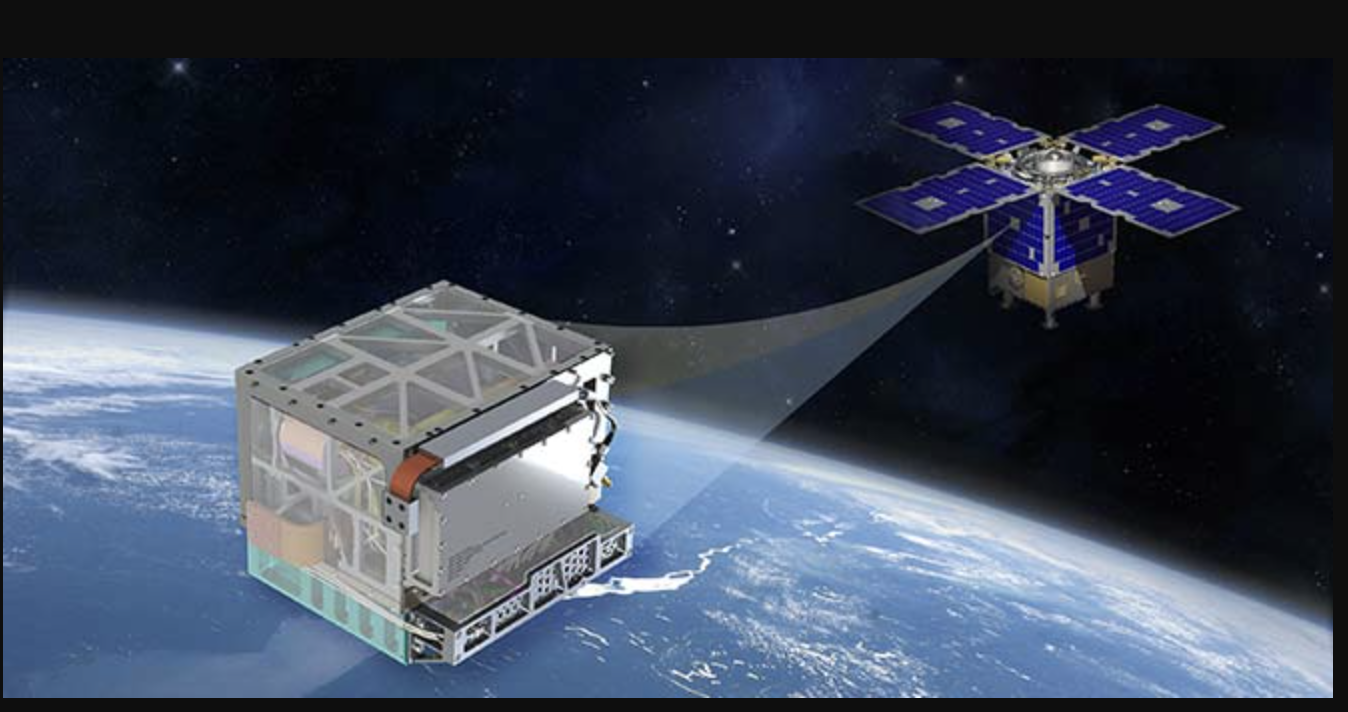

India’s indigenous navigation system, Navigation with Indian Constellation (NavIC)is facing a serious operational crisis after the number of fully functional satellites dropped sharply—raising concerns over its reliability and strategic importance.
Only 3 Functional Satellites Remain
The system, designed to operate with 7 satellitesis now running with just 3 fully functional oneswell below the required threshold.
For accurate positioning, navigation, and timing (PNT) services, at least 4 satellites are essentialmeaning the system is currently critically impaired.
This drop significantly limits NavIC’s ability to provide precise navigation services across India and nearby regions.
Ex-IAF Chief Calls It a “Failure”
Adding to the concern, a former Indian Air Force chief has reportedly termed the current state of NavIC a “failure”pointing to its inability to meet operational requirements.
This is a strong statement, especially considering NavIC was developed as a strategic alternative to GPSaimed at ensuring India’s independence in navigation systems during conflicts or emergencies.
What Went Wrong?
The primary reason behind this crisis lies in technical failures and delaysincluding:
- Failure of atomic clocks onboard satellites
- Satellites reaching end-of-life
- Delays in launching replacement satellites
- Some satellites failing to reach intended orbit
These issues have gradually reduced the number of operational satellites, weakening the entire system.
Why NavIC Matters for India
NavIC is not just a civilian navigation tool—it has critical defence and strategic applicationsincluding:
- Military navigation and targeting
- Missile guidance systems
- Disaster management and tracking
- Secure, encrypted positioning services
With the system now below operational capacity, India may need to rely more on foreign systems like GPS, which can be restricted during conflicts—a key reason NavIC was originally developed.
Strategic and Defence Implications
The current situation is being seen as a major setback for India’s armed forcesespecially in an era where space-based navigation plays a crucial role in modern warfare.
Experts warn that without urgent intervention—such as launching new satellites and fixing technical issues—India’s goal of achieving navigation independence could face delays.
The Road Ahead
ISRO is expected to fast-track replacement satellites and improve indigenous technologies, particularly atomic clock systemsto restore NavIC’s full capability.
The coming months will be critical in determining whether India can revive and strengthen its homegrown GPS alternative.

Comments are closed.