
Reliance Industries: Reliance dominates the corporate world of the country by breaking old records! The first company in the country decided for ‘Ya’

- A historic milestone by Reliance Industries Limited
- First company to cross $10 billion mark
- The war worsened the situation
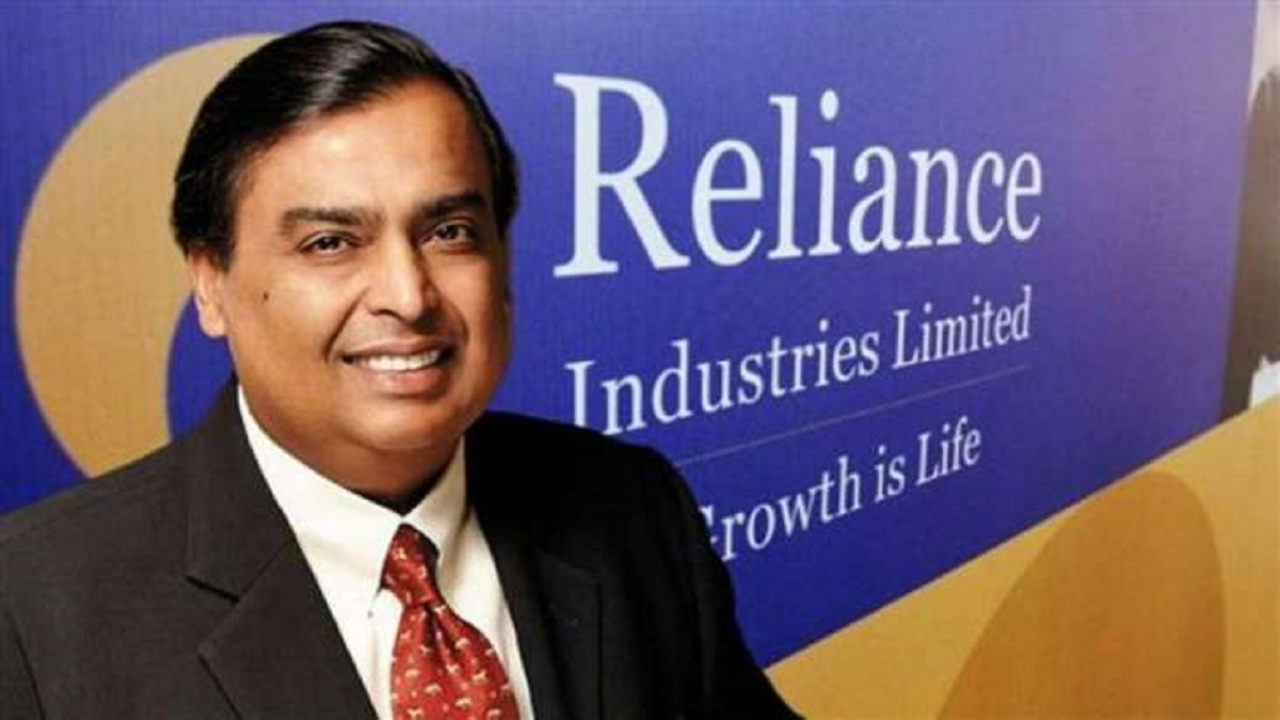
Reliance Industries Become first Indian Firm : Mukesh Ambani’s company, Reliance Industries Limited has reached a historic milestone. In the financial year 2026, Reliance has made a profit of 195610 crores and Reliance is the first Indian company to cross the mark of 10 billion dollars in annual profit. No one can match Reliance in this regard. Reliance has a market capitalization of ₹18 lakh crore.
Noida International Airport: Who is Nitu Samra? Noida International Airport now in the hands of an influential person?
Who is closest in the competition?
Reliance’s closest rivals, HDFC Bank and SBI, have a long way to go to reach that milestone. HDFC Bank, the second most valuable company by market capitalization, reported a consolidated net profit of $8.07 billion in fiscal 2026, a year-on-year growth of 7.4% compared to $7.51 billion in the previous fiscal. Although SBI is yet to announce its January-March quarter results, its nine-month profit stood at Rs 63,656 crore.
Announcement of quarterly results
Reliance Industries Limited announced a 12.5 percent decline in profit to Rs 16,971 crore in the fourth quarter of FY2025-26. The company’s profit for the fourth quarter (January-March) of the financial year 2024-25 was Rs 19,407 crore. This profit was also lower than the profit of Rs 18,645 crore reported in the October-December 2025 quarter.
The war worsened the situation
The oil-to-chemicals (O2C) business, which contributes significantly to the revenue of Reliance, the country’s most valuable company, was affected by the West Asian war. The war led to a sharp increase in the price of crude oil, which increased freight, insurance and fuel costs. Profits were further pressured by the government’s reimposition of taxes on fuel exports. Additionally, to meet domestic energy needs, the company had to shift raw materials from petrochemical production to cooking gas (LPG) production.
A major reason for the impact on profitability
One of the major reasons for the impact on Reliance’s profits is the cap on margins on petrol and diesel purchases. In reality, state-owned oil companies had limited the profit margin on petrol and diesel purchases to compensate for the losses caused by keeping retail fuel prices fixed. To maintain its competitiveness, Reliance has not increased petrol and diesel prices despite rising crude oil prices, further pressuring profits. A slowdown in the oil-to-chemicals business dampened the impact of double-digit revenue growth in the telecom and retail sectors. Profits in the telecom business increased on growth in subscriber base and revenue per user, while order bookings remained strong in the hyper-local retail segment.

Comments are closed.