
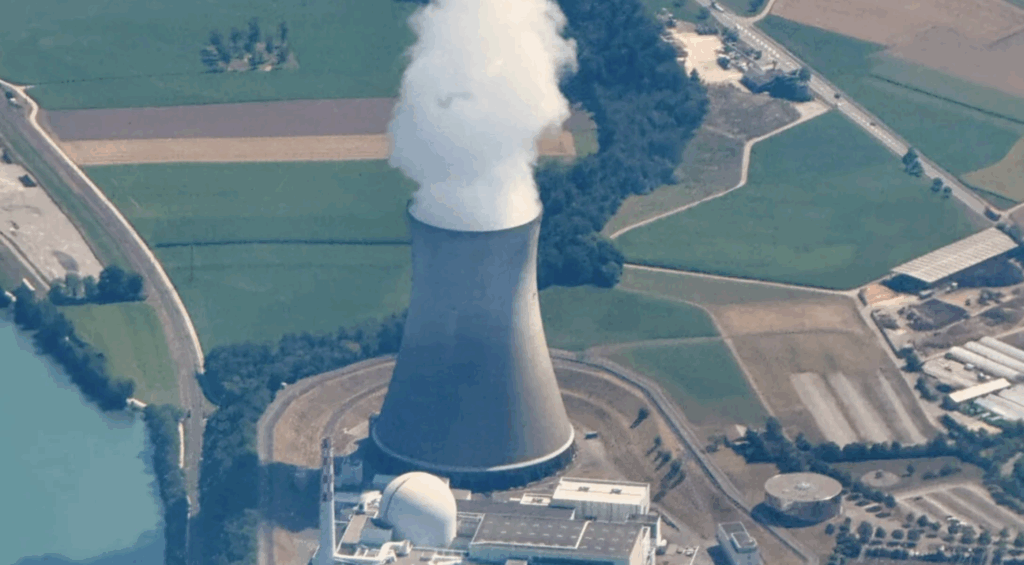

In a landmark development for India’s energy sector, the Tata Group is set to establish the country’s first privately-owned nuclear power plant in Rewa, Madhya Pradesh—signaling a major shift in India’s nuclear energy policy.
A Historic First for India’s Nuclear Sector
India’s nuclear power industry has traditionally been controlled by the government, primarily through entities like Nuclear Power Corporation of India Limited.
However, this project marks a policy breakthroughallowing private sector participation in nuclear power generation—something that has been restricted for decades due to regulatory and safety concerns.
The upcoming plant in Rewa is expected to open doors for more private investments in the nuclear space.
Tata’s Big Energy Bet
The project will reportedly be led by Tata Power, one of India’s largest integrated power companies.
This move aligns with Tata’s broader strategy of expanding its clean energy portfolio, which already includes solar, wind, and hydro power. Nuclear energy, being a low-carbon and reliable base-load sourcecomplements India’s long-term sustainability goals.
Why Nuclear Energy Matters Now
With rising energy demand and climate commitments, nuclear power is gaining renewed attention.
Key advantages include:
- Low carbon emissions compared to fossil fuels
- Stable power supply unlike solar and wind
- Reduced dependence on coal-based electricity
India is aiming to significantly expand its nuclear capacity as part of its clean energy roadmap.
Policy Shift & Government Push
The development reflects a broader policy shift by the Indian government to encourage private participation in nuclear energy under strict regulatory frameworks.
While operational control and safety oversight will remain tightly regulated, private players may now contribute to:
- Investment and infrastructure development
- Technology partnerships
- Faster project execution
This hybrid approach could accelerate nuclear expansion in India.
Local & Economic Impact
The project in Rewa is expected to bring:
- Large-scale employment opportunities
- Infrastructure development in the region
- Boost to local economy and ancillary industries
Rewa has already gained recognition for its solar projects, and this nuclear plant could further position it as a major energy hub.
Challenges Ahead
Despite the opportunity, nuclear projects come with complexities:
- High capital costs
- Long construction timelines
- Strict safety and environmental regulations
- Public perception and land acquisition concerns
Execution will be key to the project’s success.
A Turning Point for India’s Energy Future
If implemented successfully, this project could redefine India’s nuclear energy landscape—transitioning it from a purely public sector domain to a public-private collaboration model.

Comments are closed.