
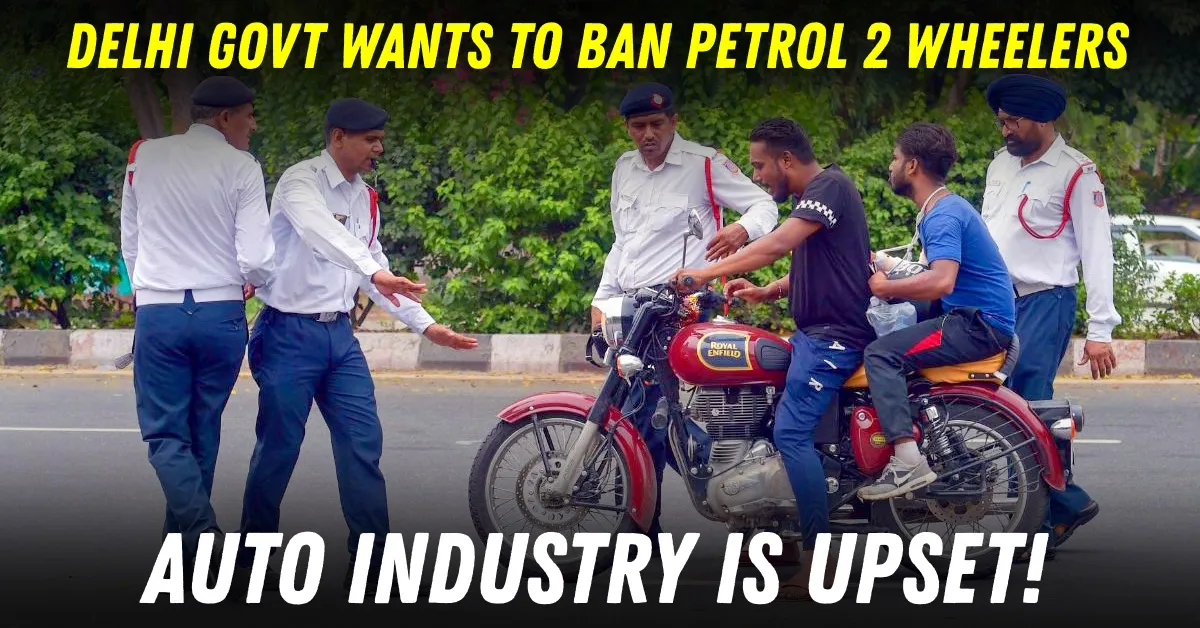

Delhi’s draft EV Policy 2026-2030 has landed on the auto industry’s desk and the pushback has been immediate. The sharpest objection is not to incentives, tax waivers or charging targets. It is to the hard deadlines. The draft proposes banning new ICE three-wheeler registrations from January 1, 2027 and new ICE two-wheeler registrations from April 1, 2028. SIAM (Society Of Indian Automobile Manufacturers) has responded by saying mandates and bans are not the right way to grow electric vehicle adoption, and that better enablers should come first.
That reaction is easy to understand. Delhi is trying to move from nudging the market to reshaping it. The earlier EV policy leaned heavily on subsidies and policy support. This one adds deadlines that directly affect what companies can still sell.
For automakers, that is a much bigger problem than a simple incentive change because it can force product plans, factory planning and inventory strategy to move faster than the market may be ready for.
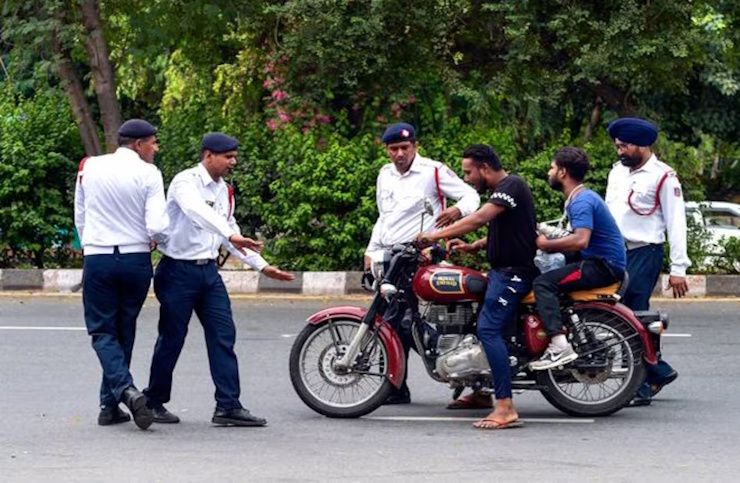
The two-wheeler clause is the most sensitive piece of the whole draft. That is because two-wheelers are the real volume engine of personal mobility in Delhi. They also dominate the city’s vehicle base.
Delhi government data cited in recent coverage says two-wheelers account for roughly 67 percent of registered vehicles in the city. So if the policy wants a visible emissions impact, it has to go after this segment. But that is also the segment where affordability matters most.
This is where automakers see the biggest gap between policy ambition and product reality. The draft offers incentives of up to Rs 30,000 for electric two-wheelers in the first year, then lower support in later years. The bottom half of the petrol two-wheeler market still depends on low entry price, simple ownership and easy refuelling. EV scooters have moved forward, but the electric commuter motorcycle market is still much thinner than the petrol one.
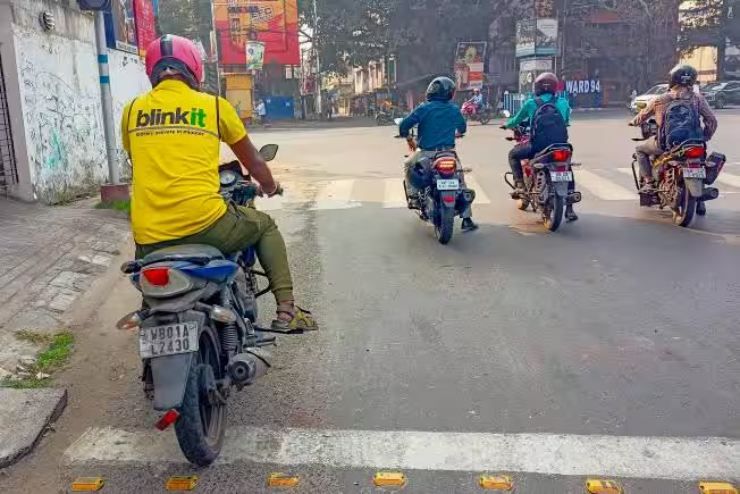
The concern is not theoretical. A recent CAQM revision allowed aggregators and delivery platforms in Delhi-NCR to keep adding BS-VI petrol two-wheelers till the end of 2026 because actual EV induction in that part of the market was still only about 9 percent. If commercial fleet users, who run high daily usage and should benefit most from low running costs, are still struggling to shift quickly, then the private commuter market will not be easy either.
CRISIL’s estimate shows why manufacturers are taking the draft seriously. It says Delhi’s proposal could add nearly 6 lakh electric two-wheelers to national sales by FY2029 and lift EV share in that segment to 21-23 percent, versus 18-20 percent without the policy. That is a meaningful volume swing. For some brands, it could change capital allocation and product priorities well beyond Delhi.
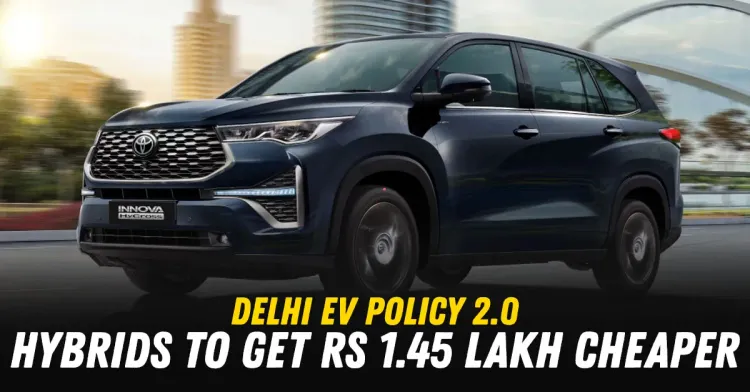
The draft is softer on passenger cars, but not soft enough to keep everyone happy. Electric cars priced up to Rs 30 lakh get a full waiver on road tax and registration fees. Strong hybrids under the same threshold get only 50 percent relief on those charges and do not get the same purchase-linked support that EVs enjoy. That leaves hybrid-heavy players with a policy structure that acknowledges them, but still keeps them clearly below pure EVs in the incentive ladder.
That matters because brands with strong-hybrid portfolios have spent the past few years arguing that hybrids are a practical bridge technology. Delhi’s draft does not reject that idea outright, but it does not reward it strongly either. In effect, the policy is saying hybrids may help, but they are not the end goal.
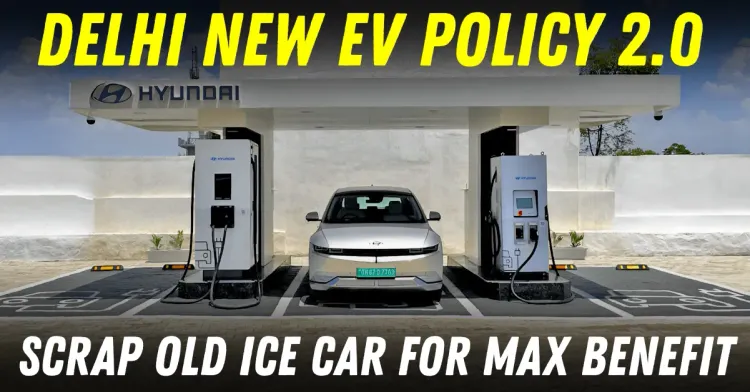
There is also a market reality behind the government’s confidence. Delhi’s EV registrations rose 29 percent in FY2025-26, even though petrol vehicles still dominated the overall mix. The city has also been adding charging points at a much faster pace, with BSES facilitating about 1,600 new charging points and battery-swapping stations last fiscal year and Tata Power-DDL adding 1,641. That does not solve the problem, but it gives the government a basis to argue that infrastructure is no longer standing still.
This is the core conflict. Automakers want the state to keep building incentives, charger density and lower-cost product conditions before shutting doors on ICE sales. Delhi wants to use those same deadlines to force the market to move. Both sides have a case.
The government can point to air quality, rising EV registrations and a growing charging network. The industry can point to product gaps, affordability pressure and the still-limited pace of real transition in some key segments.
That is why the 30-day consultation window matters. The draft may still change. The hardest deadlines could be softened, phased differently or paired with wider exemptions. The industry remains hopeful but the final decision will rest with the Delhi government.
Comments are closed.