

Learn what foods to include in a psoriasis-friendly diet.
Reviewed by Dietitian Casey Wing, RD, CD
Key Points
- A Mediterranean-style diet may help reduce psoriasis-related inflammation and improve symptoms.
- Foods rich in fiber, antioxidants and omega-3s, like fruits, whole grains and fatty fish, are beneficial.
- Limiting processed foods, alcohol and stress can help manage psoriasis flare-ups and inflammation.
Psoriasis is a chronic autoimmune condition that affects around 3% of adults in the United States. It causes red, scaly and inflamed patches on the elbows, knees, scalp and other parts of the skin. These develop because the immune system overreacts to common triggers and produces too many skin cells.
It’s unclear exactly what causes the overactive immune response in psoriasis, but researchers know a combination of genetics and environmental factors are involved. Often, people have a family history of the disease, but factors like infections, medication reactions and stress also play a role. While your eating choices can’t cure psoriasis and there’s no specific diet to follow when you have the condition, some foods like fruits, vegetables, olive oil, nuts, fish, whole grains and beans may help with managing inflammation, research shows. In turn, psoriasis symptoms may be less severe.
Curious which specific foods can help with psoriasis and how? Here’s what nutrition experts recommend.
Fruits & Vegetables
Fruits and vegetables are rich in nutrients including polyphenols, carotenoids and vitamin C that act as antioxidants and may help reduce psoriasis-related inflammation.
“They’re also an excellent source of fiber, which is associated with lower inflammation levels,” says Jennie Miremadi, M.S., CNS, LDN. She recommends pairing berries—which provide antioxidants and fiber—with walnuts for an easy snack.
Some other great antioxidant and fiber-rich fruits and vegetables include dark leafy greens, purple sweet potatoes, carrots and tropical fruits like passion fruit and kumquats, says Amy Davis, RD, LDN.
Olive Oil
Across a number of studies, researchers have found that following a Mediterranean-style diet—which includes olive oil and other foods like fruits, vegetables, whole grains, fish and beans—can be helpful for people with psoriasis.
Containing healthy monounsaturated fats and polyphenols, “diet patterns rich in olive oil, like the Mediterranean diet, are associated with lower inflammation overall and may help improve psoriasis symptoms by targeting underlying inflammatory pathways,” says Ilana Schachter, RDN.
Curious how to incorporate more olive oil into your diet? Davis recommends using olive oil as your primary cooking oil and as the base for your salad dressings. She also suggests making a kale salad with purple sweet potatoes, hazelnuts and an olive oil vinaigrette.
In the warmer months, “a watermelon salad with feta, olive oil and fresh herbs can be a refreshing, anti-inflammatory side,” Schachter says.
Whole Grains
Whole grains are a good source of dietary fiber, which has been associated with lower levels of inflammation in the body. Whole grains like oats and barley contain fermentable fibers that gut bacteria break down in the colon to produce short-chain fatty acids. These compounds help reduce inflammation and modulate immune responses, Schachter explains.
While no single food is a standalone treatment for psoriasis, replacing refined grains with whole grains is a dietary pattern that’s consistently associated with lower markers of systemic inflammation.
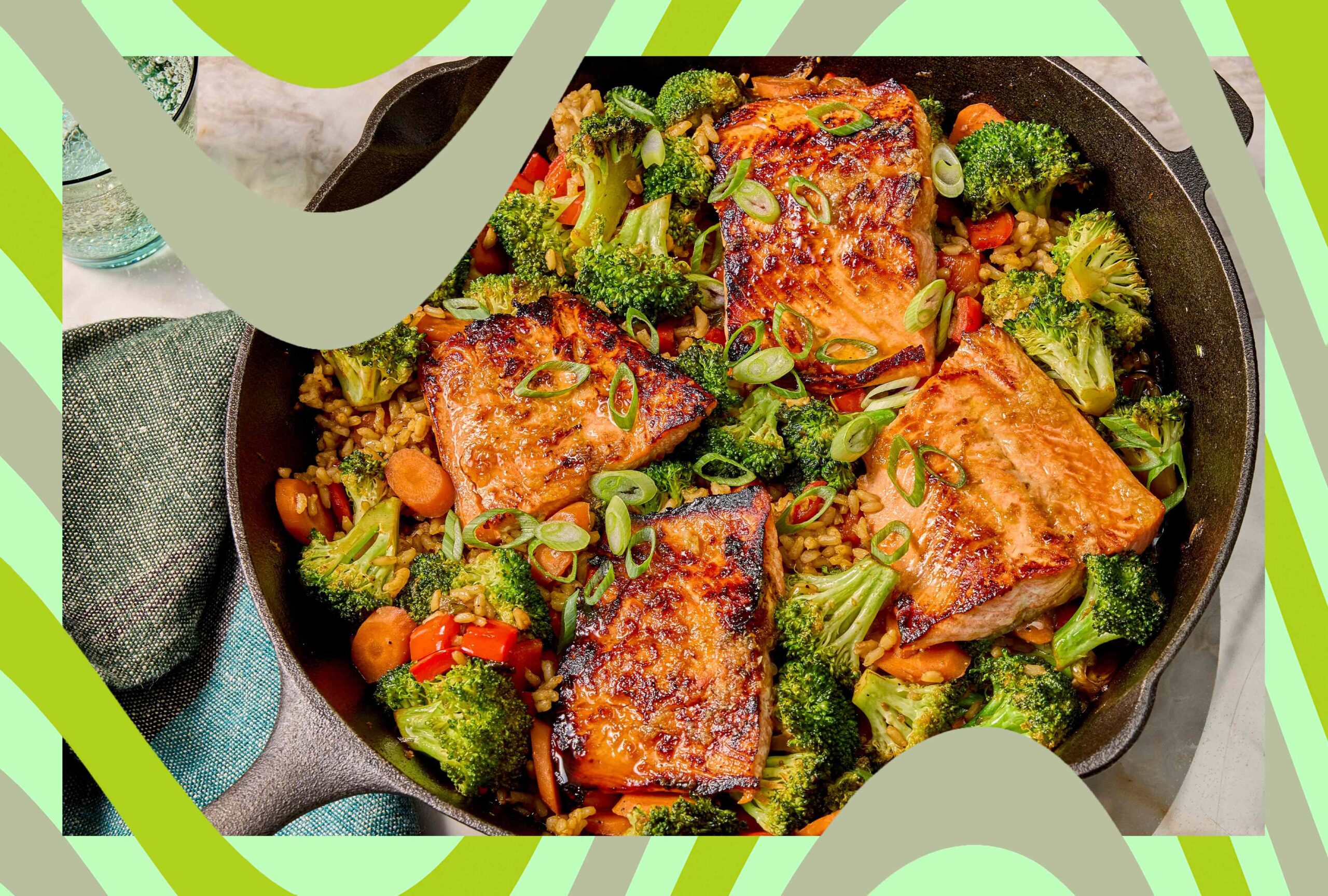
“Swap white refined grains with whole grains like rolled oats, quinoa, brown rice and whole-grain bread,” Davis says. Other ideas include overnight oats, a bulgur pilaf side dish or quinoa stuffed peppers. For an anti-inflammatory meal that includes whole grains and many other psoriasis-friendly foods, Miremadi recommends combining leafy greens, roasted salmon, farro or quinoa, and then tossing it with lots of extra virgin olive oil and fresh lemon juice.
Fatty Fish
Fatty fish like salmon, sardines and mackerel are rich in the omega-3 fatty acids DHA (docosahexaenoic acid) and EPA (eicosapentaenoic acid), which research suggests can help reduce systemic inflammation. The body can’t produce omega-3s naturally, so it’s important to get them from the food you eat.
“In a disease like psoriasis, which is characterized by chronic inflammation and immune activation, fatty fish may be supportive for managing inflammation and symptoms,” Miremadi says.
Looking for ways to eat more fatty fish? Consider sardines on whole-grain crackers, a high-protein canned salmon salad or even grilled mackerel. Additionally, “options like salmon burgers or Moroccan-style fish provide omega-3s while still feeling satisfying and flavorful,” Schachter says.
Other Tips for Managing Psoriasis
- Minimize your intake of processed foods. Consuming ultra-processed foods, like packaged sweet or savory snacks, processed meats and soft drinks, is linked with a higher risk for psoriasis. A diet high in ultra-processed foods has also been linked with increased inflammation and may worsen or trigger psoriasis flare-ups.
- Limit your alcohol intake. Alcohol is known to trigger or worsen psoriasis flare-ups.
- Steer clear of smoking. Smoking has been linked with more severe psoriasis and can also increase the risk of developing psoriasis.
- Find ways to minimize stress. Stress can trigger psoriasis flare-ups. Habits like journaling, meditation and gentle movement can all help with managing stress.
Our Expert Take
There’s no standard diet that people with psoriasis need to follow. And no single food can treat or cure the condition. But research suggests that eating specific foods like fruits, vegetables, olive oil, whole grains and fatty fish can help reduce inflammation. This may help support a balanced immune response, which can be beneficial for individuals with psoriasis. Keep in mind that dietary changes work best as a complement to medical treatment, not a replacement for it. And of course, it’s always a good idea to speak with a physician or registered dietitian before making any major changes to your diet.

Comments are closed.