
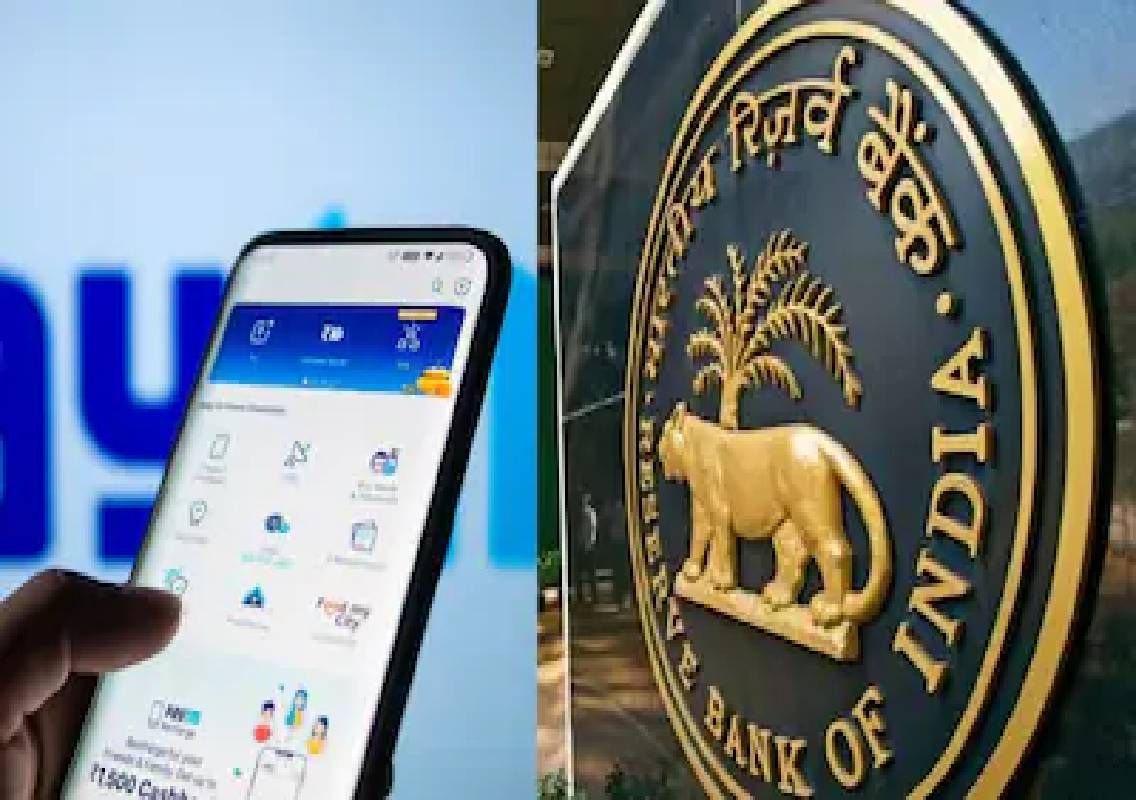

Mumbai: Shares of One97 Communications, the parent company of Paytm, declined by over 7 per cent on Monday after the Reserve Bank of India (RBI) cancelled the banking licence of Paytm Payments Bank Ltd (PPBL). The regulatory action, which came into effect from the close of business on April 24, 2026, triggered a sharp negative reaction in the stock market.
The company’s shares opened at ₹1,084 compared to the previous closing price of ₹1,147, reflecting investor concerns following the development. The decline comes amid heightened scrutiny over compliance and governance standards in the financial services sector.
RBI cites serious governance concerns
In its statement, the RBI highlighted multiple issues related to the functioning of Paytm Payments Bank. The central bank said the affairs of the bank were being conducted in a manner detrimental to the interests of both the institution and its depositors.
The regulator also raised concerns about the character and management of the bank, stating that its operations were prejudicial to public interest. It noted that the bank had failed to comply with the conditions attached to its payments bank licence.
Further, the RBI said that allowing the bank to continue operations would not serve any useful purpose, reinforcing its decision to revoke the licence under the provisions of the Banking Regulation Act.
Banking operations to cease
With the cancellation of its licence, Paytm Payments Bank can no longer carry out any banking activities in India. This includes accepting deposits or offering other banking services to customers.
The RBI has also indicated that it will approach the High Court to initiate the process of winding up the bank, signalling a complete shutdown of its operations as a banking entity.
Impact on Paytm and its response
Following the development, Paytm clarified that the regulatory action against its associate entity would not have any financial or operational impact on the listed company. In an exchange filing, the company stated that all Paytm services remain fully operational despite the cancellation of the bank’s licence.
The fintech firm emphasised that its core business segments, including digital payments and financial services, continue to function without disruption. The clarification was aimed at reassuring investors and users amid concerns about the broader implications of the RBI’s decision.
Market reaction and investor sentiment
Despite the company’s assurances, the stock market reacted sharply, with investors showing caution over the regulatory setback. Analysts believe that while Paytm’s non-banking operations may remain unaffected in the short term, the development could have reputational and strategic implications.
The payments bank had been a key part of Paytm’s ecosystem, supporting services such as wallet operations and digital transactions. The loss of its banking licence may require the company to recalibrate certain aspects of its business model.
Regulatory scrutiny in fintech sector
The RBI’s action underscores the increasing regulatory focus on governance, compliance, and depositor protection within India’s fintech and banking ecosystem. Payments banks, in particular, operate under strict guidelines, given their role in handling customer deposits and facilitating financial inclusion.
Experts note that regulatory interventions of this nature are intended to safeguard public interest and maintain trust in the financial system.
Conclusion
The cancellation of Paytm Payments Bank’s licence marks a significant regulatory development with immediate market impact. While Paytm has assured that its services remain unaffected, the sharp fall in its share price reflects investor concerns over governance and future strategy. The coming months will be crucial in determining how the company adapts to this setback and restores confidence among stakeholders.

Comments are closed.