
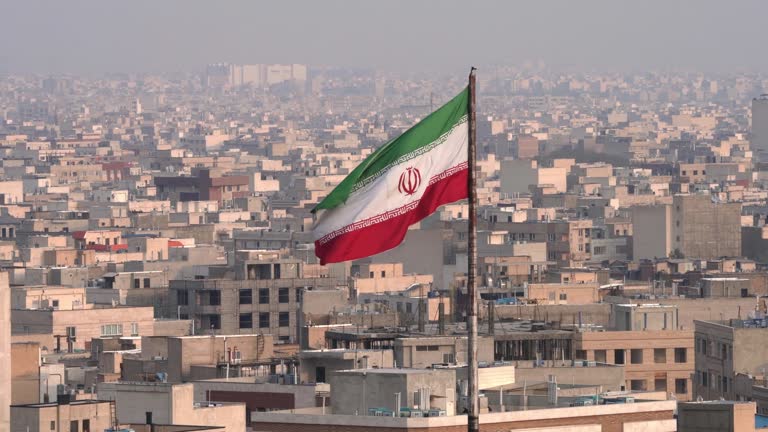

Tensions in the Middle East remain elevated after Iran proposed reopening the strategically vital Strait of Hormuz without addressing its nuclear program—an offer that is unlikely to satisfy the United States.
Iran’s Proposal and Key Conditions
According to regional officials familiar with the negotiations, Iran has signaled its willingness to ease its control over the Strait of Hormuz, a critical global oil transit route. However, the proposal notably excludes any commitment to limit or dismantle its nuclear program.
In exchange, Tehran is demanding that the United States lift its blockade on Iranian ports. The proposal was reportedly conveyed to Washington through Pakistanwhich is playing a mediating role in the ongoing diplomatic efforts.
US Response and Strategic Position
The proposal is expected to face resistance from Donald Trumpwho has consistently maintained that any long-term agreement must include restrictions on Iran’s nuclear ambitions.
Trump recently reiterated his position, stating that the United States holds leverage in the negotiations and expects Iran to come forward under its terms. The US has already enforced a maritime blockade, with United States Central Command confirming that dozens of vessels have been turned away from the region.
Diplomatic Movements and Mediation Efforts
Iran’s Foreign Minister Abbas Araghchi is actively engaging in diplomatic outreach, including meetings with Vladimir Putin in Russia. His trip also includes visits to Pakistan and Omanwhich shares control of the Strait of Hormuz and plays a key regional role.
Pakistan-led mediation efforts are ongoing, with officials attempting to bridge gaps between the two sides. However, talks have stalled after the US canceled a planned diplomatic visit to Islamabad, citing Iran’s precondition to lift the blockade.
Impact on Oil Markets and Global Trade
The ongoing standoff has already affected global markets, with oil prices rising amid uncertainty over shipping routes through the Strait of Hormuz. The waterway handles a significant portion of the world’s crude oil supply, making any disruption a major concern for global energy security.
Casualties and Regional Fallout
The broader conflict continues to take a heavy toll. Thousands of casualties have been reported across Iran, Lebanon, and Israel, along with losses among US military personnel and UN peacekeepers. The escalation has also impacted Gulf Arab states, highlighting the widening regional implications.

Comments are closed.