
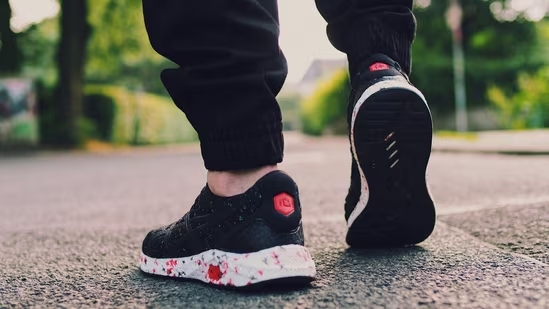
5 signs you are wearing the wrong pair of walking shoes: Physiotherapist reveals how to choose the right pair

If walking is a non-negotiable part of your daily fitness routine, you know one thing you cannot afford to mess with: the quality of walking shoes. While a comfortable pair of shoes can make your walk energising, one that leaves you with sore feet, blisters or knee pain, can be agonising. And while we agree that style matters, comfort and support should always come first when choosing the right pair. Each person has a different foot type, different exercise needs, and different foot problems that require specific solutions. So, it is important that you avoid walking shoes that signal that they’re not the best fit for you.
Signs of wearing wrong walking shoes
You can differentiate the wrong pattern of shoes by checking the following in a pair of walking shoes, according to physiotherapist Dr Palak Dengla of Aster RV Hospital:
- Wearing tight, pointed shoes can lead to foot problems such as corns, bunions, toe deformities (such as hammer toes, claw toes, and cross-over toes), and ingrown toenails. Older adults also have a higher risk of falling if their walking shoes do not fit well.
- High heels can lead to back pain, headaches, ankle injuries, sprains, and plantar fasciitis.
- Wearing flat shoes with little or no arch support can prevent your feet from working properly. This can lead to problems in your knees, hips, and back.
- Lack of arch support is the main cause of a painful heel condition called plantar fasciitis. This condition can sometimes lead to a bone growth known as a calcaneal spur.
- Wearing shoes that don’t fit well can cause your joints to adjust to poor foot angles. “This may lead to long-term changes in how your body functions and is structured”, says Dr Dengla. It’s best to buy a new pair of walking shoes after you’ve walked at least half a kilometer in them.
What to look for in the right walking shoes?
When choosing the right walking shoe, consider the following factors:
- Start with the fit. Your walking shoes should feel comfortable as soon as you try them on. There should be about a thumb’s width of space between your longest toe and the front of the shoe. Your toes should be able to move freely, but your heel should fit securely without slipping. It’s also a good idea to try on shoes later in the day, when your feet are slightly swollen, for a better fit.
- Stability: Wearing the right shoes helps you stay stable and comfortable while walking. When choosing a walking shoe, focus on cushioning and support. The shoe should absorb shock but still feel stable. If you walk often on hard surfaces like roads or pavements, good cushioning can help reduce joint strain. The shoe should also provide enough support for your arches. People with flat feet, high arches, or overpronation may need extra support tailored to their needs.
- Flexibility is an important factor. Walking shoes should bend at the ball of the foot to support your natural stride. If the sole is too stiff, it can feel uncomfortable. If it is too soft, it may not provide enough stability.
- Look at the materials. Breathable mesh tops can help keep your feet cool and reduce sweating, especially in warm weather. If you plan to walk in the rain or on trails, choose water-resistant options with better grip.
- Comfort: The shoe should fit well, especially around the heel and the midfoot. There should be some extra space for your toes to move at the front of the shoe. Don’t buy shoes just because they look good or because of the brand. Before you buy them, walk around in them and pay attention to how they feel on your feet.
Why choosing the right walking shoes is important?
When choosing walking shoes, focus on quality rather than quantity. Good walking shoes are essential for maintaining proper walking technique and avoiding injuries. “They support proper movement of your feet and all the joints in your legs while you walk. Investing in a comfortable, well-designed shoe is worth it,” shares the doctor. Wearing the wrong shoes can lead to back, knee, foot, and neck pain, as well as headaches. By simply changing your footwear, you might find quick relief from chronic knee and back problems.”
Wearing the right shoes also helps protect your body from injury. Research cited in the Journal of Foot and Ankle Research shows that good shoes can also affect how a person feels. “When a patient visits the doctor with any problem from head to toe, we first check their foot arch and the shoes they wear”, says the expert. In about 95 per cent of cases, the shoes don’t fit well, which can lead to better footwear reducing their pain by 30 to 40 per cent.
How to pick the right walking shoes?
The physiotherapist recommends following these tips to measure your feet correctly and pick the right walking shoes.
- Your feet swell as the day goes on, making them bigger in the evening than in the morning. To get the best fit, measure your foot size later in the day. When trying on shoes, wear the socks you usually wear.
- When you buy shoes, stand up and check your foot size. Your foot will stretch to its largest when you are standing.
- When you move your ankle up and down or side to side, your shoe should stay on. You should also be able to move your toes up and down.
- You need enough padding, and a snug fit around the heel and mid-foot will help you walk comfortably for long distances.
- To check your arch, you can stamp your foot in wet sand or trace it on paper. This will help you see your arch pattern clearly.
(Disclaimer: This article is for informational purposes only and not a substitute for professional medical advice. Always seek your doctor’s advice for any questions about a medical condition. At Read, we help you stay up-to-date with the latest trends and products. Read has an affiliate partnership, so we may get a part of the revenue when you make a purchase. We shall not be liable for any claim under applicable laws, including but not limited to the Consumer Protection Act, 2019, concerning the products. The products listed in this article are in no particular order of priority.)

Comments are closed.