
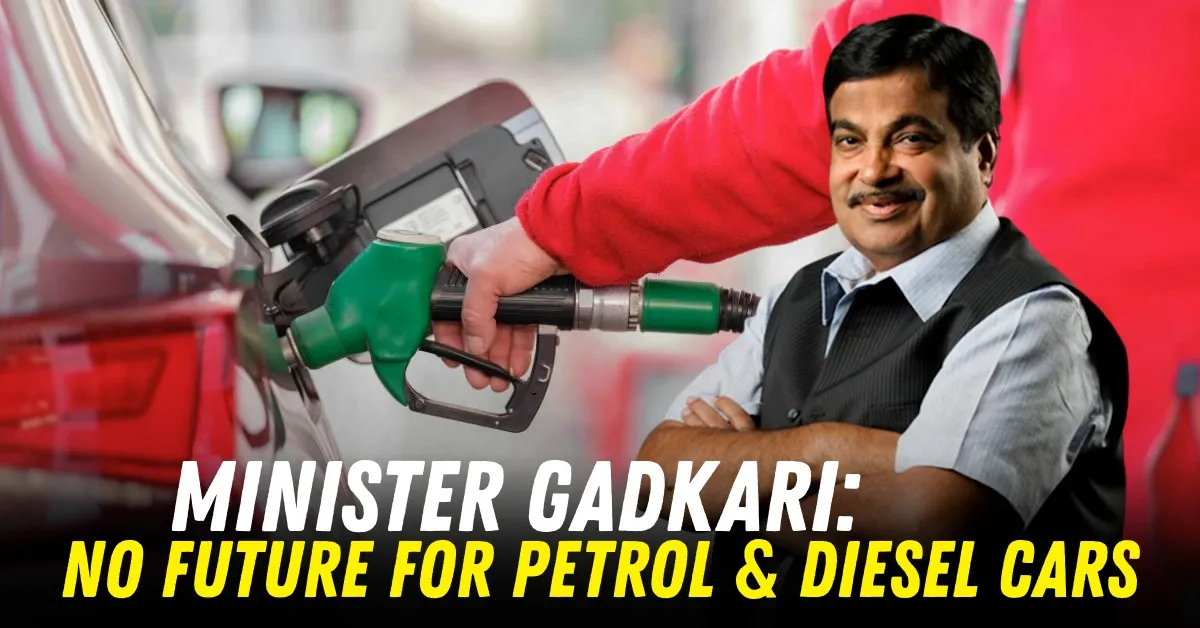
Minister Gadkari Just Said ‘No Future For Petrol, Diesel Vehicles’: What He Actually Means

Of late, India’s move towards cleaner mobility has become the topic of discussion of many. We have come across multiple headlines about the push for E85 blending (85% Ethanol blended petrol) and alternate energy vehicles. Now, Union Minister Nitin Gadkari has openly admitted that petrol and diesel vehicles ‘do not have a future’. He was speaking at the Busworld Conclave 2026 on Tuesday when he gave this blunt remark. It may have confused many. What he actually meant is that pure petrol and pure diesel are going away. Blended petrol and Iso-diesel (Isobutanol blended diesel) will be made available across the nation. Also, there will be an increased focus on the rollout of hybrids and all-electric vehicles.
India’s transport policy direction is set for a major transformation- suggests the minister’s remark. Gadkari did not mince words during his address. “One thing which is very clear…there is no future for diesel and petrol engines,”- he said.
While the immediate scope of ‘vehicles’ here may be buses and other public transport, the broader scope includes passenger vehicles as well. Petrol and diesel engines will not survive in the long run and automakers need to accelerate their transition to cleaner alternatives.
The increased push is rooted in two major concerns. One, India’s growing fuel import bill. The West Asia war has only made things worse. Secondly, pollution levels remain alarming in multiple cities. These economical and environmental pressures are reportedly forcing the government to accelerate the shift.
In his address, the Union Minister also urged automakers to transition to greener alternatives like biofuel, particularly in the transport sector.
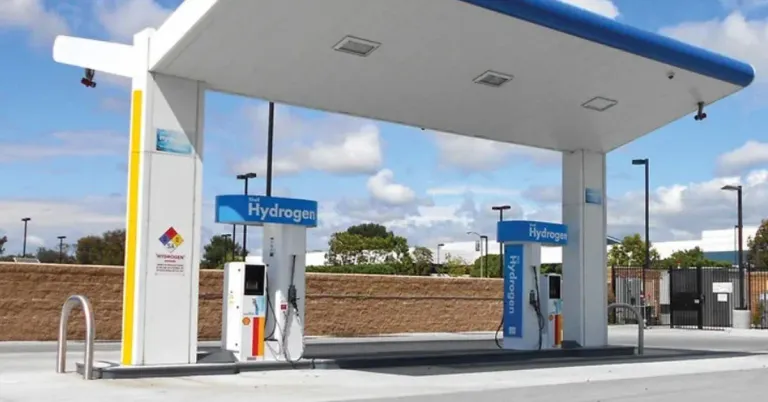
In the future, alternative fuels will play a key role in shaping India’s mobility landscape. Biofuels and electric powertrains will remain key parts of this strategy. We will see higher Ethanol blends and the rollout of flex-fuel vehicles. This will be sustainable given India’s large agricultural base and ability to produce Ethanol in bulk.
Iso-diesel is another fuel option that is known to be in the experimental stage now. Expected to become the successor of bio-diesel program, Iso-diesel is essentially diesel blended with Isobutanol. It will burn cleaner and have more lubrication than normal diesel. More importantly, it will be sustainable as Isobutanol is manufactured from sugarcane and grain surplus.
Electric vehicles are already gaining momentum here, both in transport and private sectors. Adoption is particularly high in urban areas. Hybrids will likely be the next big thing. Several strong and plug-in hybrid models are expected to launch in the coming years, across segments and price ranges.
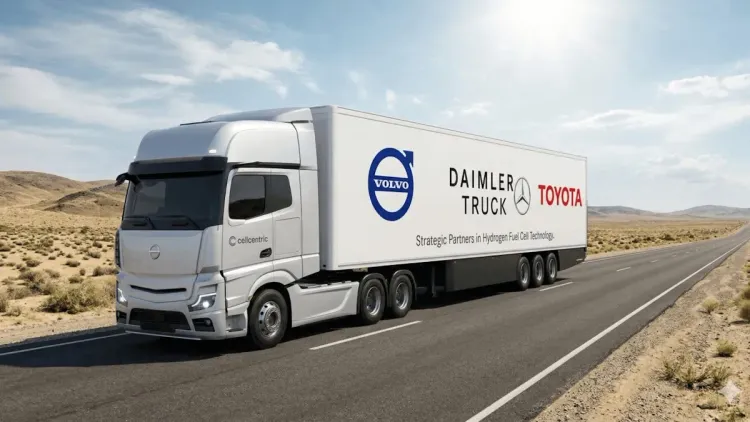
In his latest address, Gadkari also talked about how hydrogen as a fuel, needs to be explored. He said that hydrogen-powered trucks and buses are currently being tested on select routes- essentially pilot projects. It could emerge as a major fuel of the future, provided research and infrastructure development continue at pace. If scaled effectively, hydrogen could power heavy transport segments with zero emissions, especially in long-haul and commercial applications.
Seeing potential in it, the Adani Group is betting big on green hydrogen. The Group has plans to invest $9 billion towards hydrogen manufacturing and transportation infrastructure in Kutch. Just last year, Adani Enterprises launched a 40-tonne truck powered by hydrogen. It was built through a partnership between Ashok Leyland and Canadian fuel cell maker Ballard.
Beyond fuel transition, Gadkari highlighted the importance of strengthening public transport infrastructure in India. The highway network is undergoing rapid evolution in the country. Efficient and accessible public transport systems will also have to be set up to reduce congestion and to cut emissions.
Improving bus-based transport systems can deliver good results in terms of cost efficiency and environmental impact. The quality and safety standards of buses, the minister said, need to be improved. With rising passenger expectations, he said Indian bus design and manufacturing must match international benchmarks. Comfort, reliability and safety were identified as non-negotiable aspects of future public transport.
Gadkari’s vision for India’s transport sector appears to revolve around three core pillars. First is cost-effectiveness. Mobility solutions must remain affordable for the masses. Secondly, reducing emissions and pollution levels, and finally, the country’s self-reliance in fuel procurement- India should be able to cut down on fuel imports and thus strengthen its economic stability.
For the automotive industry, this signals an urgent need to accelerate investments in alternative fuel technologies, electrification and next-generation mobility solutions.
Comments are closed.