

Imagine your favourite meal. A nice thali? Or a hot plate of biriyani? A decadent cheesy pizza? Now imagine the comfort of the perfect nap that inevitably follows said savoured spread, paired with a nice cool breeze on a hot Indian summer day.
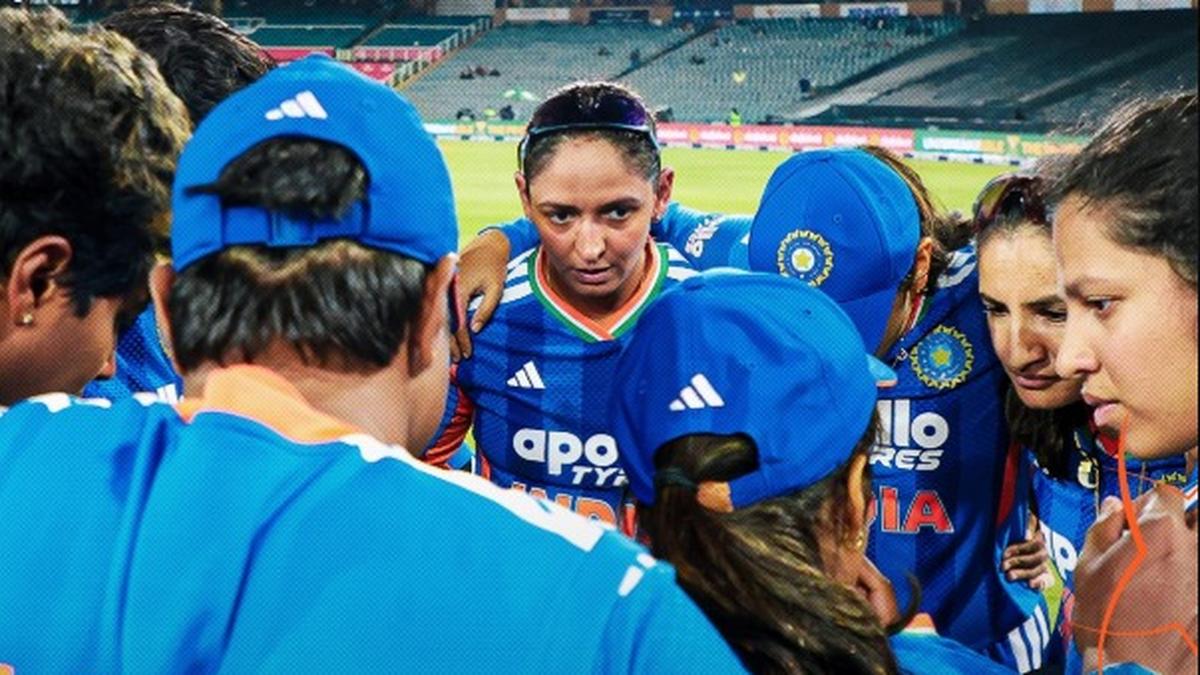
What if someone comes and slaps you awake from that siesta? That might be how the team India is feeling after a 1-4 drubbing in the five-match T20I series against South Africa, weeks away from the 2026 T20 World Cup in England. The afterglow of a maiden ODI World Cup win, the team’s first major ICC title at the senior level, was enduring and generous, but the bubble had to pop sometime, and that pointy pin that did the job had Laura Wolvaardt’s kind face on it.
Wolvaardt supremacy
The South African captain is on a hot streak like never before and looks unstoppable heading into the T20 showpiece. In the 825 runs the Proteas scored against India in five T20Is, Wolvaardt accounted for 330 – a whopping 40 percent. Her series haul is also the most runs a woman has scored in a single series/tournament in the format.
She has three fifties, a century (struck at a series-best strike rate of 216.98) and a solitary 18-run blip within her returns in the series. Incidentally, that was the game the Proteas lost. Naturally, she finished as the Player of the Series. For additional context, India’s top-scorer for its tour was her counterpart Harmanpreet Kaur, who scored little more than half of Wolvaardt’s aggregate – 169 runs.
That top-order brilliance masked frailties in the spine for South Africa. The middle order continues to be shaky. Sune Luus has been effective as Wolvaardt’s partner at the top, but the batting order thereafter has not managed an ounce of consistency.
Wolvaardt loves responsibility and has often tried to negotiate cricket’s tug of war on her own. Think of the semifinal and final in the ODI World Cup in 2025. But how much can she really do all by herself, year after year?
The side’s batting dynamite was on display in that 50-over showpiece when Wolvaardt and Tazmin Brits sculpted a Travishek (to borrow from the ongoing IPL)-style dominance over teams. Much like fellow South African Heinrich Klaasen for the Sunrisers Hyderabad, Nadine de Klerk, along with Chloe Tryon, gave South Africa its fangs lower down the order and finished several tight games for the side. With no official fixtures before the World Cup, the Proteas need to tap into these core strengths to fashion another surge to the summit clash.
deja vu
India, meanwhile, has stumbled back in time to 2024, where indecision rules. While the No. 3 slot was Amol Muzumdar’s biggest headache then, Jemimah Rodrigues has settled the nerves with a stable showing in that position. While the itch to use tours like this to experiment is understandable and even justified, a few of India’s calls are hard to understand. Smriti Mandhana and Shafali Verma have scored 37 percent (416 out of 1120) of the runs India has managed in the format this year, so resting the former to allow youngsters like Anushka Sharma a chance was fairly prudent.
What was puzzling was the organisation of the lower order. The handling of Deepti Sharma, Richa Ghosh, and a player like Bharti Fulmali – inducted into the team for her power and quick-scoring abilities under pressure – felt scatterbrained at best. Bharti, returning to the Indian T20I fold after a considerable time in the wilderness, needs to be moulded in Richa’s template, someone who can usurp the reins of an innings and firmly steer it away from the opposition’s control. The Gujarat Giants and Vidarbha finisher has a best effort of 30-ball 40 in the 5th T20I, returning single-digit scores in the other two games she featured in. Should India have considered pushing her ahead of Richa to allow her an additional ball or two to settle in and get going? Richa’s own stutters mean she needs game time too – a Catch-22 for the think tank.
Beyond it all, will Bharti continue to get a run if Amanjot Kaur’s pace option makes her a better choice?
One can imagine Deepti was worried more about her returns with the ball than with the bat. She went wicketless in the first three games and then dug her way to a match-winning fifer in the fourth fixture, but her economy rates remained erratic throughout. England is the last preparatory stop for the Women in Blue, an opponent that brings out Deepti’s competitive best. Muzumdar and Co. will hope Deepti finds her rhythm in time to get going in the World Cup, should she make the squad.
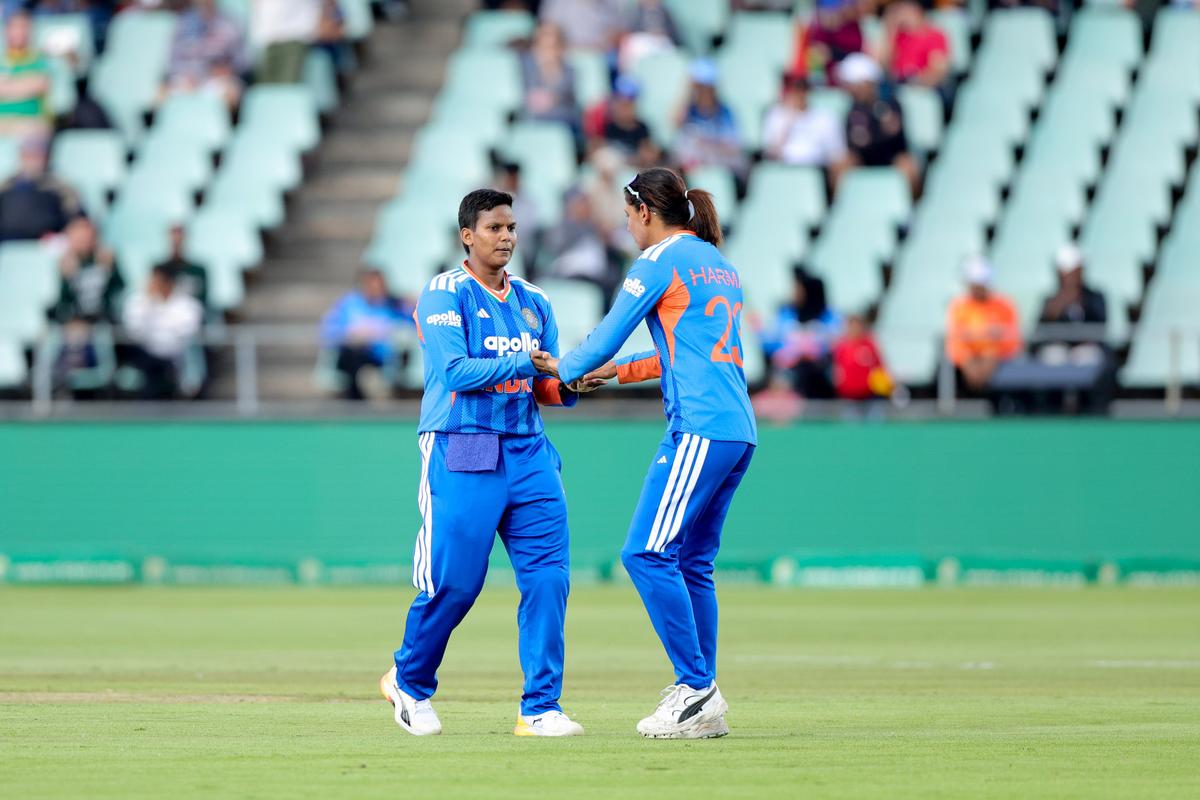
Kranti Goud’s aggression and Renuka Singh’s ability to swing the ball early mean little if wickets don’t follow with the new ball. India managed just two PowerPlay wickets in five games. Renuka and Deepti are Harmanpreet’s strike bowlers of choice, and they clocked economy rates exceeding 11. Persistent fielding slip-ups do not help.
Harmanpreet, Smriti, and Muzumdar will also be eyeing that strike rate column with some worry. While Harmanpreet’s jump from 104.83 in 2025 to 131.01 this year is the most dramatic improvement, everyone else has plateaued. Shafali’s strike rate in the format has dropped from 158.5 to 142.4, with a six percent drop in her boundary percentage. Credit to good opposition bowling too, but she will need to grind her way back to her ‘normal’ range and unlock a way to stay put for longer to maximise the efficacy of the pressure she brings to the table. In Wolvaardt, there’s a template ready to be emulated.
India is not known for bravado with squad selections. While this squad and this think tank have experimented, it often errs on the side of caution when tournament cricket comes calling. The 2024 group-stage exit was a humbling experience of epic proportions. That opening defeat at the hands of New Zealand buoyed the White Ferns right to the podium. All eyes will be on the squad India carts to the British Isles and what the unit does with the time it has to lock in some last-minute preparation as a challenging World Cup, with spirited opponents, beckons.

Comments are closed.