
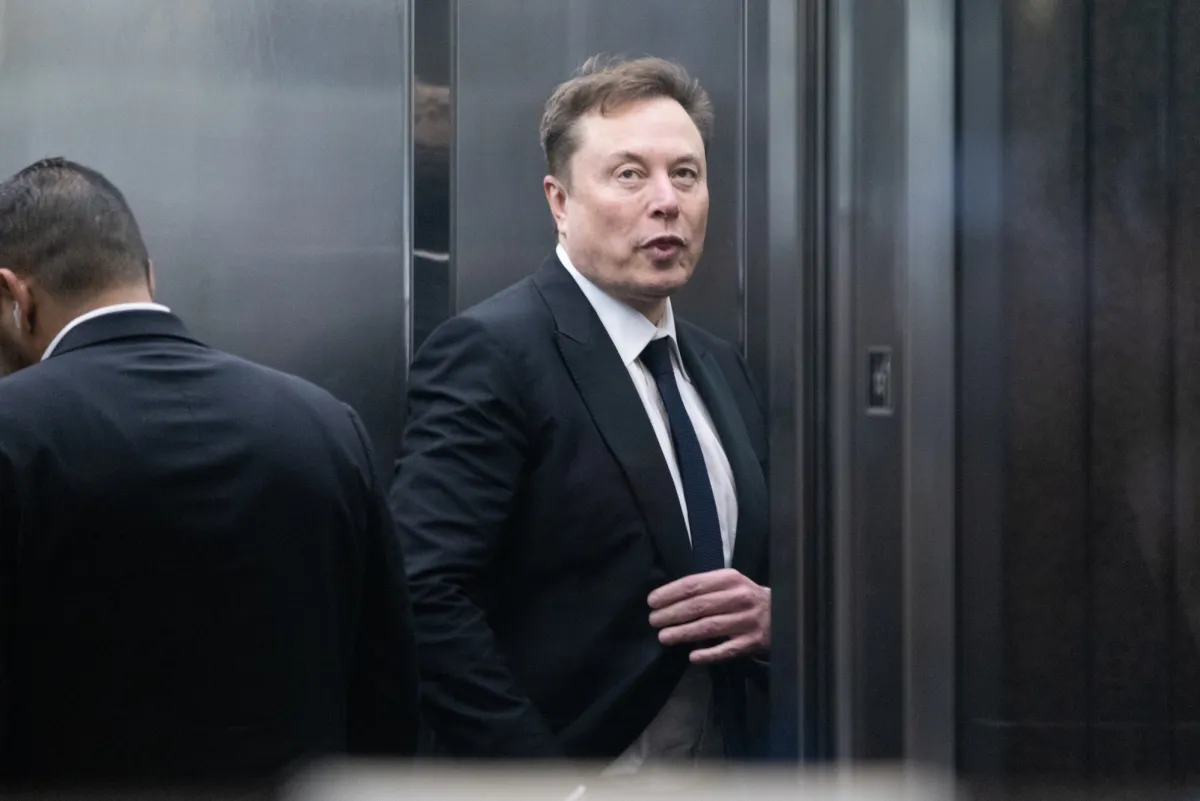

The ongoing legal clash between Elon Musk and Sam Altman has taken a technically fascinating turn, dragging an often opaque AI practice—distillation—into the public eye. What began as a dispute over OpenAI’s shift from a nonprofit to a for-profit structure is now exposing how even the world’s top AI labs may be borrowing from one another behind the scenes.
Credits: Firstpost
What Is AI Distillation—and Why It Matters
At its core, distillation is a method where a smaller or newer AI model learns by interacting with a more advanced one. Instead of training entirely from scratch using massive datasets and expensive compute infrastructure, developers can “query” an existing model and use its responses to train a new system.
This technique dramatically reduces costs and time. It’s one reason why some Chinese AI firms have been able to build competitive models at a fraction of the investment made by U.S. companies. But there’s a catch—many AI providers explicitly prohibit such usage in their terms of service.
That’s where the controversy begins.
Musk’s Testimony: A Careful but Telling Answer
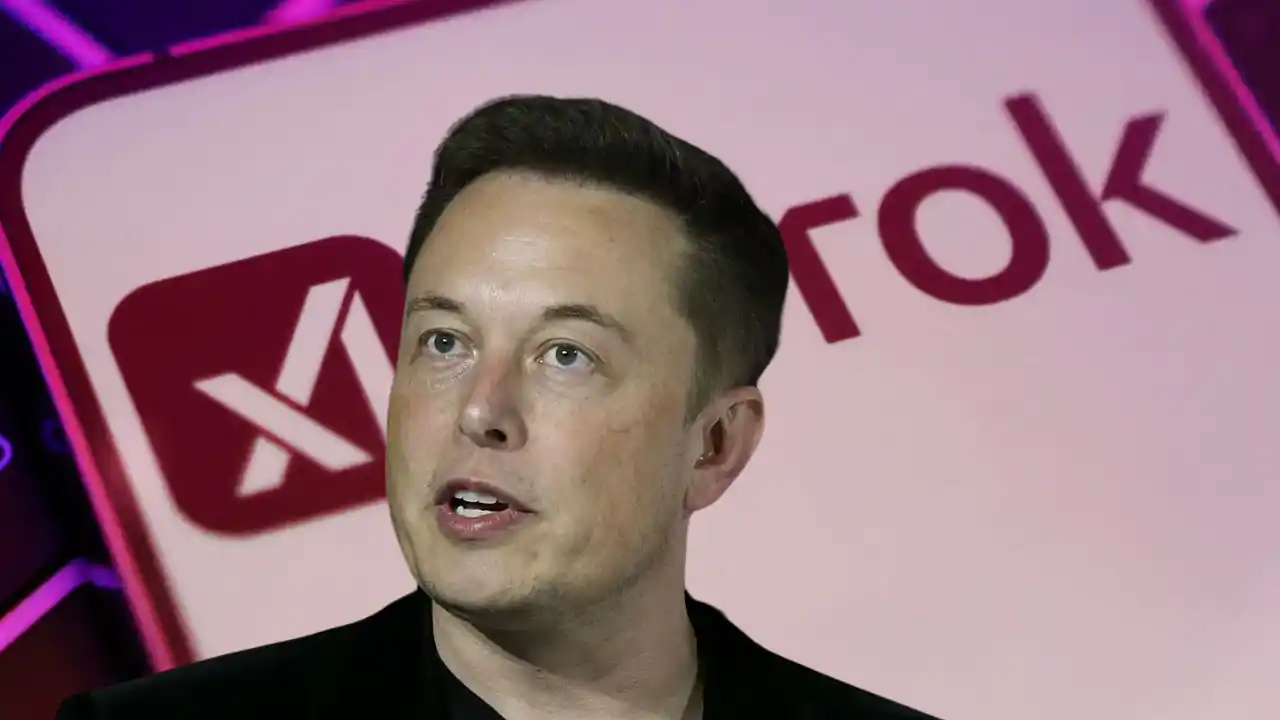
During cross-examination in a California courtroom, Musk was asked directly whether his AI company, xAIhad used distillation techniques on OpenAI models to train its chatbot, Grok.
His response? “Generally A.I. companies distill other A.I. companies.”
Pressed further for a clear yes or no, Musk replied: “Partly.”
It was a brief answer—but one loaded with implications. While not a full admission, it suggests that even companies critical of competitors may still rely on similar tactics to stay competitive.
A Growing Industry Practice—Despite Restrictions
Musk’s statement points to a broader reality: distillation may be more common than companies publicly acknowledge. As the cost of training frontier AI models continues to skyrocket, the incentive to shortcut the process grows stronger.
However, companies like OpenAI, Anthropicand Google have made it clear that using their models for such purposes violates their policies.
To combat this, these firms—through the Frontier Model Forum—are developing systems to detect suspicious querying patterns. The idea is simple: if someone is systematically probing a model at scale, they may be trying to replicate it.
The Bigger Legal Battle: Nonprofit vs Profit
While distillation grabbed headlines, the core of Musk’s lawsuit remains philosophical—and financial. Musk alleges that OpenAI’s leadership, including Altman and co-founder Greg Brockmandeviated from the organization’s original nonprofit mission.
According to Musk, OpenAI was meant to operate as a public-good entity. Instead, it created a for-profit arm and entered into deep partnerships, including with Microsoft.
During the trial, OpenAI’s lead counsel William Savitt questioned Musk about his awareness of this structure. Meanwhile, Microsoft’s lawyer Russell Cohen highlighted that Musk had prior knowledge of the evolving relationship between OpenAI and Microsoft.
Musk defended his delayed legal action by saying he believed OpenAI would remain a “pure-play 501(c)(3)” nonprofit.
Courtroom Drama and a Moment of Humor
Despite the high-stakes nature of the trial, Musk’s testimony wasn’t without lighter moments. At one point, he pushed back against what he described as “leading questions” from Savitt, prompting Judge Yvonne Gonzalez Rogers to interject and clarify courtroom procedure.
Musk, staying true to his often blunt style, reminded the court: “I am not a lawyer.” Then, with a grin, added, “Well, technically I did take Law 101 in school.”
The courtroom reportedly broke into laughter—a rare pause in an otherwise intense legal showdown.
Credits: Digit
Why This Moment Could Reshape AI Competition
Musk’s “partly” admission may have broader consequences than the lawsuit itself. If distillation is indeed widespread, it challenges the competitive moat that leading AI companies have built through billions in compute spending.
In a world where models can be mimicked through clever querying, the advantage may shift from who builds first to who protects best.
As the trial continues, one thing is clear: the fight between Musk and OpenAI is no longer just about corporate structure—it’s about the very rules of the AI race.

Comments are closed.