
New Duster Has Nearly Doubled Renault’s Sales: These Upcoming Cars Will Triple And Quadruple Sales

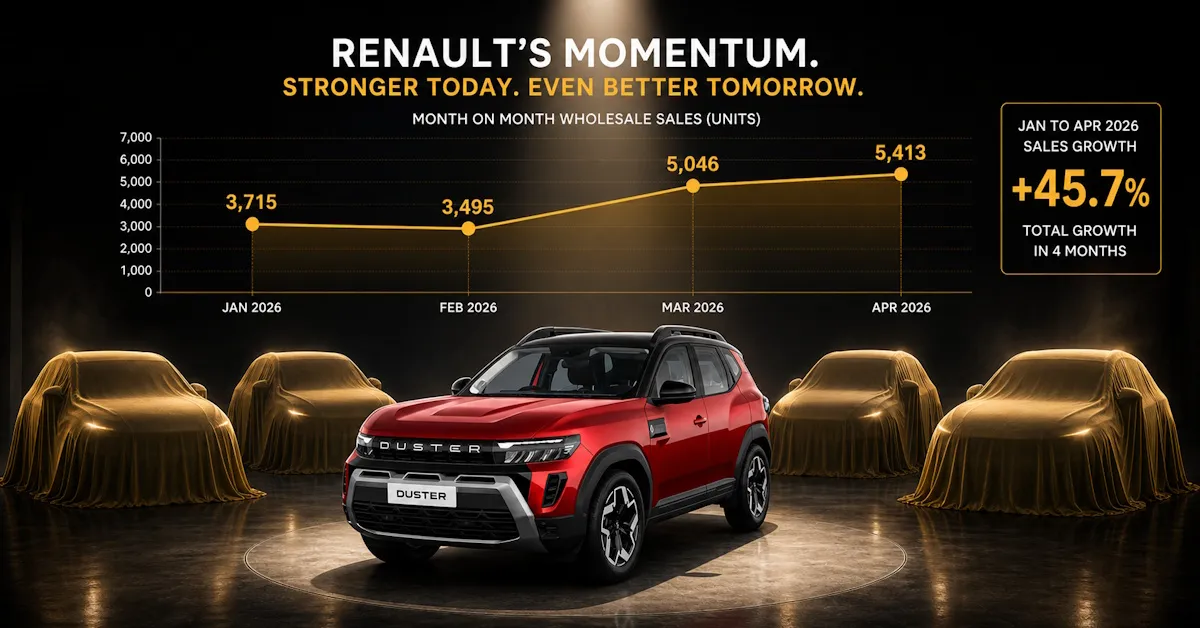
The French automaker Renault in India has already seen double growth after the launch of the new Duster mid-size SUV. However, the company has no plans to slow down and wants to triple and quadruple its sales in the country. It has been reported that Renault has registered a year-on-year growth of 108 percent in April 2026. Now, with the upcoming models lined up in its launch roster, it will most likely achieve its target of increased sales.
Renault India has recorded total domestic wholesales of 5,413 units in April 2026. When compared to April 2025, sales were 2,602 units. This basically means that Renault has sold more than twice the number of cars it did in the same month last year. What makes this even more impressive is that the new Duster only started deliveries in the later part of April 2026. Due to this, its full impact on sales has not even been seen completely.
To help you better understand Renault and its plan, we have to go back to FY17, when Renault was selling a lot of vehicles. The brand at the time sold 1.35 lakh units and had a market share of around 4 percent, and the Duster was a big hit. The hatchback Kwid was also very popular, and together they brought in the majority of sales. However, come 2025, and the market share had crashed to just about 1 percent.
The main reason behind a large portion of this decline was the lack of timely product updates and missed launch opportunities. Renault could not keep pace with the fast-moving Indian market. Now, with the new-generation Triber and Kiger launched in September 2025 and the all-new Duster’s launch in April 2026, things have changed for the better.
As part of the company’s ambitious growth plans, Renault has increased its dealership network to 638 sales and service touchpoints across the country. According to the company, with the help of the following car launches and the increased touchpoints, it wants to increase its market share from the current 1 percent to at least 3 percent by the end of this decade.
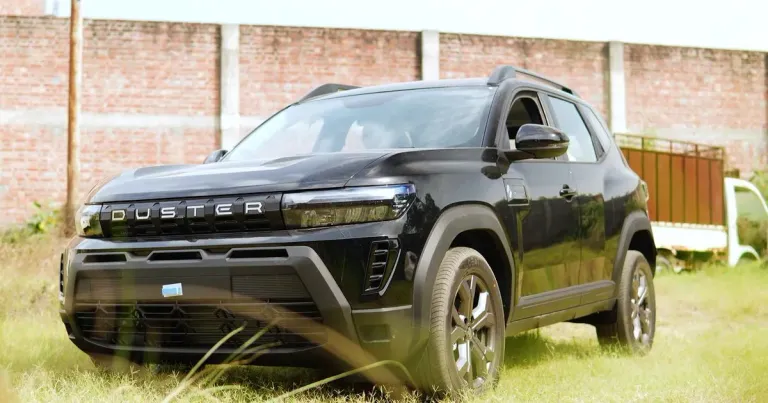
Presently, Renault only offers the Duster with two petrol engine options, namely the 1.0-litre turbo and 1.3-litre turbo. However, by the festive season of this year, it will be launching the strong hybrid version of this SUV, and it is going to be a big hit. Currently, the company has stopped taking reservations for this model as it is sold out for this year.
The Duster Hybrid will come equipped with a 1.8-litre naturally aspirated petrol engine with two electric motors and a small battery pack, and it will make 160 PS and 172 Nm of torque. What will make it stand out is Renault’s claim that it can run in EV mode up to 80 percent of the time in city driving conditions.
For many buyers living in major cities who are looking for efficiency without the range anxiety of a full electric vehicle, this will become a very compelling vehicle. So, it will be safe to assume that the Duster hybrid will create a second wave of demand on top of what is already happening. Renault will be seeing growth of around 20 to 30 percent from this variant alone.
The Duster is built on the RGMP, which stands for Renault Global Modular Platform. It supports multiple body styles, both 2WD and 4WD configurations, and multiple powertrains, including ICE, hybrid, and full electric. It is very likely that in the future Renault could also launch the Duster with an electric powertrain as well.

Apart from the Duster and its hybrid variant, Renault is planning to take over the mass market segments with its new RGEP architecture, which stands for Renault Group Entry Platform. This new platform will replace the aging CMF-A and CMF-A+ architectures that currently underpin the Kwid, Triber, and Kiger.
It will bring a number of very important changes that will make these affordable cars far more competitive. The biggest change is the introduction of factory-fitted CNG. Presently, Renault offers CNG only as a dealer-level retrofit for the Kwid, Triber, and Kiger. The kit costs between Rs 75,000 and Rs 79,500 and is only available with manual gearbox variants.
Also, it takes up a majority of the boot space, which becomes one of its major drawbacks. However, with the new RGEP platform, the company will offer its affordable cars with a CNG tank under the body of the car. This means that there will be no compromise in boot space. It also means that these cars will get AMT and CVT gearbox options with CNG-kitted versions.
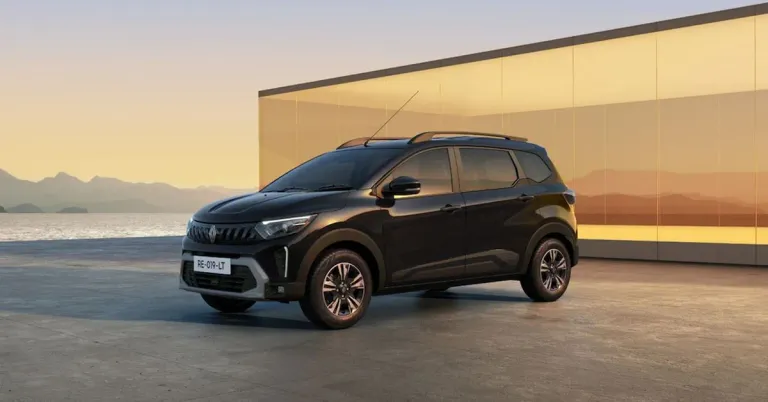
Another major launch on the cards is the affordable 7-seater MPV Triber with a more powerful turbo petrol engine. The new-generation Triber will be the first in line to benefit from the RGEP platform. The updated Triber Turbo is expected to arrive around Diwali of this year. It will get the turbo petrol engine, which is the same unit seen on the Kiger and the Duster. Prices are expected to start at Rs 6 lakh and go up to Rs 8.5 lakh.
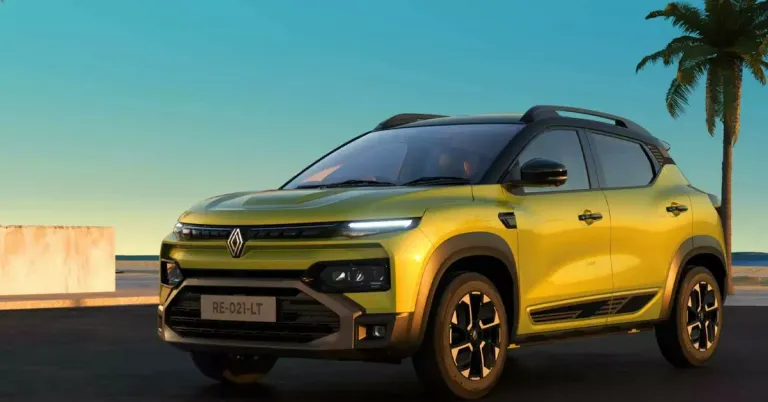
The Kiger sub-compact SUV will also get a full-generation update on the RGEP platform, though this is expected to arrive closer to 2028. It will get the turbo petrol engine along with a factory-fitted CNG option. Most likely, we will be seeing a major update in terms of design and features as well. The launch is expected to take place later this year or by early 2027.
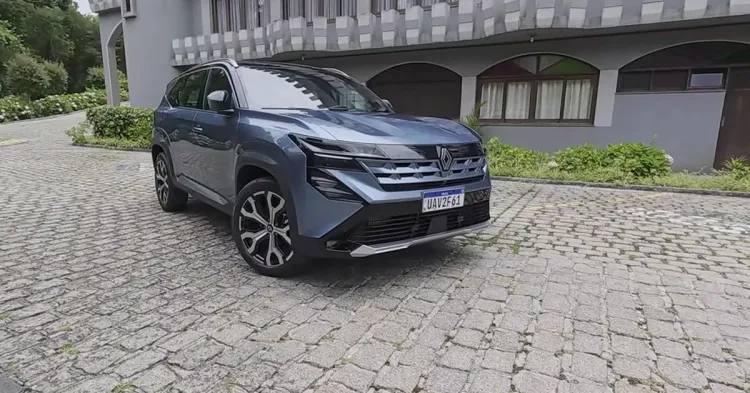
Renault will also be launching the Boreal 7-seater MPV, which will be the 3-row-equipped Duster and will be based on the same RGMP platform as the Duster. It will be longer, taller, and wider than the Duster and will have a slightly longer wheelbase to help in the accommodation of the third row of seats. The exterior design will also be completely different from the Duster. However, the powertrain options will remain the same as the standard Duster.
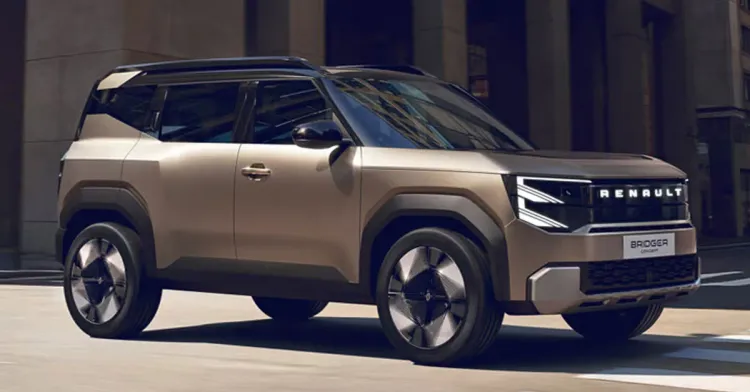
Second last on the list is the Renault Bridger, of which the concept was recently shown to the public. The Bridger will compete in the sub-4-metre SUV segment, and it will boast a very boxy and muscular design. It has been developed entirely by Renault’s India team in Chennai and will be manufactured in India for both the domestic market and for export.
Like the Duster and the Boreal, it too will be based on the RGMP platform. What will make it more unique is that it will be offered with not one, not two, but four different powertrain options. We will be seeing a standard turbo petrol version that is expected to launch around the festive season next year.
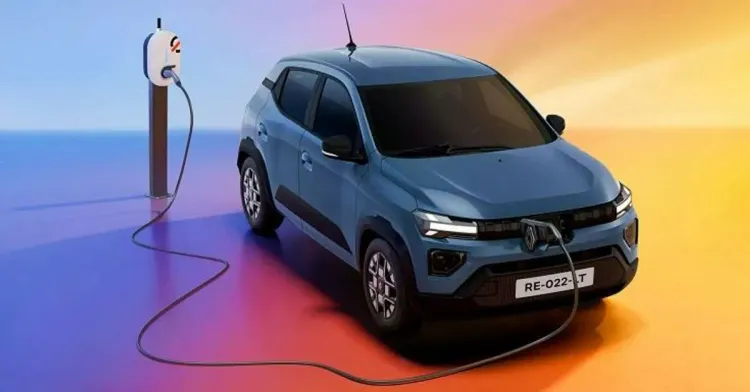
Another very important launch from Renault India will be the electric version of the Kwid. This particular EV hatchback will be based on the Dacia Spring EV and will become the most affordable EV from the brand. It will take on rivals such as the Tata Tiago.ev, Citroen eC3, and the MG Comet EV.
Comments are closed.