
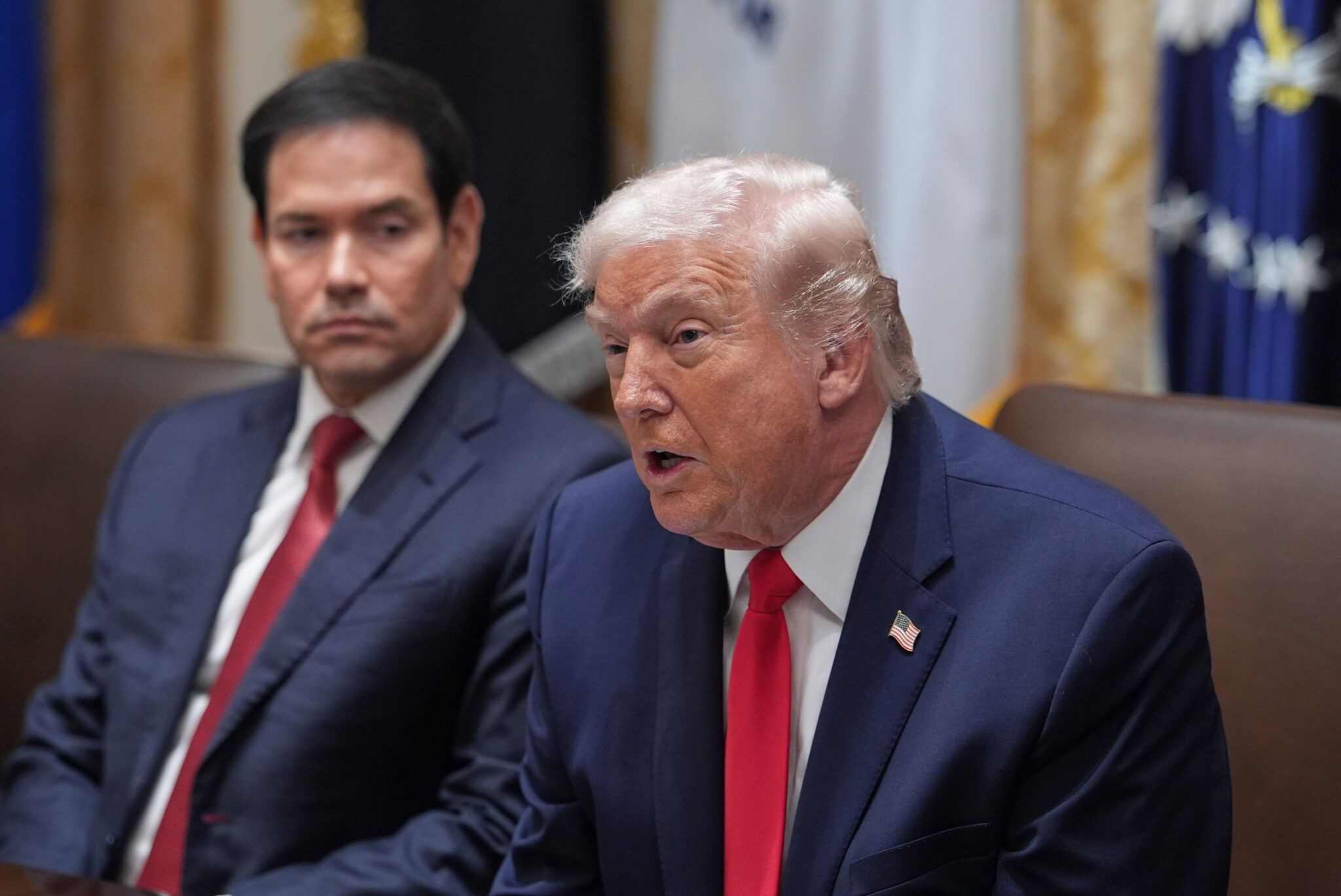

Trump Counterterrorism Strategy Prioritizes Western Hemisphere Drug Cartels/ TezzBuzz/ WASHINGTON/ J. Mansour/ Morning Edition/ President Donald Trump unveiled a new counterterrorism strategy focused primarily on drug cartels in the Western Hemisphere. The administration says cartel violence and drug trafficking now pose the greatest security threat to Americans. The strategy expands military, intelligence and diplomatic pressure across Latin America and the Caribbean.
Trump Counterterrorism Strategy Quick Looks
- Western Hemisphere becomes top U.S. security focus
- Drug cartels labeled major terrorist threat
- White House prioritizes cartel dismantling operations
- U.S. expands military strikes on suspected drug vessels
- Administration pressures allies for greater cooperation
- Strategy also targets extremist and anti-American groups
Trump Administration Refocuses Counterterrorism Efforts
President Donald Trump has approved a sweeping new U.S. counterterrorism strategy that places drug cartels operating across the Western Hemisphere at the center of America’s national security priorities.
The White House announced the updated doctrine Wednesday, describing cartel violence and narcotics trafficking as the most immediate and deadly threat facing Americans.
The strategy marks a major shift away from the post-9/11 focus on Middle Eastern terror organizations toward threats emerging closer to U.S. borders.
Cartels Now Treated As National Security Threats
White House counterterrorism adviser Sebastian Gorka said the administration’s calculations are straightforward.
According to Gorka, more Americans have died from cartel-driven narcotics trafficking — especially fentanyl and synthetic drugs — than U.S. military personnel lost in wars since World War II.
“Whether it is strangling their illicit funds, whether it is tracking their drug boats, we will not permit them to kill Americans on a massive scale,” Gorka said.
The administration increasingly refers to cartels as “narcoterrorist organizations,” a label that justifies broader military and intelligence operations.
Western Hemisphere Becomes Primary Strategic Focus
The strategy follows the administration’s updated national security doctrine released earlier this year, which declared the Western Hemisphere the primary geographic focus of U.S. foreign policy.
The Trump administration argues instability in Latin America directly threatens:
- U.S. border security
- Domestic public safety
- Economic stability
- National sovereignty
The White House has also tied cartel activity to broader geopolitical competition with foreign powers, especially China.
Military Operations Intensify Across Latin America
The strategy formalizes a dramatic expansion of U.S. military operations targeting suspected cartel trafficking routes throughout Latin America and the Caribbean.
According to administration officials:
- U.S. military strikes on suspected cartel-operated boats have continued since September
- At least 191 people have reportedly been killed during operations
- The Pentagon has expanded maritime interdiction campaigns
- Intelligence-sharing with regional allies has increased substantially
Critics have questioned the legality of some strikes and whether sufficient evidence exists proving targeted vessels carried narcotics.
Pressure Builds On Regional Governments
The administration is also pressuring governments throughout the hemisphere to take more aggressive military action against cartels and transnational gangs.
Defense Secretary Pete Hegseth previously warned regional allies that Washington is prepared to act independently if partner nations fail to cooperate.
The White House has:
- Supported the removal of Nicolás Maduro from power in Venezuela
- Increased pressure on Cuba
- Encouraged military coordination through multinational anti-cartel coalitions
The ‘Shield Of The Americas’ Coalition
The counterterrorism strategy aligns closely with the administration’s broader “Shield of the Americas” initiative, a multinational security coalition launched earlier this year.
The alliance reportedly includes 17 participating nations committed to:
- Intelligence sharing
- Joint military operations
- Targeting cartel financing networks
- Combating organized crime and trafficking routes
Trump has compared the initiative to the international coalition formed against ISIS.
New Threat Categories Included In Strategy
Beyond cartels, the updated strategy also identifies several additional targets:
- Islamic extremist organizations
- Violent secular political groups considered anti-American
- Anarchist movements
- Organizations described as “radically pro-gender”
- Nonstate actors pursuing weapons of mass destruction
The broad language surrounding ideological groups may generate legal and political scrutiny from civil liberties advocates.
Administration Demands More From Allies
Gorka said allied governments will be expected to contribute more resources and operational support moving forward.
“As the president made very clear, we will measure your seriousness as a partner and ally by how much you bring to the table,” Gorka said.
Administration officials are expected to meet with international partners later this week to discuss expanded coordination efforts.
Critics Warn Of Expanded Militarization
Critics argue the strategy risks turning Latin America into a prolonged counterterrorism battleground similar to the post-9/11 “War on Terror.”
Some foreign policy analysts warn:
- Military-first strategies could destabilize governments
- Civilian casualties may rise
- Regional sovereignty concerns could intensify
- Long-term diplomatic relations may suffer
Others argue the approach could deepen tensions with countries reluctant to permit expanded U.S. military involvement.
Political Stakes Ahead Of Midterms
The strategy also arrives as Trump seeks to reinforce his law-and-order credentials ahead of the 2026 midterm elections.
The administration continues emphasizing:
- Border security
- Immigration enforcement
- Anti-cartel operations
- Anti-fentanyl messaging
Republicans increasingly frame cartel violence as both a public health crisis and a national security emergency.
More on US News
Comments are closed.