
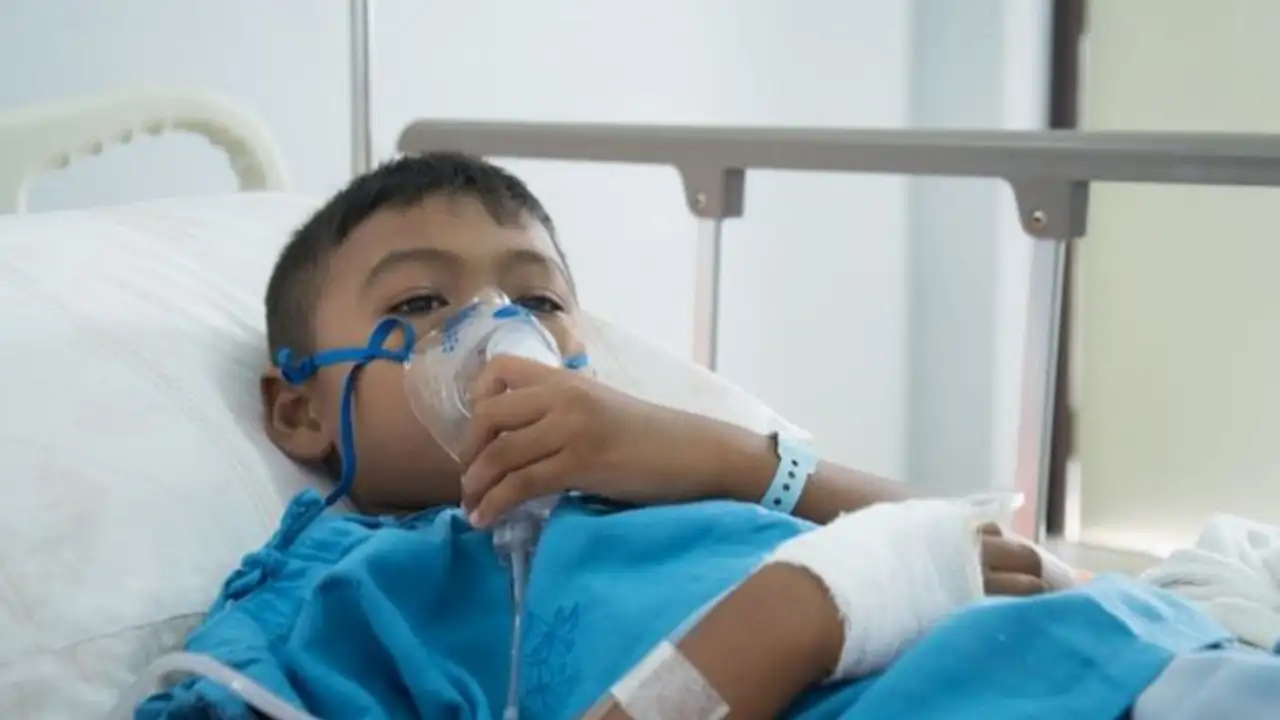

What is Thalassemia?
There are many diseases in the world which get cured with time, but some diseases take a permanent form. Thalassemia is one such genetic blood disorder, in which hemoglobin production in the body is reduced, leading to anemia (blood deficiency). There are two types of thalassemia: minor and major. In minor thalassemia, symptoms are usually not visible or are very mild, whereas in major thalassemia there is no permanent cure and it requires lifelong blood transfusions.
prevalence of thalassemia
The disease is passed from parents to children through genes and is not contagious. Thalassemia is an autosomal recessive disorder, meaning it occurs when a child inherits one defective gene from both parents.
Minor Thalassemia: If the child inherits the defective gene from only one parent, he or she is said to have thalassemia minor (carrier).
Major Thalassemia: If both parents are carriers, the child has a 25% risk of having thalassemia major. Children with thalassemia major often require blood transfusions throughout their lives because their bodies cannot produce enough hemoglobin.
Symptoms of Thalassemia
Symptoms of thalassemia include fatigue, weakness, shortness of breath, dizziness and pale skin. Additionally, children affected with thalassemia may have slowed growth, enlarged livers, and dark urine due to the breakdown of red blood cells.
Thalassemia treatment
Currently, stem cell transplant (bone marrow transplant) is the only treatment that can cure thalassemia, but it is an expensive procedure, costing anywhere from Rs 10 lakh to Rs 40 lakh. Additionally, the disease can be controlled through blood transfusion, iron chelation therapy, folic acid, or splenectomy surgery.

Comments are closed.