
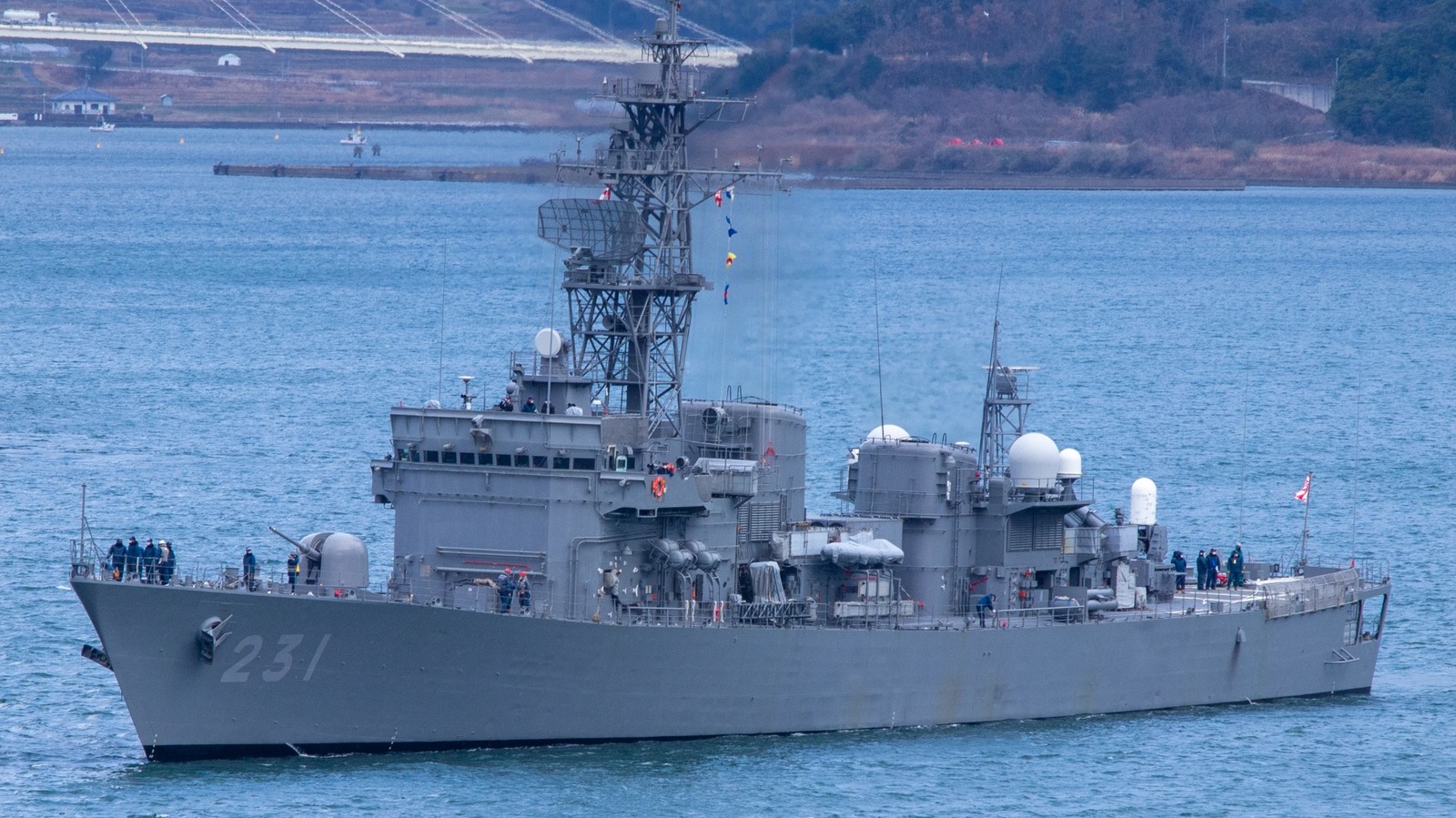

Japan largely demilitarized after World War II, with the only remnants of its military being the Japan Self-Defense Force (JSDF). This small military service exists to defend the island’s interests, and consists of around 250,000 active personnel in its Naval, Ground, and Air branches. Traditionally, the country’s laws prohibited the sale of lethal military assets, but those rules have changed.
On April 21, 2026, Japan relaxed its 80-plus-year-long practice of limiting arms exports, allowing for the sale of lethal weapons to the 17 nations with which it has defense agreements. These include the United States and many allied nations in Europe and Asia. Previously, restrictions only allowed the export of products in five categories: warning, transport, rescue, minesweeping, and surveillance.
As reported by the BBCJapanese Prime Minister Sanae Takaichi wrote on X that this does not mean that Japan is changing its fundamental principles of peace. She stated that “Under the new system, we will strategically promote equipment transfers while making even more rigorous and cautious judgments on whether transfers are permissible.” Japan continues to restrict the sale of any lethal arms to nations involved in a conflict in most cases, which could limit sales to the U.S. due to its ongoing hostilities with Iran. There are still, however, over a dozen potential customers for Japan’s decommissioned hardware, with some nations already eyeing several of Japan’s decommissioned Navy destroyers.
Japan’s decommissioned destroyers have a potential customer
When Japan announced its easing of restrictions on arms exports, Japan’s Chief Cabinet Secretary Minoru Kihara told Nikkei Asia that a nation had already inquired about putting decommissioned destroyers back into service. While he didn’t name the country, it’s possible that the Philippines is interested in Japanese destroyers. In July 2025, Japan and the Philippine government signed an export agreement for six used Abukuma-class escort destroyers to counter China’s growing actions in the South China Sea.
China has been increasing its territory via artificial island-building in the area, which hasn’t escaped its neighbors’ notice. Abukuma-class destroyers are designed and employed to protect coastal waters and sea lanes. They entered service with the Japan Maritime Self-Defense Force in 1989, and Japan is in the process of phasing out all six as it modernizes its fleet. Each vessel measures 357.6 feet in length while displacing 2,205 tons of seawater.
They’re typically crewed by around 120 personnel and are armed with a variety of weapon systems, including the Phalanx Close-in Weapon System, 76 mm OTO Melara guns, torpedoes, and Type 90 anti-ship missiles. Japan has been supporting the Philippines with various defense contracts since 2013, when Japan provided 12 patrol vessels under its previous arms export policy. The Philippines will use Japan’s destroyers to supplement the Philippine Coast Guard’s fleet.

Comments are closed.