
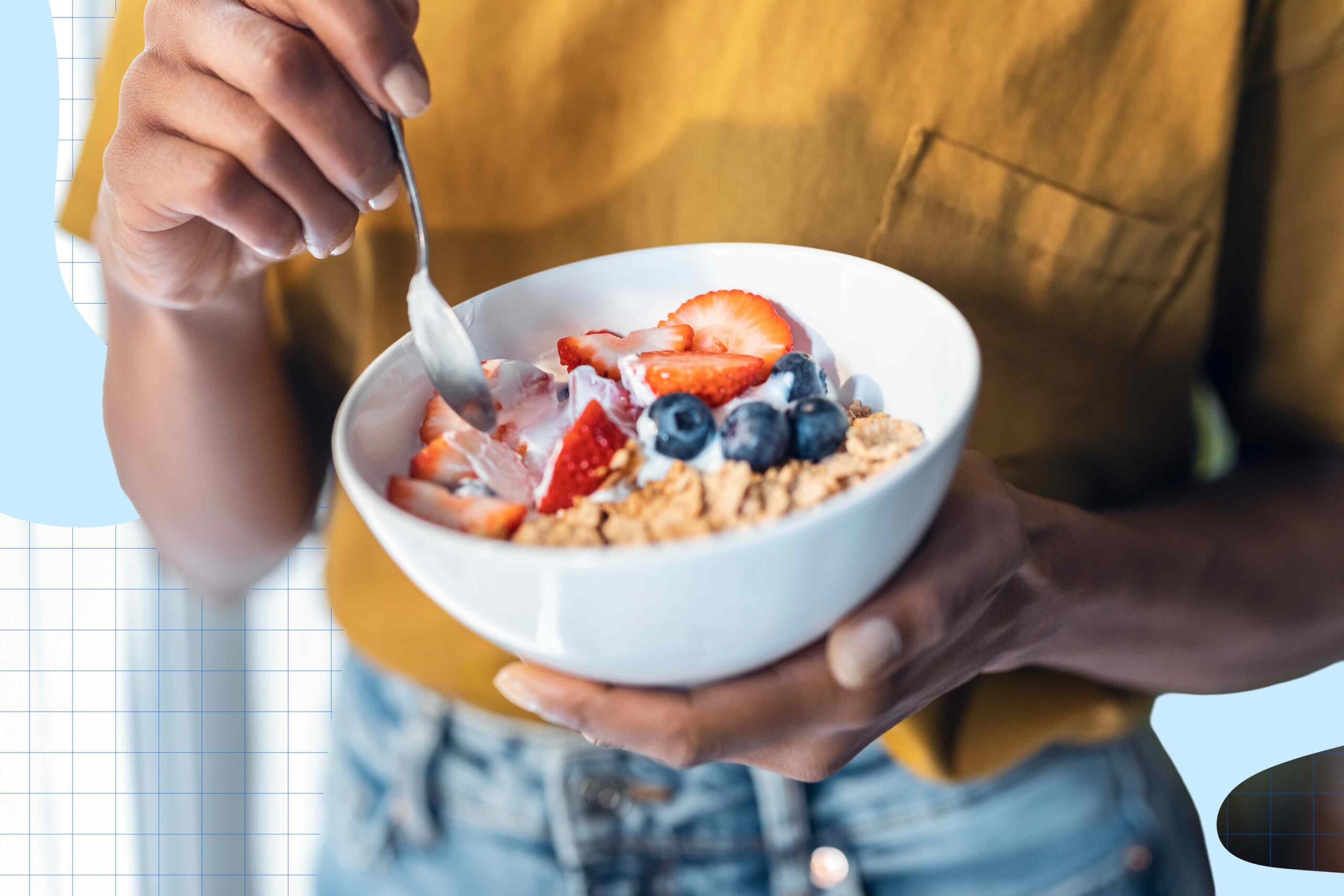

These small-but-mighty fruits are full of mood-boosting antioxidants.
Reviewed by Dietitian Casey Wing, RD, CD
Key Points
- Blueberries are rich in antioxidants that may help reduce anxiety and support cognitive health.
- Wild blueberries offer more antioxidants and fiber, which benefit gut health and mood regulation.
- Adding blueberries to meals or snacks is a simple, sustainable way to boost mental health.
About one-third of all adults will experience an anxiety disorder at some point in life. The good news: There are many ways to manage anxiety, including nutrition. “Nutrients influence inflammation, blood sugar regulation, gut health and neurotransmitter production, all of which can impact mood and stress response,” explains Samantha DeVito, M.S., RD, CDN.
While dietary changes alone probably won’t rid you of anxiety completely, with consistency, they can make a difference in your mental health. “Prioritizing nutrient-dense, whole foods can help support a more stable, balanced nervous system over time,” says Brittany Brown, RD, IBCLC, CDE. Weaving fruits into your meals and snacks is central to a nutritious diet, but one fruit stands out when it comes to managing anxiety—blueberries. Here’s why.
How Blueberries Can Help Manage Anxiety
They Help Fight Inflammation
We need antioxidants to keep our cells healthy and stave off chronic disease, and blueberries are full of them. “Blueberries are rich in antioxidants, particularly anthocyanins, which help fight oxidative stress and inflammation often linked with anxiety and mood disorders,” says Brown. In fact, folks who eat less antioxidants are more likely to have generalized anxiety disorder, according to a 2025 study in Nutritional Neuroscience. After taking antioxidant supplements for six weeks, participants in the study experienced less anxiety.
For even more antioxidants, DeVito recommends eating wild blueberries. They typically contain more antioxidants than cultivated ones.
They Boost Cognitive Health
Blueberries’ antioxidants are also great for cognitive health. “Research suggests blueberry consumption may support cognitive function and blood flow to the brain, which can positively influence mood, focus and emotional regulation during periods of stress,“ says DeVito. With roughly 15% of the Daily Value of vitamin C per cup, blueberries may also support healthy neurotransmitter production. “Blueberries provide vitamin C, a key nutrient involved in the production of neurotransmitters like serotonin and dopamine, which play a role in mood and stress response,” Brown explains.
They Support the Gut-Brain Axis
Your gut will surely thank you for eating blueberries, since they’re full of antioxidants and fiber. One cup of regular blueberries has 3.6 grams of fiber, and a cup of wild blueberries has almost double that. That’s 13% to 22% of the DV! “Through the gut-brain axis, this can influence mood and cognition,” says Brown. That’s right—a happy gut is linked with a happy brain.
Wild blueberries may be especially helpful since they have more antioxidants and fiber than regular blueberries. “Their polyphenols and fiber help nourish beneficial gut bacteria, and emerging research shows gut health plays an important role in mood and anxiety regulation,” says DeVito.
Tips for Enjoying Blueberries
Blueberries aren’t just a tasty snack—they’re also a great addition to breakfast, lunch, dinner and dessert. Here are some dietitian-approved tips for enjoying blueberries:
- Opt for wild blueberries. Wild blueberries are small but mighty fruits. They have more skin surface area than regular blueberries, so they typically contain more fiber and antioxidants. Opting for wild blueberries instead of regular ones is a simple swap with big nutritional benefits. “Add frozen wild blueberries to smoothies with strained (Greek-style) yogurt, spinach and chia seeds for a fiber- and antioxidant-rich breakfast,” recommends DeVito.
- Embrace frozen blueberries. If your fresh berries always go bad before you finish them, make the switch to frozen. “Frozen blueberries are perfect for smoothies, oatmeal or even pancakes. Don’t forget they’re convenient and just as nutritious as their fresh counterparts,” says Brown.
- Make them your go-to topping. Plain blueberries make for a great snack, but don’t limit yourself to eating them alone. “Add fresh blueberries to cereal, yogurt or salads for an easy antioxidant boost,” recommends Brown. Make them your go-to topping or mix-in for pancakes, oatmeal, smoothies, cottage cheese and chia pudding.
- Keep it simple and consistent. Most of all, focus on adding blueberries in a way that’s sustainable for you. If you prefer snacking on them by themselves, go for it! If adding them to your morning yogurt works best, perfect. However you can get them into your diet consistently is best for you.
Our Expert Take
When you’re struggling with anxiety, preparing healthy meals and snacks may fall by the wayside. Blueberries are a convenient way to boost your nutrient intake, even when you’re stressed. Whether fresh or frozen, they make for a low-effort snack or meal addition. Plus, studies have linked blueberries with lower rates of anxiety. Researchers and dietitians believe that blueberries’ antioxidants and fiber are to thank for these benefits. So, grab a handful of blueberries and nuts for a snack, or add blueberries to yogurt bowls, salads and oatmeal. Most of all, find sustainable ways to enjoy them!

Comments are closed.