
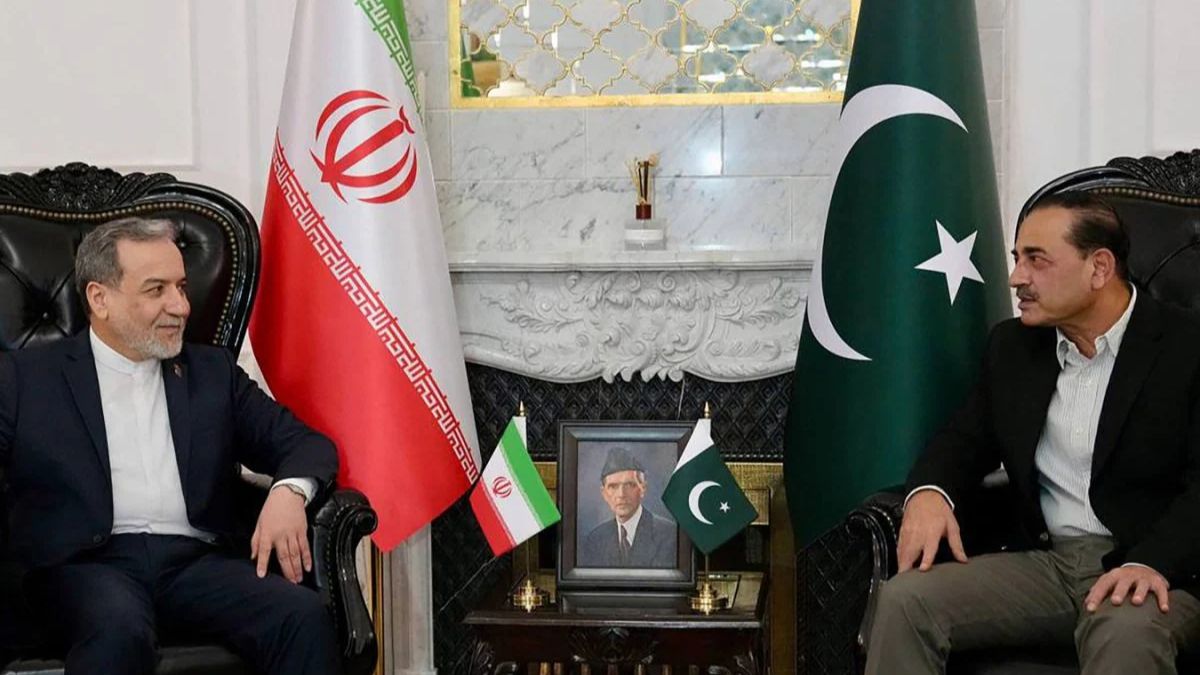
Iran responds to US peace proposal as Pakistan confirms behind-the-scenes diplomatic move

Pakistan Prime Minister Shehbaz Sharif on Sunday confirmed that Iran has formally conveyed its response to a United States peace proposal aimed at ending the ongoing conflict in West Asia, raising cautious hopes for diplomatic progress amid a fragile regional ceasefire.
Speaking during an official briefing, Sharif said Pakistan had received confirmation regarding Tehran’s response as regional and international powers continue efforts to prevent further escalation in the Middle East. However, he did not publicly disclose the contents of Iran’s reply or specify whether the response included conditions for a broader agreement.
The development comes after weeks of heightened military tensions involving Iran, the United States and Israel, which triggered fears of a wider regional war and disrupted shipping, energy markets and supply chains across the Gulf region.
According to Pakistani officials, Islamabad has remained engaged in diplomatic communication with multiple countries involved in the crisis and has repeatedly called for dialogue, restraint and an immediate de-escalation of hostilities. Pakistan has also expressed concern over the humanitarian and economic impact of continued instability in West Asia.
The latest diplomatic update follows recent statements by US President Donald Trump, who claimed that American operations had significantly weakened Iran’s military infrastructure and leadership. Trump earlier stated that the US had achieved “70 percent” of its objectives in Iran while warning that further military action remained possible if negotiations failed.
At the same time, Washington has also signalled willingness to pursue a negotiated settlement. US officials have reportedly been working with regional intermediaries and allies to maintain the ceasefire and reopen diplomatic channels with Tehran.
Iranian authorities have so far maintained a cautious public stance regarding the US proposal. Tehran has repeatedly insisted that any agreement must include guarantees related to sanctions, regional security and sovereignty issues. Iranian leaders have also accused the United States and Israel of escalating military tensions in the region.
The ceasefire currently in place across parts of West Asia remains fragile, with several international observers warning that even limited military incidents could derail ongoing diplomatic efforts. Concerns over disruptions in the Strait of Hormuz — a key global oil shipping route — have also continued to affect international energy markets.
Pakistan’s confirmation of Iran’s response is being viewed as one of the clearest indications so far that diplomatic communication between Tehran and Washington remains active despite recent military confrontations.
No official statement has yet been released by either the White House or the Iranian Foreign Ministry detailing the exact nature of the proposal or Tehran’s response. Regional diplomatic efforts are expected to continue in the coming days as global powers push to stabilise the situation.

Comments are closed.