

Follow these steps to reduce your exposure.
Reviewed by Dietitian Kelli McGrane, M.S., RD
Key Points
- Microplastics enter our food through contaminated water or soil or through plastic food packaging.
- After consumption, they accumulate in our brains.
- To reduce exposure, minimize food contact with plastic surfaces and avoid microwaving food in plastic.
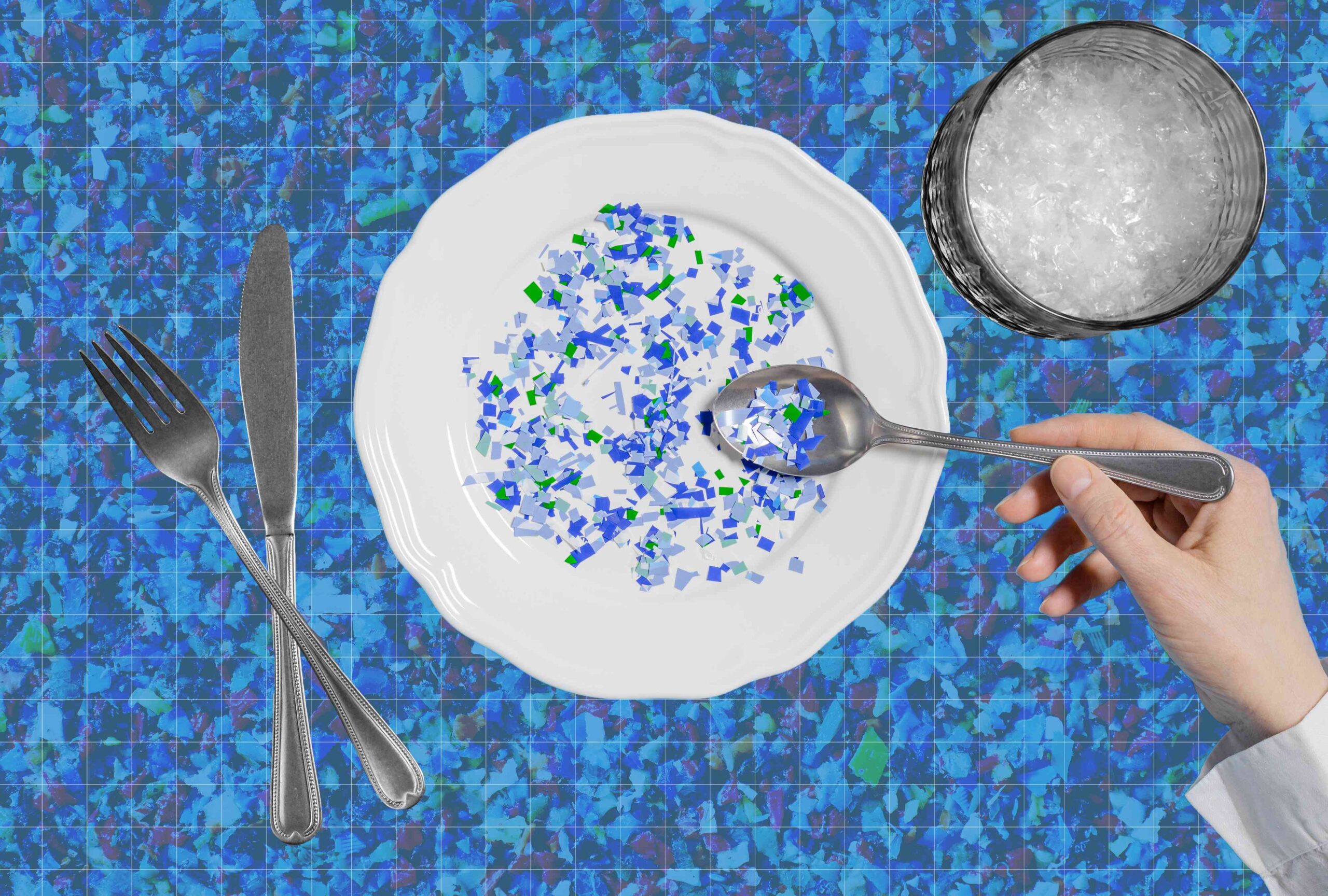
Microplastics are tiny plastic particles ranging in size from 5 millimeters to 1 nanometer. They can be intentionally added to products, like makeup and biomedical products, or they can be a result of larger plastic material being broken down, like plastic food wrap or containers. Microplastics have infiltrated virtually every ecosystem—from the ocean depths to the Antarctic tundra.
In 2024, scientists in New Mexico started looking closer to home: fifty-two autopsy samples from human brains. The results suggest that no part of the body is immune. Not only were the microplastics accumulating in the brains—even able to pass the blood-brain barrier—but the samples from 2024 had higher concentrations compared to 2016.
These tiny plastic particles are remnants of the world’s massive plastic supply, and so far, it’s unclear what their buildup in our bodies means for our health. However, I spoke to the experts, and while there’s no way to completely avoid microplastics, it turns out that there are ways to limit your exposure—especially when it comes to food.
Where Microplastics Come From
Plastic is everywhere. It’s use is so common, it’s nearly impossible to avoid it—or get rid of it. The majority of plastic waste is left to accumulate in landfills and the environment, an FDA official from the Human Foods Program told EatingWell in an interview. “Most plastics do not biodegrade and instead break down from weathering in the environment over time into microplastics,” they said.
From the landfill, microplastics infiltrate the groundwater. Or they can be carried by wind and rain into other water supplies and farmland. Sewage sludge, a byproduct of waste management that’s commonly used as fertilizer for croplands, forests, parks, golf courses and lawns, also contains a high concentration of microplastics.
Some of the food we eat also contains microplastics. “It’s coming from two sources: The environment—if the water or soil is contaminated with microplastics, they get into food—or it’s coming from the plastic containers and packaging,” said Lili He, Ph.D.an analytical chemist and head of the Department of Food Science at the University of Massachusetts Amherst.
One study reported that nearly 90% of samples from 16 different proteins contained microplastics, with significantly more particles found in highly processed proteins. The average number of microplastic particles was highest in seafood, followed by plant-based proteins like plant-based nuggets and tofu blocks and then meats like chicken and beef. Chicken breast measured the least contamination with an average of two microplastic particles per serving compared to the highest, breaded shrimp, with 370.
Microwaving may also increase your microplastic consumption. One study looked at six commonly used plastic containers and found that polypropylene containers—like those used in delis or for takeout—transfer the most microplastics into food. And microwaving food in these containers increased microplastic transfer by threefold.
Are Microplastics Dangerous?
Microplastics appear to be just as ubiquitous in the human body as they are in the environment. Studies have found them in human urine, stool, blood, breast milk and organs. But is this buildup in our bodies dangerous? “Unfortunately, we cannot give a definite answer,” said our FDA source. There’s not enough evidence to directly link microplastics to a disease. In the very least, early data suggests that the tiny plastic pieces aren’t beneficial. These early studies show that microplastics can potentially have an effect on the following:
- Inflammation. “There are studies showing microplastics can cause inflammation in a cell,” said the FDA source. One study suggests that microplastics taken from the ocean stimulate pro-inflammatory protein complexes in human mouth cells. This is concerning as inflammation is a driver of several disease processes, including diabetes, cancer, cardiovascular diseases, neurodegenerative disorders and chronic lung conditions like COPD.
- Digestion. Another study reported that microplastics in the gut can interrupt digestion and cause dysbiosis—an imbalance of beneficial and harmful bacteria. According to our FDA. source, this imbalance can foster pathogenic bacteria and prevent the gut from properly absorbing nutrients as it should.
- Heavy metal intake: Research also suggests that microplastics can act like a magnet for heavy metals, like arsenic, concentrating them and then carrying them into the food supply or our bodies. The FDA source adds that it can do the same thing with chemical pollutants like PFAS (“forever chemicals”) or pathogenic bacteria, making microplastics a food safety risk.
- Cancer rates. Some experts speculate that ingested microplastics could have a hand in rising cancer rates. A group of New Zealand researchers suggested that microplastics could be linked to the global rise in colon cancer among patients under 50. The microplastics, they said, could damage the colon’s mucosal layer and decrease its protective effect, making a person more vulnerable to cancer.
- Dementia. Researchers have also made a connection to dementia. Not only did the authors report significant microplastic concentrations in human brains, but they found that microplastic accumulation was even greater in the subgroup of brains that had been diagnosed with dementia.
Reducing Your Exposure to Microplastics
There’s no way to completely avoid microplastics. The good news is that there are steps you can take to reduce your exposure—especially in your food. Our FDA source says that one of the most effective ways to do this is by minimizing the number of plastic surfaces your food touches. Here’s how:
- Opt for glass blenders and food processors. When it’s time to replace your plastic blender or food processor, look for one with a thick glass pitcher. One study found that a plastic blender released billions of microplastic particles into juice after just 30 seconds.
- Ditch plastic water bottles. Investing in a nonplastic reusable water bottle is an easy—and cost-effective—way to cut down on your exposure to microplastics. A single liter of bottled water can house 100,000 microplastic particles.
- Be wary of tea bags. When exposed to hot water, food-grade nylon (the material used to make many tea bags) has been found to release seven times more microplastic particles than single-use plastic cups. Look for tea bags made from nonplastic materials, like plant-based hemp, or opt for loose-leaf tea.
- Use nonplastic cutting boards. Using a plastic cutting board is a surefire way to introduce microplastics into your food. Instead, opt for a wooden or metal one.
- Avoid putting plastic food containers in the microwave. While some plastics are safer than others for food storage, always transfer food into a glass or ceramic container before reheating.
- Use filtered water. The FDA source also recommends filtering your tap water. One study found that microfiltration devices do the best job, removing 78% to 100% of microplastics from drinking water.
- Bring reusable produce bags to the store. While you may already bring reusable grocery bags to the supermarket, it’s also worth investing in a set of cloth produce bags for loose fruits and vegetables.
Another area of caution is for seafood lovers. Our FDA source recommends being mindful of which parts of the animal you’re eating. Bivalves like clams and mussels may contain more microplastics since you eat the entire body—including its digestive system—versus eating a piece of fish.
Our Expert Take
Microplastics are everywhere. While it’s too soon to definitively say what the health effects are, it’s clear that these tiny plastics are accumulating in our bodies. The good news, if you want to minimize your microplastic consumption, is that there are actionable steps to do so. Start by swapping out plastic containers and tools for glass or steel, skip the bottled water and don’t put plastic in the microwave.
Frequently asked Questions
Can you avoid microplastics in your food?
You can’t completely avoid microplastics in food, but you can minimize your exposure with just a few tweaks to your kitchen equipment and shopping choices.
What foods are most likely to contain microplastics?
There’s been no data showing which foods are most likely to contain microplastics. But studies do show:
- Bottled water contains lots of microplastics.
- Highly processed proteins contain significantly more microplastics than minimally processed proteins.
- Seafood commonly contains microplastics (one study showed microplastics in 99% of samples).
- Microplastics have also been detected in a host of other foods, including beer, honey, salt, milk and fruit, among others.

Comments are closed.