
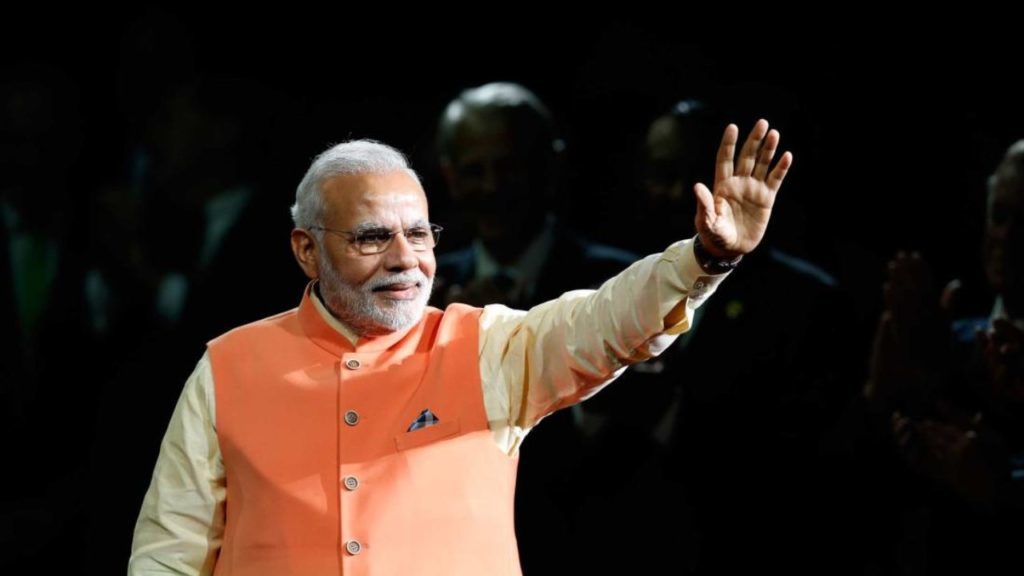

Prime Minister Narendra Modi has asked Indians to revive Covid-era work culture practices such as work-from-home, online meetings, and virtual conferences as rising geopolitical tensions in West Asia begin impacting the global economy, oil prices, and supply chains.
Speaking at a public event in Secunderabad, Telangana, PM Modi said the world is facing a serious economic situation due to prolonged conflict in West Asia, and India must prepare itself through collective public participation and responsible consumption.
The Prime Minister linked the appeal directly to:
- Rising crude oil prices
- Pressure on India’s foreign exchange reserves
- Increasing global uncertainty
- Fuel supply concerns
- Import dependency.
PM Modi Wants India To Bring Back Covid-Era Work Habits
During his speech, PM Modi said India had already successfully adapted to remote working systems during the Covid pandemic.
According to him:
- Work-from-home
- Online meetings
- Video conferences
- Virtual collaboration systems
…helped reduce unnecessary travel and fuel consumption during the pandemic years.
He reportedly said:
“Today, the need of the hour is that we restart those practices.”
The Prime Minister emphasized that reviving such systems again would now serve the “national interest” amid the ongoing global crisis.
Why PM Modi Is Asking People To Work From Home Again
The appeal comes amid growing concerns over the economic fallout from the escalating West Asia conflict.
According to reports:
- Global crude oil prices have surged sharply
- Shipping and supply chains are under pressure
- Fuel costs are rising internationally
- India’s import bill may increase significantly.
India remains heavily dependent on imported crude oil, making the country vulnerable to geopolitical disruptions in:
- Iran
- Strait of Hormuz
- Gulf shipping routes.
The Prime Minister said reducing fuel consumption has now become both:
- An economic necessity
and - A patriotic responsibility.
Fuel Conservation Became Central Theme Of Speech
PM Modi repeatedly stressed the importance of conserving petrol and diesel.
He urged citizens to:
- Use public transport more often
- Prefer metro rail systems
- Carpool whenever possible
- Use electric vehicles more frequently
- Shift freight movement towards railways.
The Prime Minister reportedly said:
“Petrol-diesel has become so expensive across the world.”
He argued that reducing fuel consumption would help:
- Save foreign exchange reserves
- Reduce import pressure
- Protect India’s economy from external shocks.
PM Modi Also Asked Indians To Reduce Foreign Travel
The Prime Minister’s speech went beyond work-from-home.
He also urged Indians to:
- Avoid unnecessary foreign travel
- Postpone overseas vacations
- Avoid destination weddings abroad
- Prioritize domestic tourism instead.
According to Modi:
- Foreign travel increases foreign currency outflow
- Domestic spending keeps money within India’s economy.
He reportedly appealed to citizens to avoid non-essential foreign trips for at least one year.
Gold Purchases Also Mentioned
One of the most widely discussed parts of the speech was PM Modi’s appeal regarding gold purchases.
The Prime Minister asked citizens:
- Not to buy gold for weddings for one year
…as gold imports significantly impact India’s foreign exchange reserves.
India is among the world’s largest gold importers, and gold buying often rises sharply during weddings and festive seasons.
According to Modi, reducing gold imports temporarily could help India manage foreign exchange pressure during the global crisis.
Could Work From Home Return Again?
The remarks have already sparked discussions around whether Indian companies may once again increase:
- Hybrid work models
- Remote working
- Virtual meetings
- Digital collaboration systems.
During Covid:
- Work-from-home significantly reduced traffic congestion
- Lowered fuel consumption
- Reduced office operating costs
- Accelerated digital transformation.
However, after the pandemic, many companies gradually shifted employees back to office-based work.
PM Modi’s comments may now reopen debates around:
- Productivity vs office presence
- Fuel savings
- Urban congestion
- Environmental impact
- Economic resilience.
Global Crisis Is Driving Economic Concerns
The Prime Minister’s remarks come at a time when:
- Global oil prices remain volatile
- Supply chains are facing disruptions
- Shipping costs are rising
- Energy markets remain unstable due to geopolitical tensions.
India imports a major portion of its:
- Crude oil
- LNG
- Fertilizer requirements.
Any prolonged disruption in West Asia can significantly impact:
- Inflation
- Fuel prices
- Transportation costs
- Trade deficit
- Economic growth.
PM Modi Framed Responsible Living As Patriotism
The broader message of the speech focused on economic discipline and national preparedness.
PM Modi encouraged citizens to adopt:
- Responsible consumption
- Sustainable practices
- Lower import dependency
- Energy-saving behavior.
He reportedly described these lifestyle changes as part of:
- National duty
- Economic resilience
- Collective responsibility during global uncertainty.
India Trying To Avoid Economic Shock
Despite the concerns, the government has repeatedly said:
- India’s economic fundamentals remain strong
- Fuel and coal supplies remain available
- Strategic reserves are being monitored closely.
However, the Prime Minister’s speech signals that the government is actively preparing the country for:
- Possible energy price shocks
- Global inflationary pressure
- Supply-chain disruptions
- Long-term geopolitical uncertainty.

Comments are closed.