
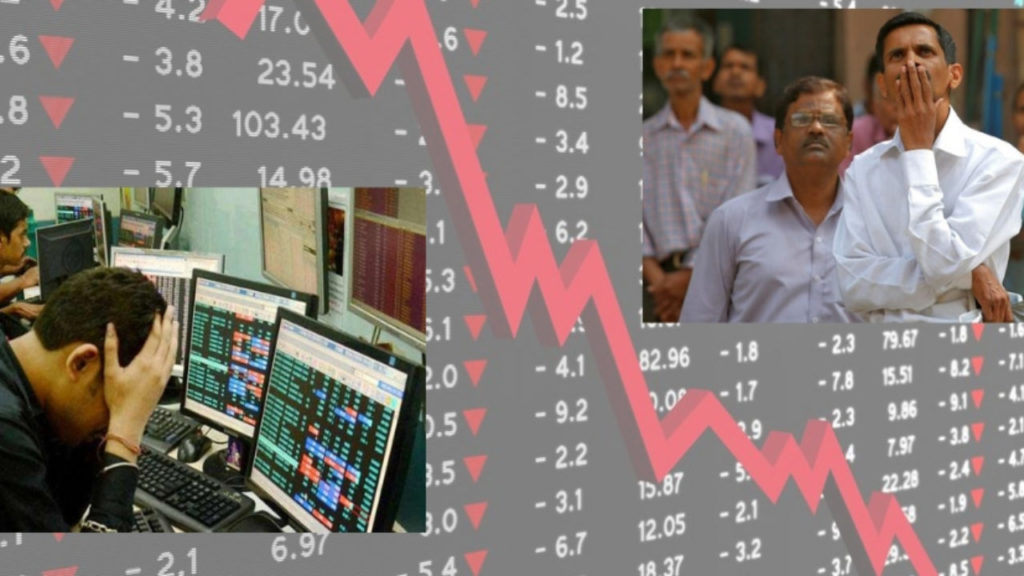

Dalal Street witnessed a brutal selloff after US President Donald Trump warned that the Iran ceasefire was “on life support,” reigniting fears of a wider Middle East conflict and pushing global crude oil prices sharply higher.
By market close:
The selloff marked one of the steepest market declines of 2026 and extended the indices’ longest losing streak since January.
Crude Oil Above $105 Became India’s Biggest Fear
The biggest trigger behind the market panic was the sudden spike in crude oil prices.
After Trump dismissed hopes of a stable Iran ceasefire, Brent crude surged above $105 per barrel amid fears that tensions around the Strait of Hormuz could disrupt global oil supplies.
The Strait of Hormuz is among the world’s most critical oil shipping routes, handling nearly one-fifth of global petroleum trade. Continued instability there immediately impacts energy-importing countries like India.
For India, this is especially dangerous because:
- India imports over 85% of its crude oil needs
- Higher oil prices increase inflation and fuel costs
- Rising import bills weaken the rupee and fiscal balance
As oil surged, the Indian rupee also hit a fresh lifetime low near 95.5 against the US dollar, worsening market sentiment further.
IT Stocks, Banks & Midcaps Hit Hard
The market decline was broad-based, but technology stocks emerged among the biggest losers.
Major laggards included:
- Tata Consultancy Services
- Infosys
- HCLTech
The Nifty IT index plunged sharply as investors worried about slowing global demand, weak US economic conditions, and rising uncertainty.
Midcap and smallcap stocks also suffered heavily:
- Nifty Midcap 150 fell over 2.5%
- Nifty Smallcap 250 extended losses for a second straight session
Why Global Markets Are Nervous
The US-Iran conflict has become one of the biggest risks for global markets in 2026.
Investors fear:
- Prolonged closure or disruption of the Strait of Hormuz
- Supply shortages in global oil markets
- Higher inflation worldwide
- Slower economic growth
- More volatility in equities and currencies
Reuters reported that oil prices remain highly unstable because the ceasefire situation is still fragile and supply disruptions continue.
Analysts now believe oil may remain above $100 for an extended period if geopolitical tensions worsen.
Why This Matters For India
India’s economy is highly sensitive to oil prices. Every major rise in crude affects:
- Petrol and diesel prices
- Inflation
- Transport and logistics costs
- Corporate profitability
- Government finances
That is why global geopolitical events — especially involving Iran and the Middle East — often trigger strong reactions in Indian stock markets.
For now, investors are closely watching:
- Whether the Iran ceasefire survives
- Future US military or diplomatic actions
- Oil price movements
- RBI and rupee stability measures
Because if crude prices remain elevated for long, India’s markets and economy could face sustained pressure in the coming months.

Comments are closed.