

Fayetteville residents are now aware that one data center utilized close to 30 million gallons of water without appropriate billing. It has made people increasingly concerned about the potential impacts of data centers, particularly those powered by artificial intelligence.
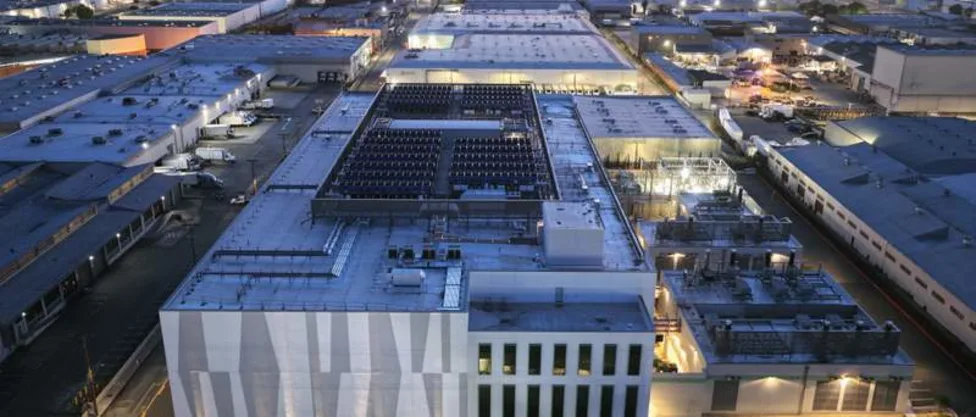
This case involves a data center campus owned by Quality Technology Services, often referred to as QTS. QTS runs its data center operations in Fayette County, located near Fayetteville. The situation arose after last year when residents started experiencing reduced water pressure within the neighboring Annelise Park subdivision.
County authorities found out there were two connections for industrial-level water supplies linked to the QTS campus. According to records obtained through an open-records request, one water connection was apparently set up without informing the water utility company. Another connection to the water utility system did not appear on QTS’ billing account.
Fayette County’s $147k Billing Blunder Sparks Outcry
In a letter sent to QTS, county authorities billed the company $147,474 for the more than 29 million gallons of water consumption. The company was informed that the estimated duration of missed billing was approximately four months. On their part, QTS suggested that the period could be from nine to 15 months.
The company has since paid the fees once they were informed by the officials. QTS has indicated that the problem could have arisen due to the roll-out of smart meters in Fayette County. The county officials went ahead to describe the incident as an operational error and not any misuse.
However, the residents are still irate.
This was mainly following the social media post made by attorney-at-law James Clifton, who showed a letter from the county. The irritation among the citizens was that there were notices informing households to minimize water usage due to the prevailing conditions.
While all of this was happening, most of Georgia was experiencing water shortages. The governor of the state, Brian Kemp, had to declare a state of emergency after the rampant fires that hit some parts of Georgia in April. This, therefore, explains why there was a lot of resentment with regards to the massive wastage of gallons.
The dispute also comes at a time when there is controversy regarding the rise in data centers across America. Currently, Georgia alone has over 200 data centers providing cloud computing services that use large volumes of power and water.
Water usage has emerged as one of the main issues.
Data Center vs. Resources: Fayetteville’s High Stakes
Several data centers depend on cooling systems that employ water in order to avoid overworking servers. The amount consumed depends on how large and complex the center is. It may amount to several million gallons per day. This may affect the available water and power supply in rapidly developing areas with poor infrastructure.
According to QTS, its Fayetteville campus utilizes a closed-loop system for cooling. QTS representatives claim that this system helps reduce water consumption drastically after the facility is completed. However, the high water consumption associated with the unpaid bill was attributed to temporary construction activity, not operations.
Still, opponents claim that the sheer size of the project raises questions.
The campus spans about 615 acres and may consist of up to sixteen buildings. It will become one of the largest data center projects in America if built. Supporters of the project emphasize the substantial income from taxes that it may bring to the region. They also mention job and business opportunities created by the development.
However, residents believe that the drawbacks will exceed any gains from the project.
The Growing Regulatory Tension in Fayette County
Firstly, they are afraid that the data center will cause additional stress to the water supply, road network, and electricity infrastructure. Second, many residents have noted that it is not the first violation of the county’s water laws but that no penalty was imposed. According to specialists, it is rather uncommon for a utility not to impose fines on unauthorized hook-ups and industrial water use.
The officials justify themselves with the fact that the QTS company is the biggest client of the water supply system, and they should keep cooperating.
This controversy has prompted local authorities to make some moves. In particular, in April, the Fayetteville City Council decided to stop approving any new projects for data centers in the area because it should develop some new regulations.
The situation in Fayette County may trigger many similar initiatives across the United States. Firstly, local governments may require stricter reports on water and energy use. Secondly, they may introduce some restrictions in consumption, impose penalties, and conduct more supervision before giving approval for new buildings.

Comments are closed.