
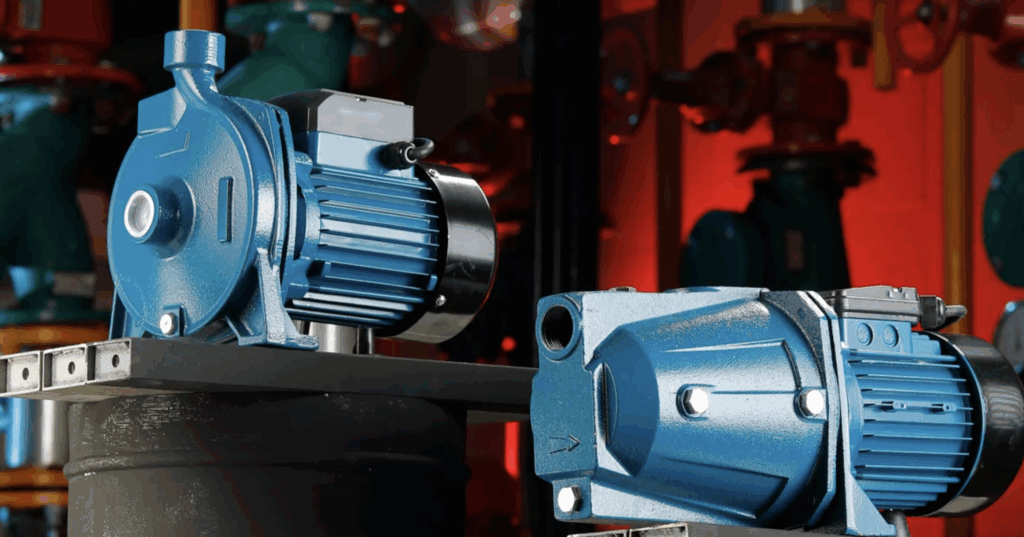

Mumbai’s worsening water situation has now prompted the Brihanmumbai Municipal Corporation (BMC) to issue a stern warning against residents illegally using electric pumps to siphon extra water directly from pipelines and tap connections. The civic body has announced strict enforcement measures, including:
- Criminal cases
- Heavy penalties
- Seizure of illegal pumps
- Water supply disconnection for repeat offenders.
The warning comes just as Mumbai officially began a:
- 10% precautionary water cut from May 15.
Why Mumbai Suddenly Imposed Water Cuts
According to BMC data:
- Mumbai’s seven reservoirs currently hold only:
- 340,399 million litres of usable water
- This is just:
- 23.52% of the city’s annual required stock of 14,47,363 million litres.
The decision was taken because:
- Reservoir levels are falling rapidly before monsoon arrival
- IMD forecasts suggest:
- Possible below-normal rainfall
- El Niño and Indian Ocean Dipole (IOD) impacts this year.
Mumbai depends on water from:
- Tulsi
- Vihar
- Bhatsa
- Modak Sagar
- Tansa
- Upper Vaitarna
- Middle Vaitarna lakes.
Why Electric Pumps Became A Major Problem
BMC inspections reportedly found several residents and establishments using:
- Electric suction pumps directly attached to pipelines
- Illegal motorized extraction systems.
Officials say these practices:
- Reduce water pressure in neighbouring buildings
- Cause unequal distribution
- Increase contamination risks inside pipelines
- Put extra stress on the distribution network.
Additional Municipal Commissioner Abhijit Bangar reportedly directed engineers and ward officials to:
- Intensify inspections
- Prepare ward-wise monitoring plans
- Identify vulnerable low-pressure zones.
Which Areas Could Face Bigger Problems
BMC officials warned that:
- Elevated localities
- Tail-end supply zones
- Dense residential clusters
…may experience:
- Low-pressure supply
- Irregular water timings
- Reduced flow during peak hours.
The situation could worsen if:
- Monsoon arrival gets delayed
- Rainfall remains below normal in June.
Mumbai’s Water Stress Is Becoming More Serious
Mumbai has faced repeated:
- Water shortages
- Pipeline failures
- Tanker dependence
- Supply disruptions
…over the past few years. Recently:
- South Mumbai areas faced severe shortages after major pipeline repair work disruptions.
Meanwhile:
- Population growth
- Construction expansion
- Rising commercial demand
…continue increasing pressure on Mumbai’s aging water infrastructure.
Citizens Asked To Reduce Consumption
BMC has appealed to Mumbaikars to:
- Use water carefully
- Avoid wastage
- Cooperate during rationing
- Report illegal extraction practices.
Officials also said:
- Field engineers will remain on-site
- Complaint response systems will be strengthened
- Monitoring will continue throughout the rationing period.
Why This Matters
Mumbai’s water cut reflects a growing reality across major Indian cities:
Urban infrastructure is struggling to keep pace with climate uncertainty and rising demand.
The bigger concern is not just a temporary 10% cut.
It is the increasing vulnerability of megacities like Mumbai to:
- Weak monsoons
- Climate variability
- Water infrastructure stress
- Unequal distribution systems.
Image Source

Comments are closed.