
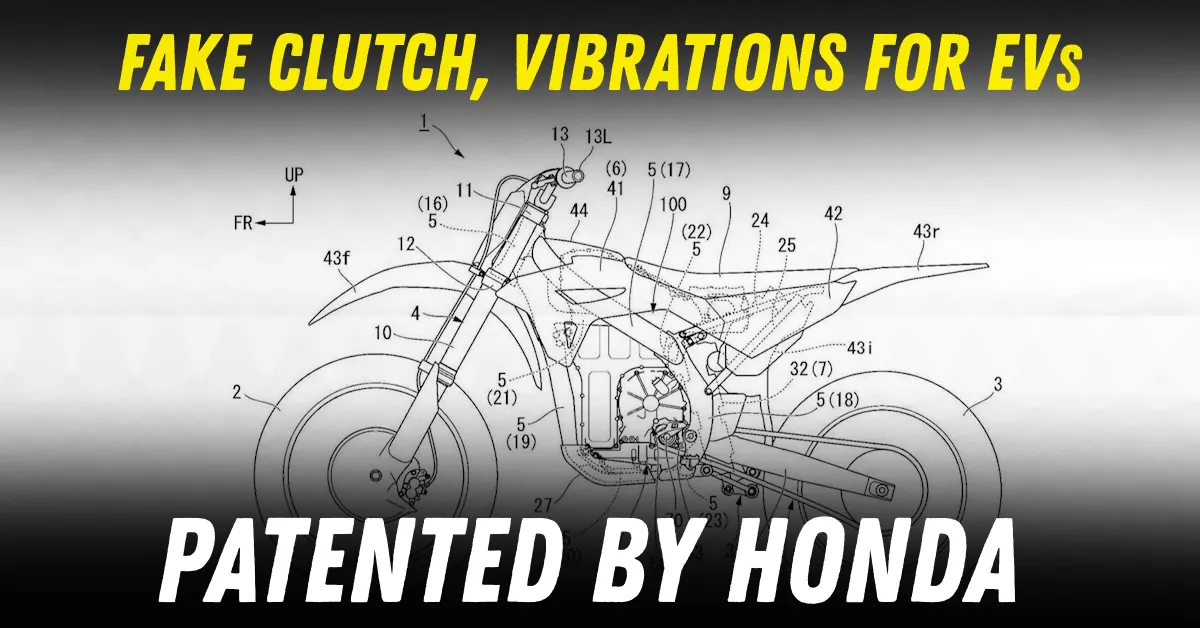

Honda has filed a patent for a system that simulates a clutch lever, gear shifts, and engine vibration on an electric motorcycle, creating the physical sensations of riding a conventional petrol bike even though none of those mechanical components actually exist under the bodywork. The patent, filed with the Japan Patent Office, describes a “pseudo-clutch mechanism” and an artificial flywheel system designed to make an electric motorcycle feel like a manual transmission bike to the rider.
This is not about improving electric motorcycle performance. The range, power delivery, and mechanical behaviour of the bike remain unchanged. This is purely about feel, specifically recreating the tactile and physical feedback that experienced riders associate with operating a clutch, selecting gears, and feeling an engine’s rotating mass through the footpegs and handlebars.
The pseudo-clutch operates through a lever on the left handlebar, identical in position to a conventional clutch. When a rider pulls it and then releases it while feeding in the throttle, the system simulates the resistance, engagement point, and slip feel of a real clutch plate.
There is also an artificial flywheel, which uses a motor-driven rotating mass to generate the gyroscopic and inertial effects that a spinning petrol engine normally produces. Riders who have spent years on manual motorcycles will recognise this as the subtle resistance and momentum that comes from the engine’s spinning components.
Additionally, the patent covers synthetic vibration generation. A petrol engine at idle or under load produces vibrations that travel through the frame, seat, and handlebars. Electric motors do not. Honda’s system uses actuators to recreate these vibrations at frequencies and intensities that mimic what a given engine configuration would produce.
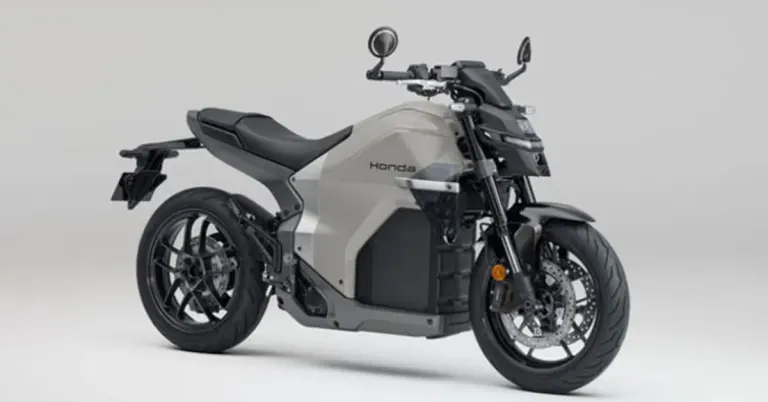
The target rider for this system is not someone who has never ridden a bike before. It is the large population of experienced motorcyclists who have spent years, sometimes decades, on manual transmission bikes and find electric motorcycles feel disconnected, incomplete, or simply unfamiliar.
Throttle response on an electric bike is instant and linear, which sounds appealing but removes the entire learned vocabulary of clutch slip, gear selection, and engine braking that a seasoned rider uses instinctively to place a motorcycle precisely where they want it in a corner or during slow-speed manoeuvring.
The manual motorcycle market here remains enormous. The majority of experienced riders on the road today learned on and continue to ride manual bikes.
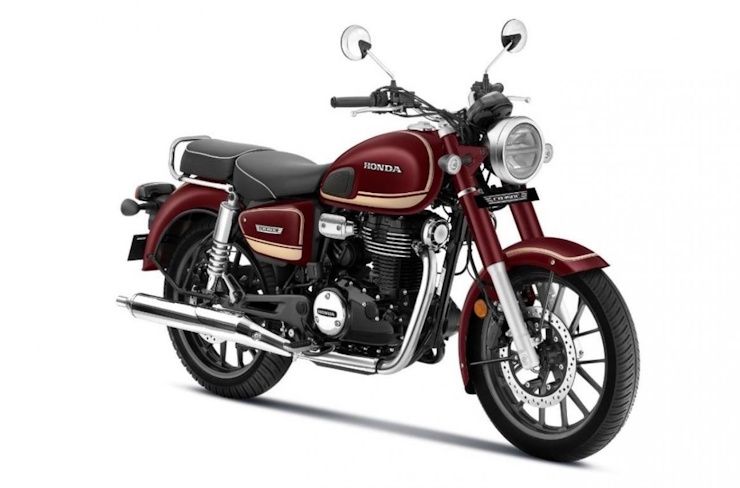
For Honda, which sells the CB series, the Hornet, and the H’ness CB350 in the enthusiast segment, convincing this audience to switch to an electric model is a commercial problem as much as a technical one.
A system that lets a rider carry over their existing muscle memory and riding instincts onto an electric platform removes one of the most cited non-price objections to electric motorcycle adoption.
It is worth being clear about what a patent filing means. Honda has protected the intellectual property around this concept. It has not announced a production model featuring this system, nor confirmed a timeline for when or whether it will appear on a motorcycle available for sale. Carmakers and bike makers file patents constantly, many of which never reach production.
That said, Honda is not the first manufacturer to think along these lines. Kawasaki has previously demonstrated a manual transmission electric concept, and several smaller EV brands have explored simulated gear engagement. The fact that Honda is pursuing this at a patent level suggests the engineering work is serious enough to protect, even if the production decision has not been made.
For riders who have resisted electric motorcycles specifically because of what they would lose in the riding experience, Honda’s patent at least signals that big two wheeler giants are taking their views seriously.
Via AMCN
Comments are closed.