
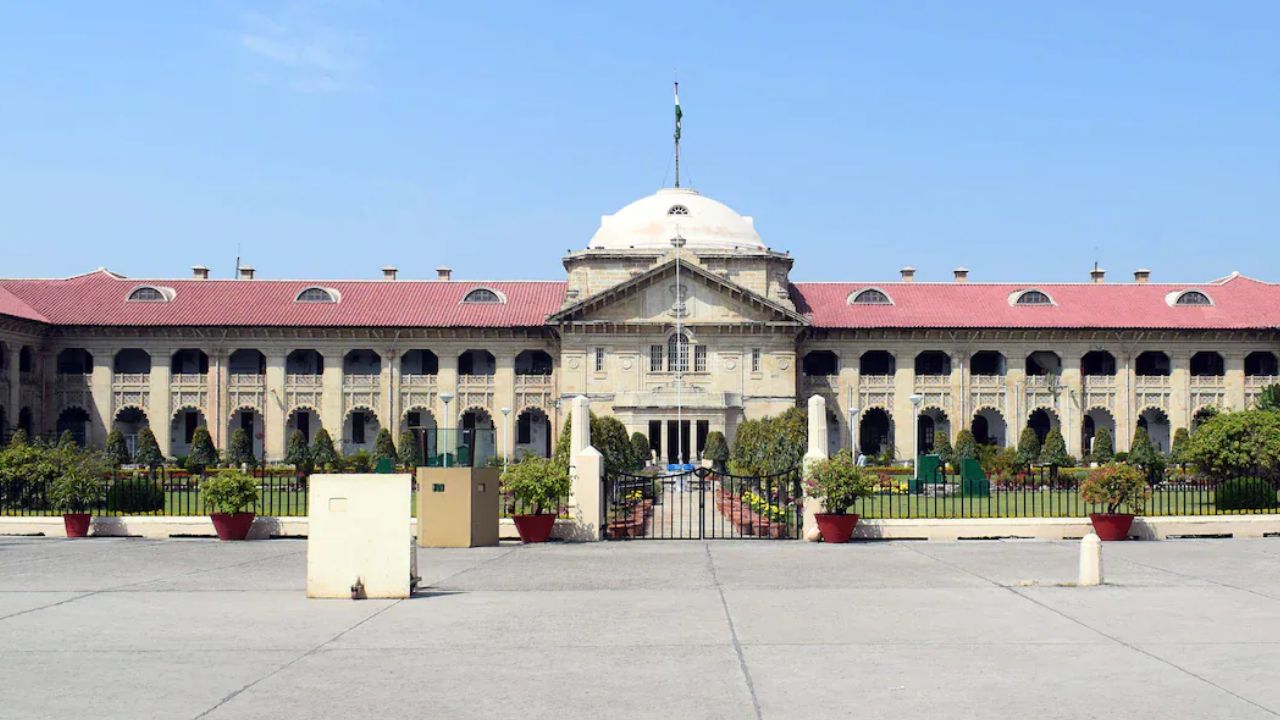

The Allahabad High Court has said that throwing non-vegetarian food waste in the Ganga river can hurt the religious sentiments of the Hindu community. The court has granted bail to eight Muslim youth arrested for organizing Iftar party on a boat in river Ganga in Varanasi, eating non-veg and throwing leftover garbage in the river.
The court said in its order that the accused are apologizing for their actions and their families are also expressing regret for the grief caused to the society. On May 15, Justice Rajiv Lochan Shukla granted bail to five accused, while Justice Jitendra Kumar Sinha granted bail to three others.
Also read: ‘Maternity leave for the second time in 2 years’, Allahabad High Court gives important decision
Why has the court granted bail?
Six other accused have not got bail yet. Justice Rajeev Lochan Shukla said in a 16-page order that the accused have no previous criminal record. He has been in jail for a long time and has also apologized. Justice Rajeev Lochan Shukla said that hence he can be granted bail.
17 people were arrested at Iftar party
A total of 14 people who were having an Iftar party in Ganga were arrested on March 17. The police had taken action on the complaint of Bharatiya Janata Party Yuva Morcha district president Rajat Jaiswal. There was a lot of uproar on social media regarding this matter.
What are the allegations?
Many serious charges were leveled against the accused like inciting religious sentiments, public nuisance, polluting river water and desecrating a religious place. The lawyers had said that the accused were trying to defile the Ganga as well as disturb the communal harmony by making the video.
Also read: ‘Prosecute the person who files false FIR’, Allahabad High Court gives instructions to police
Under which sections the action was taken?
Several serious sections of the Indian Justice Code (BNS) and Water Pollution Prevention Act have been imposed on the accused. Action was taken against him in several cases involving disturbing social harmony, damaging public property and hurting religious sentiments. Section 196(1)(b) has been imposed on the accused which relates to promoting enmity between different groups. Section 270 deals with creating public nuisance and Section 279 deals with polluting public water sources or reservoirs.
Section 298 for desecrating or causing damage to religious places and Section 299 for intentionally hurting religious sentiments have also been imposed. A case has also been registered under Section 223 (b) for disobedience to the order of a public servant and Section 24 of the Water Act, 1974 for prohibition of spreading pollution in rivers or water sources.

Comments are closed.