
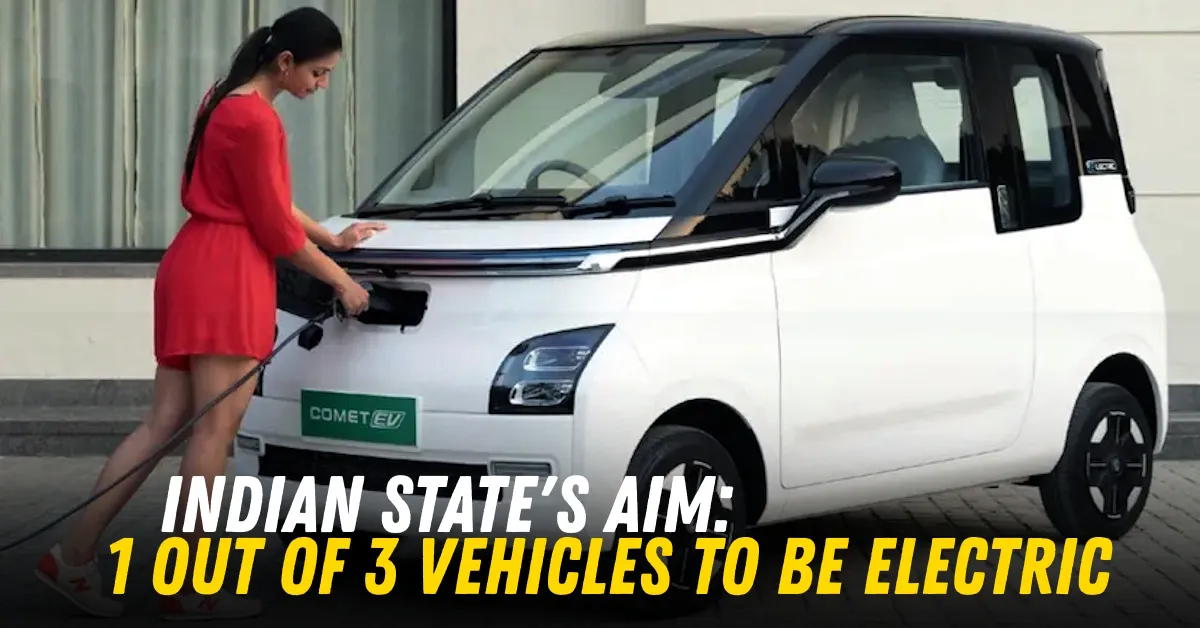

Bihar has set itself a hard target. By 2030, the state government wants at least 30% of all new vehicles sold within its borders to be electric. The Bihar cabinet, chaired by Chief Minister Samrat Choudhary, approved amendments to its existing Electric Vehicle policy on May 13 to make this happen.
The state is not just revising numbers on paper. It has also cleared a set of direct incentives and infrastructure provisions to push actual uptake. Officials estimate that if the 30% target is achieved, Bihar could save around 10 crore litres of petrol and diesel annually by 2030. That gives the policy a clear fuel-saving and pollution-reduction angle, beyond the usual EV adoption language.
The financial muscle behind this policy comes through the Chief Minister Bihar Environment-Friendly Transport Employment Scheme. Under this scheme, incentives will be transferred directly to buyers through Direct Benefit Transfer, so the money reaches the buyer rather than sitting in subsidy queues.

The scheme covers three buyer categories: commercial goods-carrying electric vehicles, electric two-wheelers for women and other eligible beneficiaries, and non-commercial electric four-wheelers exclusively for women.
The targeting of women buyers for both two-wheelers and non-commercial cars is a specific policy choice, not a broad inclusion measure. Women buying electric four-wheelers are set to get a subsidy of Rs 1 lakh, while women buying electric two-wheelers are eligible for Rs 12,000. It reflects a dual objective: getting more women into formal mobility and building a base of EV ownership in segments that have historically had lower vehicle penetration in the state.
Getting to 30% EV share is not just about subsidising purchase. The bigger challenge in a state like Bihar is charging availability.
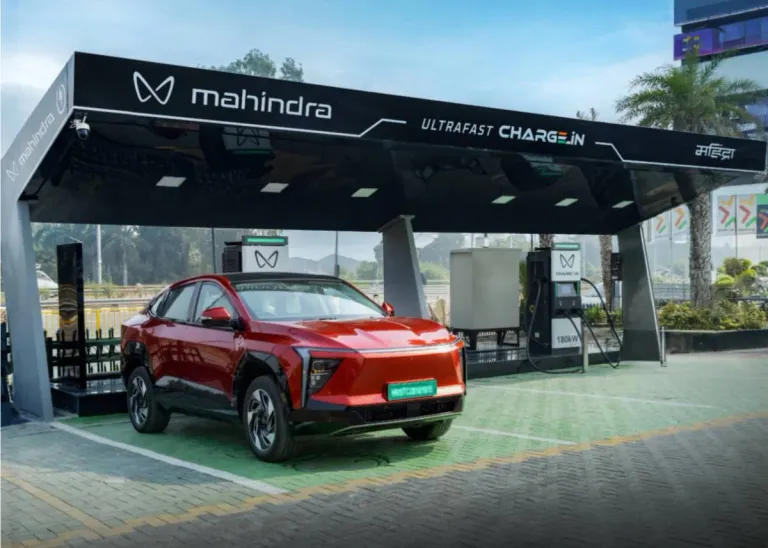
The policy amendment includes financial assistance for setting up EV charging stations. Beyond what the state can fund directly, the government has left the door open to tap central funding.
The Bihar Transport Department has indicated it may approach the Ministry of Heavy Industries for grants under the PM E-DRIVE scheme to build public charging infrastructure.
PM E-DRIVE is a central programme aimed at promoting EV adoption by funding charging infrastructure, primarily for public access. It has a Rs 2,000 crore national allocation for electric vehicle public charging stations. Bihar drawing from this scheme, if approved, would mean the state does not have to carry the full financial burden of the charging network rollout.
A 30% EV share target by 2030 is ambitious when measured against where Bihar actually stands today. The state does not publish monthly EV registration data in a form that allows clean comparison, but broader state-level data from the Vahan portal consistently shows Bihar lagging behind more urbanised states like Karnataka, Maharashtra, and Delhi in EV penetration. The gap is large.
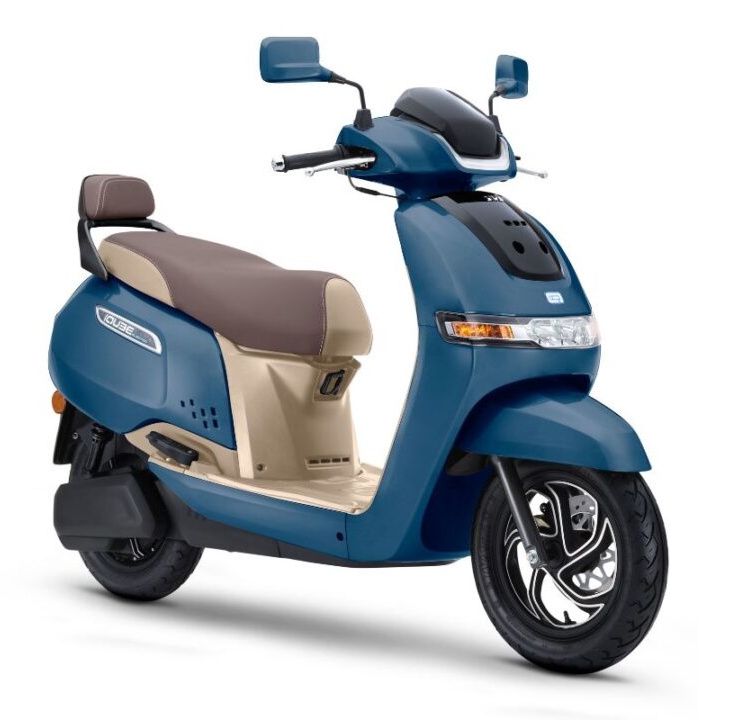
The 30% goal covers all vehicle categories, including commercial goods carriers and two-wheelers. Two-wheelers are the highest-volume category in the state, and the economics of electric two-wheelers have improved significantly over the past three years.
Entry-level electric scooters from brands like Ola Electric, TVS, and Bajaj are now available under Rs 1 lakh, making them affordable in semi-urban and smaller-town markets that make up a large share of Bihar’s vehicle buying base. If two-wheeler EV adoption accelerates, it could carry a significant portion of the 30% target almost on its own.
Commercial goods vehicles are the other lever. These are high-utilisation vehicles, and the fuel cost savings for fleet operators are real and quantifiable. With direct DBT incentives now on the table, fleet and small-business buyers have a reason to run the numbers.
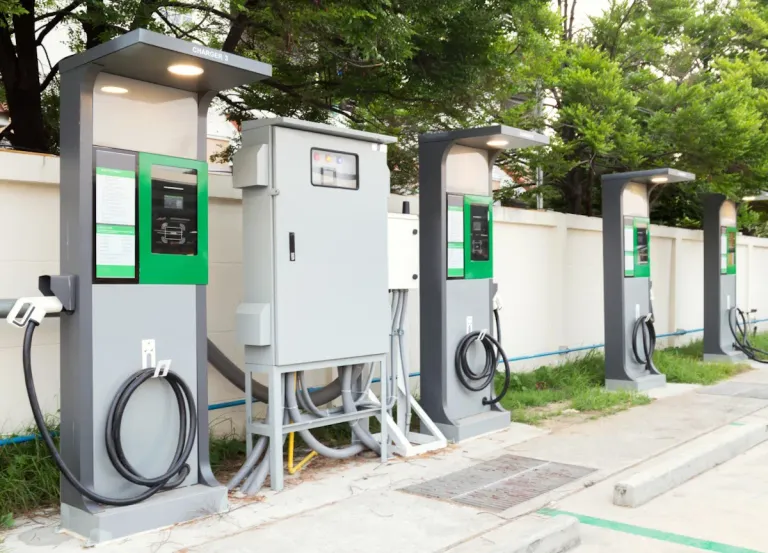
The harder part is the charging layer. Incentivising purchases without a corresponding expansion of charging infrastructure tends to produce owner frustration after the first few months of use.
For Bihar, the issue is not only Patna. The policy will need visible charging access across district towns, commercial routes and smaller markets where two-wheelers and goods carriers do most of the daily work.
Whether the state can build out enough public charging points in the next four years, especially outside Patna, will determine whether this policy actually achieves its goals.
Comments are closed.