
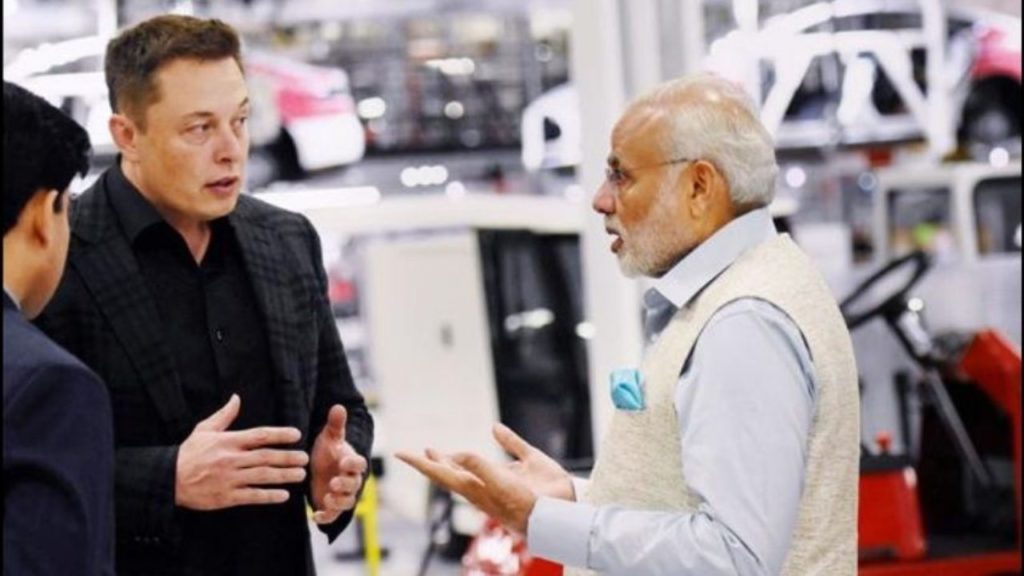

After years of speculation, meetings, and negotiations, Elon Musk-led Tesla has reportedly decided not to move forward with plans to build a manufacturing factory in India.
The confirmation came from India’s Ministry of Heavy Industries, marking a major setback for the country’s ambitions to attract one of the world’s biggest electric vehicle manufacturers. The development also triggered strong reactions across the global business and automotive sectors, as India was previously viewed as a strategic growth market for Tesla.
Tesla shares also witnessed pressure in the market, closing down nearly 3% during the latest trading session in the United States.
Why Tesla Walked Away From India
Industry analysts believe the decision was driven by a combination of economic, operational, and policy-related challenges.
One of the biggest disagreements reportedly revolved around import duties. Tesla wanted India to reduce tariffs on imported electric vehicles before committing to large-scale manufacturing investments. However, Indian authorities preferred Tesla to establish a local factory first before offering major policy relaxations.
This deadlock became one of the central reasons negotiations failed to move forward.
Experts also pointed toward India’s developing EV ecosystem. Compared to countries like China, Tesla reportedly found India’s supply chain ecosystem relatively immature for high-volume EV production. Battery sourcing, semiconductor availability, component manufacturing, and logistics infrastructure remain underdeveloped in several areas.
Infrastructure concerns also played a key role. India’s charging network is still expanding, and analysts believe the country may not yet offer the level of nationwide EV support infrastructure Tesla expects for aggressive expansion.
India’s Market May Not Match Tesla’s Premium Strategy
Another major issue was market positioning. Tesla’s vehicles are considered premium products globally, while India remains an extremely price-sensitive automobile market.
Even after local production, experts questioned whether Tesla could achieve sufficient sales volumes at profitable pricing levels. The majority of Indian car buyers continue to prefer affordable vehicles, with budget-conscious purchasing behavior dominating the market.
Several analysts believe Tesla may have struggled to compete against lower-cost electric vehicle manufacturers already operating in India or preparing to enter the segment aggressively.
Domestic automakers and emerging EV startups have increasingly focused on compact and affordable electric vehicles tailored specifically for Indian consumers, creating additional competitive pressure.
The Backstory: Tesla And India’s Long Relationship
Tesla’s India journey has been filled with excitement, delays, and uncertainty for several years.
The company first showed serious interest in entering India around 2021, when Elon Musk publicly discussed launching Tesla vehicles in the country. Initial plans reportedly focused on importing cars first before eventually evaluating local manufacturing opportunities.
However, high import duties quickly became a major issue. India imposes steep taxes on imported luxury vehicles to encourage domestic manufacturing under its “Make in India” initiative.
Tesla argued that temporarily lowering duties would help the company test demand before investing billions into a local factory. The Indian government, on the other hand, wanted Tesla to commit to manufacturing locally from the beginning.
Over time, negotiations slowed down despite multiple rounds of discussions between Tesla executives and Indian officials.
There were moments when optimism returned. Reports emerged about potential factory locations in states like Gujarat, Maharashtra, and Tamil Nadu. Elon Musk was also expected to visit India at one stage to announce investments, but the visit never materialized.
Meanwhile, Tesla shifted greater focus toward expanding operations in markets where EV infrastructure, supply chains, and policy frameworks were already more mature.
What This Means For India’s EV Ambitions
Tesla’s exit may not significantly slow India’s EV growth story, but it does highlight the challenges global companies face while entering the country’s manufacturing ecosystem.
India continues to push aggressively toward electric mobility through subsidies, incentives, and domestic manufacturing programs. Companies including Tata Motors, Mahindra & Mahindra, and several startups are already expanding their EV presence rapidly.
However, Tesla’s decision also sends a broader message about the need for stronger supply chains, stable policies, faster infrastructure development, and globally competitive manufacturing ecosystems if India wants to attract large-scale international EV investments in the future.

Comments are closed.