

The couple had initially planned to invest just VND1 billion, hoping to capitalize on the booming farmstay trend at the time. Their vision was filled with dreamy ideas: one area for flowers, another for a wooden deck furnished with a table and chairs for morning and afternoon tea, and another with an outdoor oven for grilling meat at night.
Once they committed to the plan, there was no turning back. They kept spending more money on decorations and construction to add to the project. Since the couple were based in the city, they also had to hire staff to maintain the property, manage guests and handle advertising and services. In the end, my friend sank more than VND3.5 billion into the farmstay.
Around 30% of the guests in the first year were friends and acquaintances visiting mainly to support them.
Another couple we both know once told me: “I wish we had land and money to build something like that.”
I immediately replied: “If you have money, just build a nice garden house for yourself to enjoy. Once you turn it into a business, you end up spending even more and cannot stay there whenever you want.”
After opening, my friend and his wife struggled to keep up with the monthly costs, including employee salaries and maintenance and operating expenses.
The place only managed to stay in operation for roughly two years before the couple’s vision of “a place to relax and heal” effectively came to an end. In the last few months of business, they even launched several promotions but nothing helped.
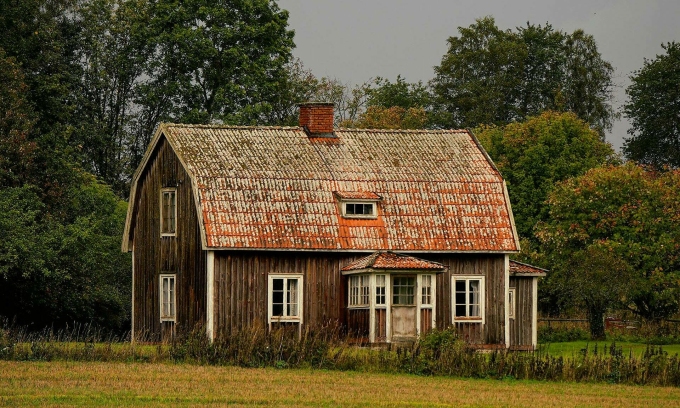
Starting a farmstay can turn into a costly failure without careful planning. Illustration photo by Pexels |
Why do many homestays and farmstays fail? In my opinion, it is because some owners build their businesses around their own fantasies and personal tastes rather than what their target customers actually want.
Farmstays originated in Italy in the last century as a model combining agriculture and tourism. Farmers would open part of their farms to visitors, providing tourists with both accommodation and experiences while still carrying on with agricultural production.
The key words here are “farmers,” “farms,” and “combining agriculture with tourism.” That alone explains why the trend has faded and why city couples who pour billions into farmstay projects often fail.
And while young people on social media often say they like the idea of traveling to relaxed, “healing” destinations, many would not actually choose to stay at such places for long.
Instead, they usually prefer itineraries that briefly stop at multiple locations, allowing them to take hundreds of photos before settling into a café to sort through the pictures and gradually post them on social media.
There can be many other reasons why such businesses fail if owners do not plan carefully. It might make more sense to invest in a small hotel instead to attract tour groups, since travel companies rarely bring tours to farmstays.
My friend’s farmstay has now reverted to being just a coffee farm again, leaving him bitter over the billions of dong that were effectively thrown out the window.
*This story was submitted by a reader and translated into English. Readers’ views are personal and do not necessarily match VnExpress’ viewpoints.

Comments are closed.