
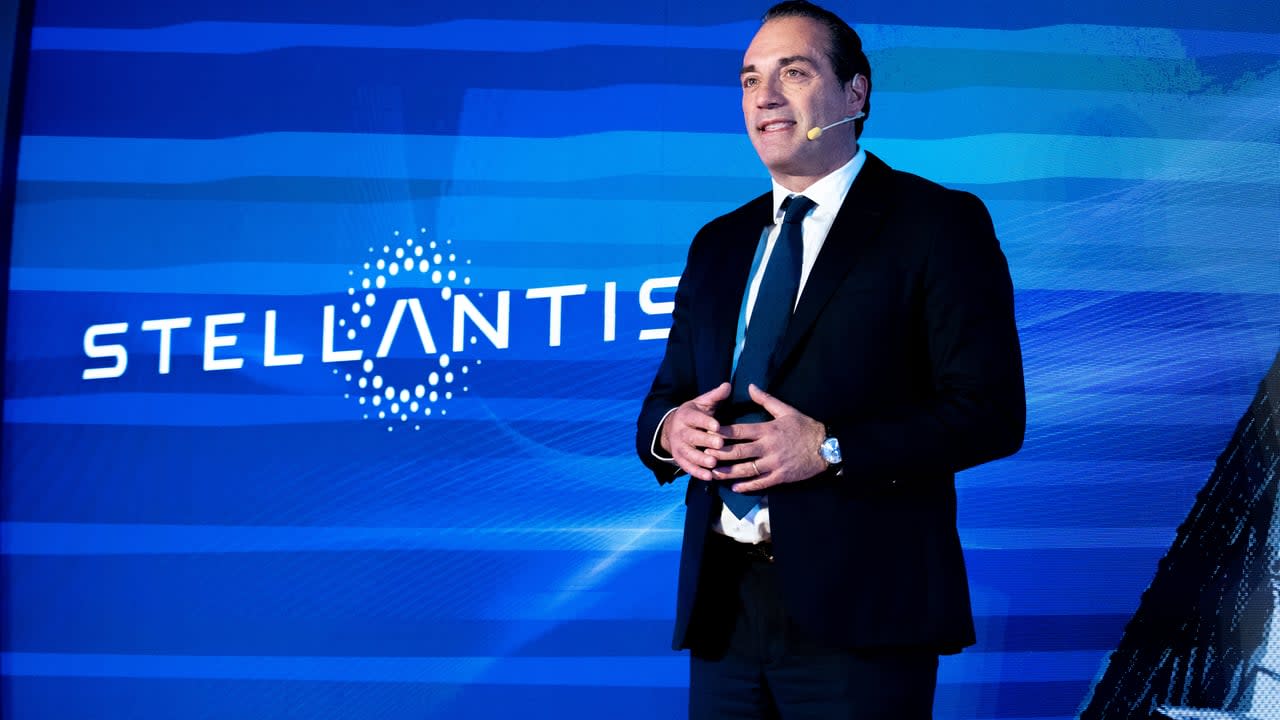

Global automotive giant Stellar has announced an aggressive five-year transformation roadmap worth more than $69 billion, signaling one of the biggest shake-ups in the automotive industry in recent years.
The strategy, called FaSTLAne 2030aims to overhaul the company’s global product lineup, manufacturing footprint, and technology ecosystem as it attempts to regain momentum in an increasingly competitive auto market.
The announcement comes months after Stellantis revealed a separate $13 billion investment plan focused on the United States. Now, the company is significantly raising the stakes with a broader global push that touches nearly every part of its business.
More Than 60 New Vehicles Incoming
At the center of the plan is a massive product offensive. Stellantis confirmed it will launch more than 60 new vehicles globally while refreshing another 50 existing models over the next five years.
The lineup expansion will include a wide mix of electrified and traditional powertrains. The company plans to introduce 29 electric vehicles, 15 plug-in hybrids or range-extended EVs, 24 hybrid models, and 39 gasoline-powered vehicles.
While Stellantis has not yet revealed which brands will receive the largest share of these new products, the strategy clearly reflects a multi-energy approach instead of an all-electric-only future.
United States to Receive the Largest Investment
The United States will play a major role in Stellantis’ future plans. The automaker said it will invest nearly $41 billion in the American market alone, accounting for roughly 60% of the company’s total global investment through 2030.
Stellantis aims to increase its U.S. market coverage by 50% while boosting regional sales volume by 35%.
Affordability also appears to be a key focus. The company confirmed that seven new vehicles priced below $40,000 will be launched in the U.S., along with two models expected to cost under $30,000.
That move could help Stellantis attract younger buyers and compete more effectively in the growing affordable EV and hybrid segment.
Brand Strategy Gets a Major Shake-Up
The company also revealed a major restructuring of its brand hierarchy.
According to Stellantis, Jeep, Ram, Peugeotand Fiat will now serve as its four primary global brands.
Meanwhile, Chrysler, Dodge, Citroën, Opeland Alfa Romeo are being repositioned as regional brands.
Luxury marque Maserati will continue as a “pure luxury brand,” with two new midsize vehicles expected to join its portfolio. Stellantis said a detailed roadmap for Maserati’s future will be revealed later this year.
Faster Development and New Technology Platform
Beyond products, Stellantis is also targeting operational efficiency.
Vehicle development timelines are expected to shrink dramatically, dropping from 40 months to just 24 months. This could allow the company to respond faster to changing market trends and consumer demands.
The automaker also confirmed plans to invest more than $27 billion into global platforms, powertrains, and advanced technologies.
A major part of that investment will support a new modular architecture called STLA Onewhich is designed to support multiple powertrain types across global markets.
Production Efficiency Takes Priority
Stellantis said improving factory efficiency will be another major objective under FaSTLAne 2030.
In Europe, production capacity is expected to decrease by around 80,000 units, but factory utilization is projected to rise from 60% to 80% by the end of the decade.
In the United States, production volumes are expected to increase significantly, with factory utilization also targeted to hit 80% by 2030.
With the automotive industry rapidly shifting toward electrification, affordability, and software-driven vehicles, Stellantis is clearly preparing for a long and expensive battle to stay ahead of rivals in the global market.

Comments are closed.