

CLAIM:
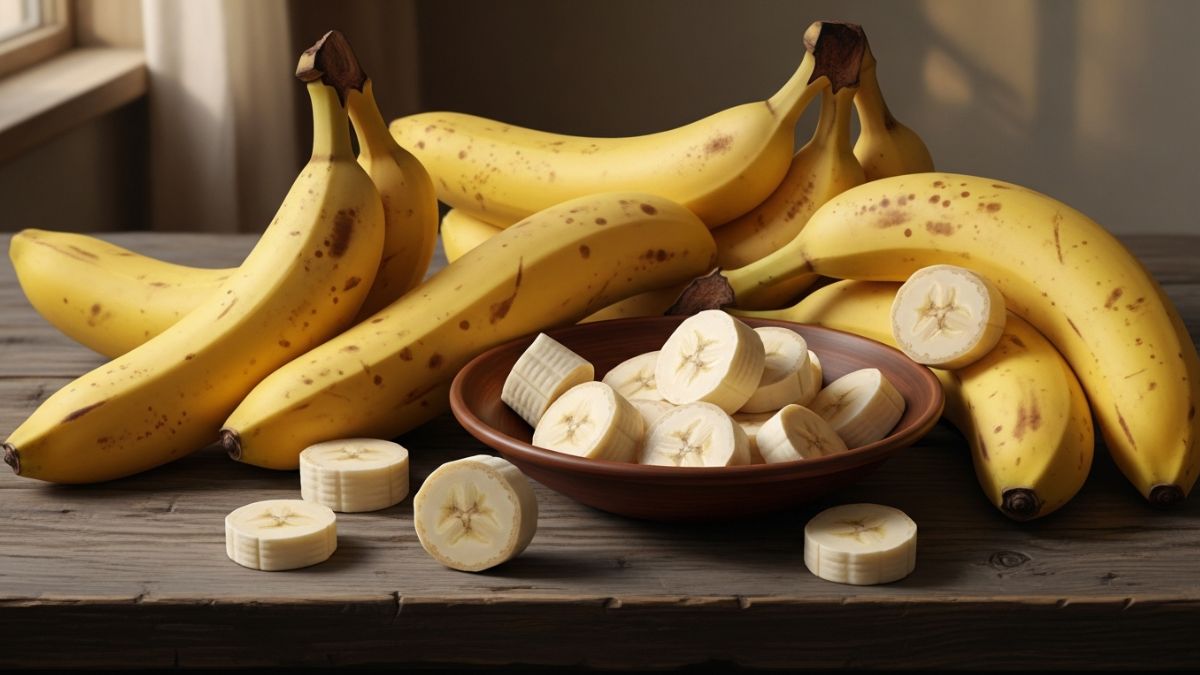
Banana is the best fruit for managing high blood pressure
FACT:
Bananas are a good source of potassium, which can help support blood pressure control, but they are not the “best” or most effective fruit on their own. Research and experts consistently show that overall dietary patterns like the DASH diet, which includes a variety of fruits and vegetables, are more important than any single food for managing hypertension.
In a reel posted by Dr. Saleem Zaidiwho has over 3.7 lakh followers on Instagram, a simple, kitchen-based approach to managing high blood pressure has caught users’ attention online.
In the reel, he names several everyday foods that can help manage hypertension, saying, “For high blood pressure, the best fruit is banana.”
He further goes on to list other items – including spinach as the best vegetable, walnuts as the best nut, pumpkin seeds as the best seeds, oats flour as the best flour, and recommends consuming finely chopped raw garlic on an empty stomach in the morning – suggesting that these remedies are easily available at home rather than in medical stores.
The reel has gained 58.6K views, with users commenting things like, “very simple solution. I shall try for sometime and see.”
Is banana the top fruit choice for high blood pressure?
Scientific evidence does support the role of fruits and nutrients like potassium in managing blood pressure. Overall, potassium-rich diets like the DASH diet and balanced nutrition are more important.
A 2013 analysis from the INTERMAP study, which examined dietary patterns and blood pressure across 4,680 participants in countries including Japan, China, the UK, and the US, found no consistent overall association between total raw fruit intake and blood pressure. The study notes, “Consistent associations were not found between raw fruit and fruit juice consumption of individuals and BP.”
That said, there were some specific observations — among East Asian participants, “banana intake was inversely associated with diastolic BP (−1.01 mm Hg…),” suggesting a modest benefit in certain populations.
Building on this, later research shifts focus from individual foods to nutrients. A 2020 meta-analysis of 32 randomised controlled trials explored the relationship between potassium intake and blood pressure. It found a non-linear, U-shaped relationship, noting that while adequate potassium intake helps lower BP, “the BP-lowering effects… weaken at higher levels,” and excessive intake may even increase BP in some cases.
More recent evidence further emphasises overall diet patterns. A 2022 study examining the DASH (Dietary Approaches to Stop Hypertension) diet found that greater adherence to this diet – which includes fruits, vegetables, and other potassium-rich foods – was linked to lower blood pressure. The researchers observed that “greater adherence to the DASH diet is associated with lower BP and higher potassium intake,” highlighting that a combination of foods working together plays a key role.
In fact, the American Heart Association also presents a balanced view on bananas. It notes that while bananas are often seen playfully as a “menace” on screen, “in your diet, though, bananas can be a boon.”
Citing nutrition expert Colleen Spees, the article highlights that bananas are “rich in nutrients and fibre” and widely accessible. It also underlines their potassium content, stating that “potassium is a mineral that is vital for heart health, especially in terms of blood pressure management.”
The article also flags caution in certain cases, explaining that high potassium intake may not be suitable for people with kidney issues or specific medical conditions.
What experts say
Dr (Prof) Tarun KumarAssociate Director and Head at Medanta Moolchand Heart Centre, explained that lifestyle changes for hypertension are broadly based on the “Dietary Approaches to Stop Hypertension (DASH)” model.
He said this approach focuses on a high-potassium and low-sodium diet, noting that “low sodium will reduce your blood pressure,” while potassium helps through vasodilation and vascular relaxation, thereby lowering BP. In this context, he added that “banana is a very good source of potassium,” making it a useful fruit in a heart-healthy diet.
He further explained that bananas may offer multiple benefits beyond blood pressure control. According to him, they contain dietary fibre and prebiotic components that support gut health and are often used in cases of digestive discomfort because they help regulate gut microbiota. He also noted that bananas provide quick energy and electrolytes, which is why they are commonly consumed after intense physical activity.
On overall benefits, he said bananas can support heart health, digestion, and even brain function, and contain vitamins such as B6 and C in small amounts.
However, he stressed moderation. “Everything in moderation is the key,” he said, adding that typically “one or two bananas per day is okay.” Excess intake, especially in people with diabetes, kidney issues, or those on certain medications, may lead to elevated potassium levels, which can cause complications like hyperkalemia and heart rhythm disturbances.
He concluded that dietary choices should always be tailored to an individual’s health condition, medication use, and nutritional needs.
Ms Aditi Prasad ApteSenior Clinical Nutritionist at Aster RV Hospital, said that bananas are a good source of potassium, which helps in electrolyte balance and supports blood pressure regulation. However, she clarified that banana alone is not sufficient for managing hypertension.
She said, “Banana is rich in potassium which can help in electrolyte balance which helps in maintaining blood pressure. But banana alone won’t help in managing BP.”
She further explained that moderation and combination of foods are key, noting that “one banana per day is generally safe to consume when paired with potassium-rich foods like coconut water, avocado, citrus fruits and green leafy vegetables.”
This story is done in collaboration with First Checkwhich is the health journalism vertical of DataLEADS
Comments are closed.