
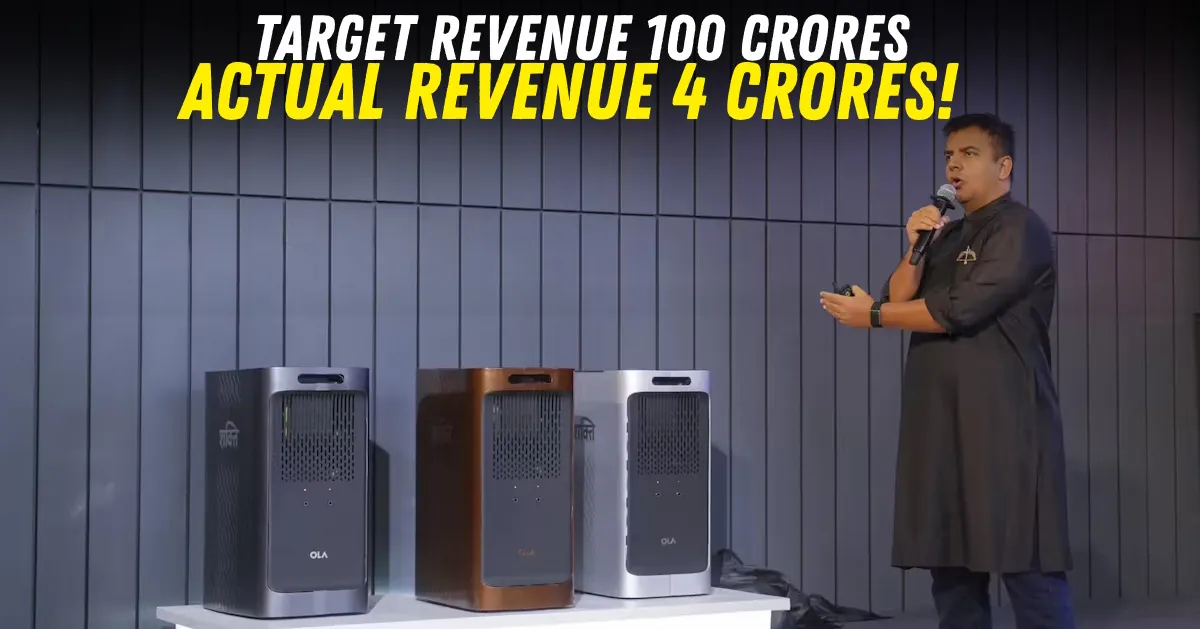

Ola Electric had set a target for its battery cell and energy storage business to generate around Rs 100 crore in revenue during the January to March 2026 quarter. The actual number came in at about Rs 4 crore.
That is a 96 percent miss against the target, and it has raised questions about the company’s plan to build a business beyond electric two-wheelers.
Ola’s battery push was meant to support multiple areas: its own scooters and motorcycles, home energy storage systems, and larger storage products for commercial and industrial use.
The home inverter and storage business was positioned as a meaningful new revenue stream. The Q4 FY26 number shows that the ramp-up has not happened at the expected pace.
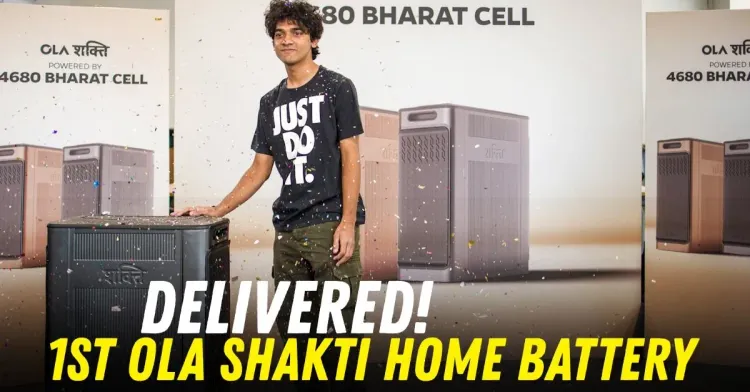
A Rs 100 crore target followed by Rs 4 crore in actual revenue is a massive mismatch. It suggests that either demand was overestimated, product-market fit was not ready, or the commercial rollout faced execution problems.
The company’s overall Q4 FY26 numbers were also under pressure. Revenue from operations fell to Rs 265 crore from Rs 611 crore in the same quarter a year earlier. The company delivered 20,256 units in Q4 FY26 and 1,73,794 units for the full financial year.
Ola’s automotive business remains the main revenue contributor. The cell business, however, is still too small to support the broader story that Ola is becoming a vertically integrated energy company.
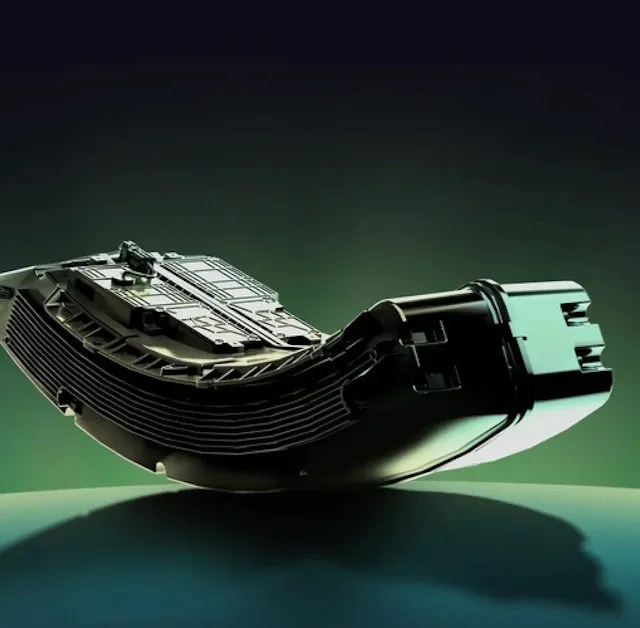
The NMC versus LFP debate matters because it affects cost, safety perception and product fit.
NMC batteries use nickel, manganese and cobalt. They offer higher energy density, which is useful in vehicles where space and weight matter. That makes sense for two-wheelers, where every kilogram counts.

LFP batteries use lithium, iron and phosphate. They are generally cheaper, more thermally stable and better suited for stationary storage. A home inverter or energy storage unit does not need to be extremely compact in the same way a scooter battery does. It needs to be safe, durable and affordable.
That is why LFP has become popular for stationary storage and mass-market energy products. Since Ola’s home storage products depend on NMC chemistry, the higher cost makes pricing harder against conventional inverter-battery products and LFP-based storage rivals.
The home inverter market is not like the electric scooter market. Buyers are not paying mainly for design, performance or app features. They are comparing battery capacity, backup time, warranty, installation support and price.
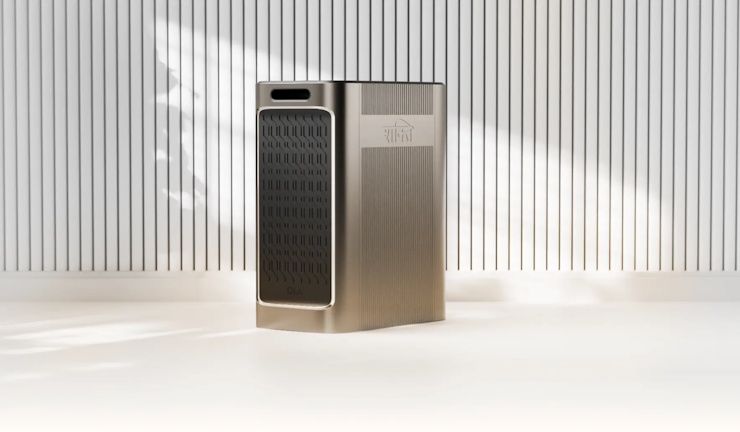
Established inverter and battery brands already have dealer networks, service technicians and customer familiarity. Ola has to compete against that, while also explaining a newer battery-storage product to households.
For a home energy product, service confidence is critical. If a scooter stops working, the buyer faces mobility inconvenience. If a home backup system fails during a power cut, the entire household notices immediately. That makes reliability and after-sales support central to adoption.
This is one reason the slow ramp-up matters. Ola cannot build the storage business only on technology claims. It needs pricing, distribution, installation and service to work together. As of now, one or more of these key factors don’t really seem to be working – the poor numbers suggest that.
The battery business was part of Ola Electric’s larger pitch. The idea was that the company would not remain only an electric two-wheeler maker. It would make cells, assemble battery packs, sell vehicles, support energy storage and eventually build a broader clean-energy ecosystem.
That story becomes harder when the non-vehicle battery business delivers only Rs 4 crore against a Rs 100 crore quarterly target.
Ola Electric has also been facing pressure in its core two-wheeler business as Bajaj, TVS and Ather have gained ground. The company has cut costs and improved some operating metrics, but revenue and volume remain under pressure.
That makes diversification important. But diversification only helps if the new business starts scaling.

Ola has been working on LFP cells, and that could be important for the next phase of its battery plans. If the company moves more of its stationary storage products to LFP chemistry, it may be able to improve cost competitiveness and safety perception.
The company has also spoken about larger storage products under the Mahashakti name, aimed at commercial and industrial users. That market can be attractive, but it is also demanding. Commercial buyers focus on cycle life, warranty, fire safety, installation quality and total cost over several years.
For now, one thing is clear. Ola’s battery business has not scaled at the speed the company had indicated. A Rs 4 crore quarter does not end the opportunity, but it does force a reset in expectations.
The next few quarters will show whether Ola can turn its cell manufacturing and storage plans into a real business. Until then, the company’s diversification story remains more on paper than in real.
Comments are closed.