
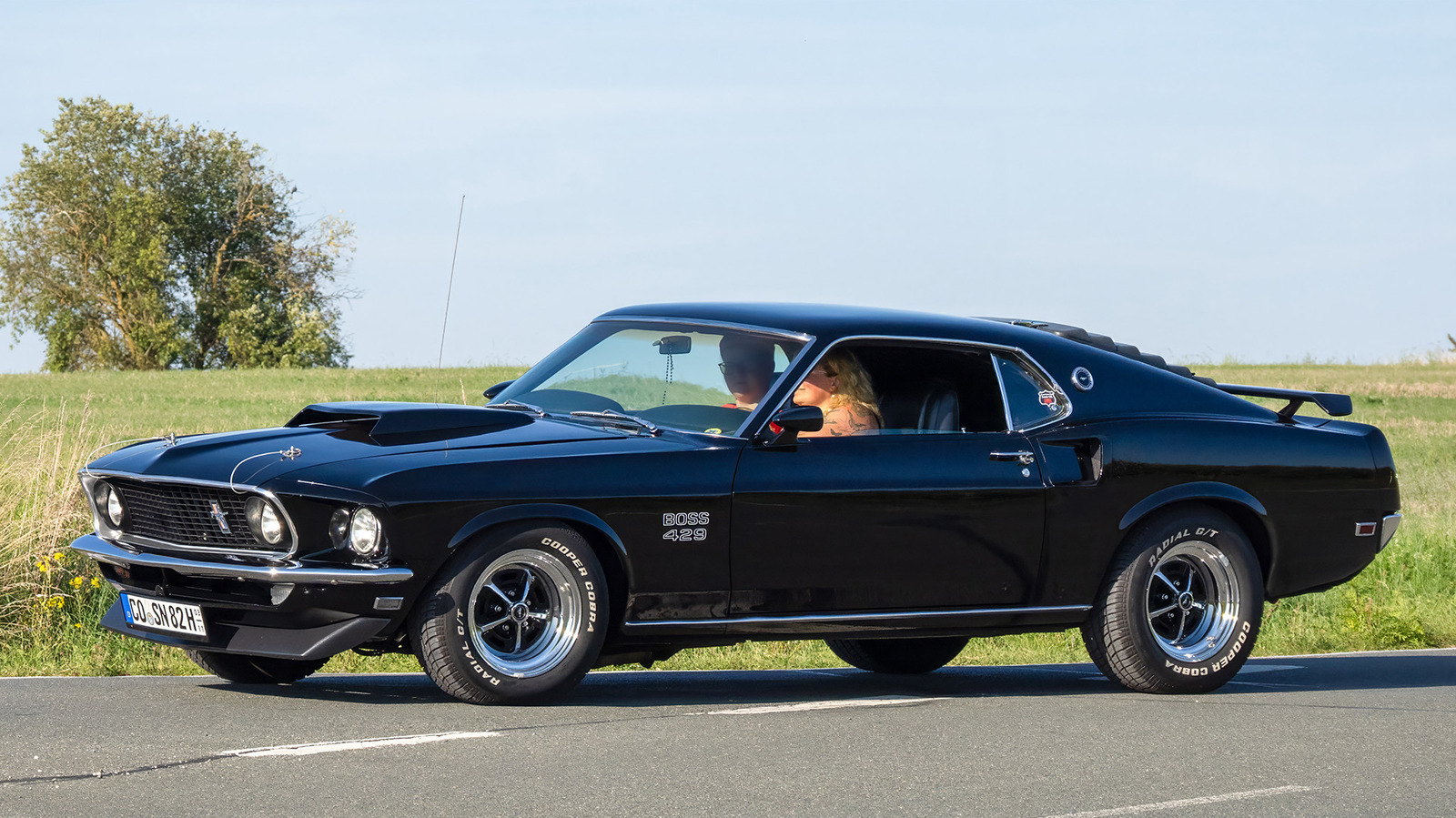

Restoring a classic car is quite a complex process. You have the interior, exterior, engine, and electrical systems to deal with. That process also involves many decisions, like whether to keep original equipment or upgrade to something a little more modern. Regardless of the choices, it’s an expensive and intensive process that will require you to learn basically everything there is to know about how a vehicle is put together and operates, even if you pick one that’s friendly for beginners. Sending it to a shop to be restored can be equally risky and expensive.
However, one of the biggest things to consider before a restoration project is to decide what you’re going to change. Some folks prefer a lighter touch, opting to restore things to like-factory conditions, while others prefer going a much more modern route, a process known as the restomod, a portmanteau of “restored” and “modified.” Ultimately, the decision is up to the car’s owner — it is their car after all. Many folks add things like modern wiring or an air conditioner to their cruisers even though it didn’t come with one originally. There’s nothing wrong with a modern touch.
With that said, if you are thinking of restoring a classic, there are a few things you may want to consider in terms of what to update and what to restore to its like-original state. It’s a highly debated topic in classic car circles, but many folks agree that overdoing it can be a bad thing.
The original sheet metal, patina, and emblems
They just don’t make them like they used to, and that’s one of the many reasons why someone may want to restore a classic car. The decisions about what to change and what not to change start with the exterior, including everything such as the sheet metal that the car panels are made out of, the original paint color, and even the emblems. In general, this is largely personal preference, but there are some reasons why you may want to keep as much of the original equipment as possible.
For starters, let’s get a big one out of the way. Debadging your car doesn’t have a huge impact on resale value, but those old emblems are collectors’ items in some circles, so restoring those and keeping them only improves the cool factor. Paint color is much the same way. Your car’s VIN houses its original color in the factory database, so keeping it the same helps keep the car historically accurate, and if the classic car is rare, it’ll also negatively impact its value.
For body panels, the story is a little different. Sheet metal rusts, and many classic cars have sustained significant damage over the years that cannot simply be buffed out, as the old saying goes. In some cases, you may have to replace a panel with reproduction parts in order to make it whole again. However, collectors do value “survivor cars,” which are classic cars with all original hardware.
If you can restore it, you should try your best to do so.
The original engine, if you can
Depending on the type of car you have, the original engine may be a pretty big deal. Some of the most famous V8 engines ever produced were during the golden age of American muscle cars, and quickly deciding to discard them for a modern crate engine may not always be the best move. For the most part, restoring the original engine is the same as keeping the original car color and the original emblems. It helps preserve the historical value of the car and yes, collectors do often care if a car is all original.
There are two instances where replacing the engine is probably okay. The first is if the engine is nothing special. The Ford 427 Cobra Jet is a legendary engine, and easily one of the best that Ford has ever put into a car. However, some Ford Mustang models came with some fairly pedestrian engines, like an inline-six that isn’t particularly noteworthy in any meaningful way. Those old 200 cubic inch engines made a paltry 120 horsepower, and few would blame you for wanting to put something a little more muscular in its place.
The other reason is for performance. If you intend to race your classic car, those old engines are nice, but modern engines are way more powerful. A performance build can be done with some of the older engines, but there’s no doubt that a newer, modern engine will shave time off your quarter-mile runs.
The original interior
The interior of a classic car is arguably just as important as the exterior. It’s like walking into a time capsule, and while today’s interiors are no doubt more useful, even modern automakers are slowly relearning the value of physical buttons and switches. They simply don’t make them like they used to, and so simply by owning a classic car, you have an interior space that you can’t easily replicate in this day and age. Thus, for the sake of historical accuracy, it’s worth keeping them around in their original flavor.
Some modernizations are to be expected. Upholstery doesn’t last forever and those 50-year-old leather seats probably haven’t aged terribly well. Things like headliners, the door material, the carpeting, and all that other stuff will likely need to be redone, and there are companies that specialize in fixing these problems while keeping things looking original, even if they’re not. In fact, while researching this article, we found a small business that specializes in retrofitting old car radios with modern features like Bluetooth, so you can keep the old look while still enjoying modern features.
The lone exception is the art of the day-two mod. These occur when the owner makes modifications to the interior space, but they’re period accurate to the types of modifications an enthusiast would’ve made back when the car was new. Adding a tachometer to cars that didn’t have one is a great example of this.
VIN plates and other identification numbers
First of all, you shouldn’t ever mess with the VIN plates of your vehicle, at least if you ever intend to drive it on pavement again. There are reasons some may consider this, such as VIN damage or other factors. However, at the end of the day, your car’s VIN is like its driver’s license, and a car without one is like a driver without a driver’s license. In fact, it is entirely illegal to remove the VIN from your vehicle, and driving a car without a VIN will definitely get you into trouble.
There is one beautiful exception to the rule. If you are restoring or otherwise repairing a vehicle made before 1981, you can temporarily remove the VIN to make repairs, but you must put it back when the repairs are complete. The law was passed because people were already doing this, and many didn’t know that it was against the law. Now it isn’t, so if you have to remove it for repairs, do so, but don’t forget to put it back.
If your VIN plate is messed up beyond repair, you can get it reissued. The process and rules vary from state to state, but it generally requires the state to issue a new VIN for your vehicle. Do be careful with this though, as some collectors care about number matching, and may scoff at a car that doesn’t have all of its original identification.
Basically, anything not covered by safety
The biggest things are above, and while we could continue this article and talk about the small stuff, it would be easier just to cover it all at once. In most cases, you cannot restore a car to 100% factory default because a lot of the items that go into making a car don’t last that long. Things like old wiring, dried-out rubber hoses, ancient tires, deteriorating brake lines, and other wear items like that should be replaced with safer, modern equivalents. Even collectors don’t mind if your fuel line is replaced with something that won’t catch the car on fire.
Those old cars don’t come with all the same safety features as newer cars, like circuit protection in the wiring system, superior braking systems, and even seatbelts. These are items you should certainly replace or upgrade during your restoration. Eventually, you’ll reach a point where you have options, and that’s really where you want to consider if you want to keep it stock or not. For example, a common mod is changing out the carburetor for electronic fuel injection. It’s not period-accurate, but you do get more power, better fuel economy, and lower emissions.
The point here is that it’s ultimately up to the car owner, but some modernization is inevitable. Once you take care of the worn items and upgrade the car for modern safety, pretty much anything else can be kept if you value historical accuracy.

Comments are closed.