
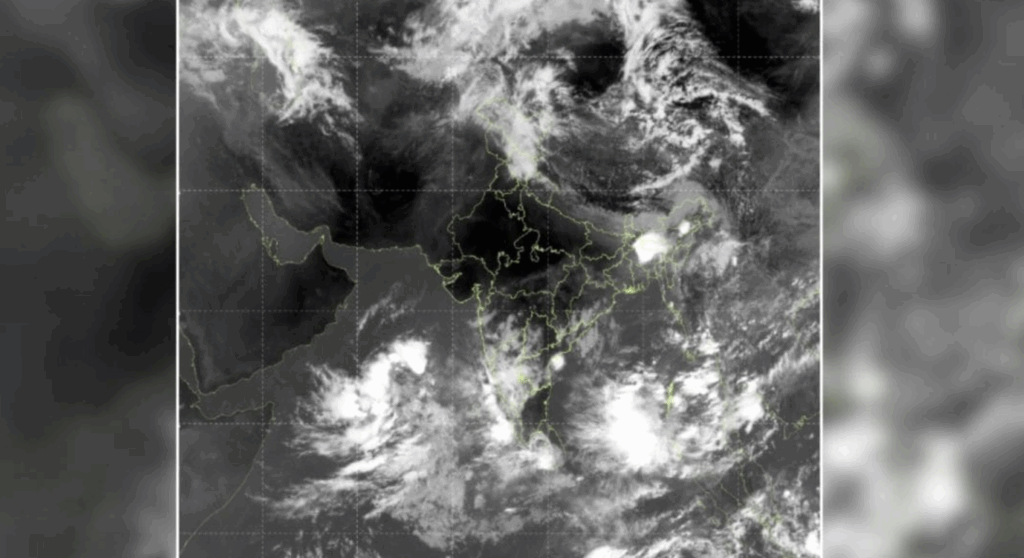

India may be heading toward its weakest monsoon in several years after the India Meteorological Department (IMD) revised its southwest monsoon forecast downward to 90% of the Long Period Average (LPA), from its earlier estimate of 92%. While the southwest monsoon has begun advancing into parts of the Bay of Bengal and Andaman Sea, the revised forecast has sparked concerns about agriculture, food inflation, water availability, and heatwave conditions across the country.
The latest projection places the 2026 monsoon in the “below normal” category, marking a significant shift from earlier expectations.
Monsoon Forecast Downgraded
The IMD now expects seasonal rainfall between June and September to be around 90% of the Long Period Average. Under IMD classification, rainfall between 90% and 95% of LPA falls under the “below normal” category.
The revision comes amid increasing concerns over the development of weak to moderate El Niño conditions during the monsoon season. Meteorologists also expect a stronger El Niño phase to emerge after the monsoon, potentially affecting weather patterns further.
A weaker monsoon often translates into lower rainfall across key agricultural regions, which can directly impact crop production and rural incomes.
Some Regions Face Greater Risk
The rainfall outlook varies significantly across different parts of the country.
According to IMD projections:
- East and Northeast India are likely to receive normal rainfall.
- South Peninsula is expected to receive below-normal rainfall.
- Central India may also witness rainfall below 94% of LPA.
- Northwest India is forecast to receive less than 92% of normal rainfall.
This regional imbalance could create challenges for states heavily dependent on monsoon-fed agriculture.
The monsoon’s arrival has also been slower than expected. The system was initially forecast to advance around May 26 but has experienced delays, adding to uncertainty regarding seasonal rainfall distribution.
June May Bring Less Rain And More Heat
The IMD has warned that June itself may witness below-normal rainfall across much of the country. Exceptions include Telangana, Andhra Pradesh, Northeast India, Jammu & Kashmir, and Ladakh, where rainfall is expected to remain relatively favorable.
At the same time, several states could experience additional heatwave days.
The weather agency has forecast 2-3 extra heatwave days during June in:
- Punjab
- Haryana
- Uttar Pradesh
- Bihar
- Jharkhand
- Gujarat
- Isolated pockets of Maharashtra
This combination of weaker rainfall and prolonged heat could increase pressure on water resources, electricity demand, and agricultural activities.
Why The Forecast Matters
Nearly half of India’s agricultural land remains dependent on rainfall. A below-normal monsoon can affect sowing activities, crop yields, reservoir levels, and groundwater recharge.
Economists also closely monitor monsoon performance because it influences food prices, rural consumption, inflation, and overall economic growth. Lower rainfall can reduce output of crops such as rice, pulses, oilseeds, and sugarcane, potentially impacting household budgets nationwide.
While the monsoon is still advancing and weather conditions may evolve, the revised IMD forecast serves as an early warning that India could face a more challenging monsoon season than initially expected.
Summary
The IMD has lowered its 2026 southwest monsoon forecast from 92% to 90% of the Long Period Average, placing the season in the “below normal” category. Weak to moderate El Niño conditions, delayed monsoon progress, below-normal June rainfall, and additional heatwave days across several states have raised concerns about agriculture, water availability, food inflation, and economic growth in the months ahead.
Image Source

Comments are closed.