
Legal experts hail SC observations on dowry-related cruelty, say it reinforces gender justice and accountability

7
Legal experts have welcomed the Supreme Court’s strong observations against dowry harassment, saying the judgment sends an important message that cruelty against women and their families will not be tolerated.
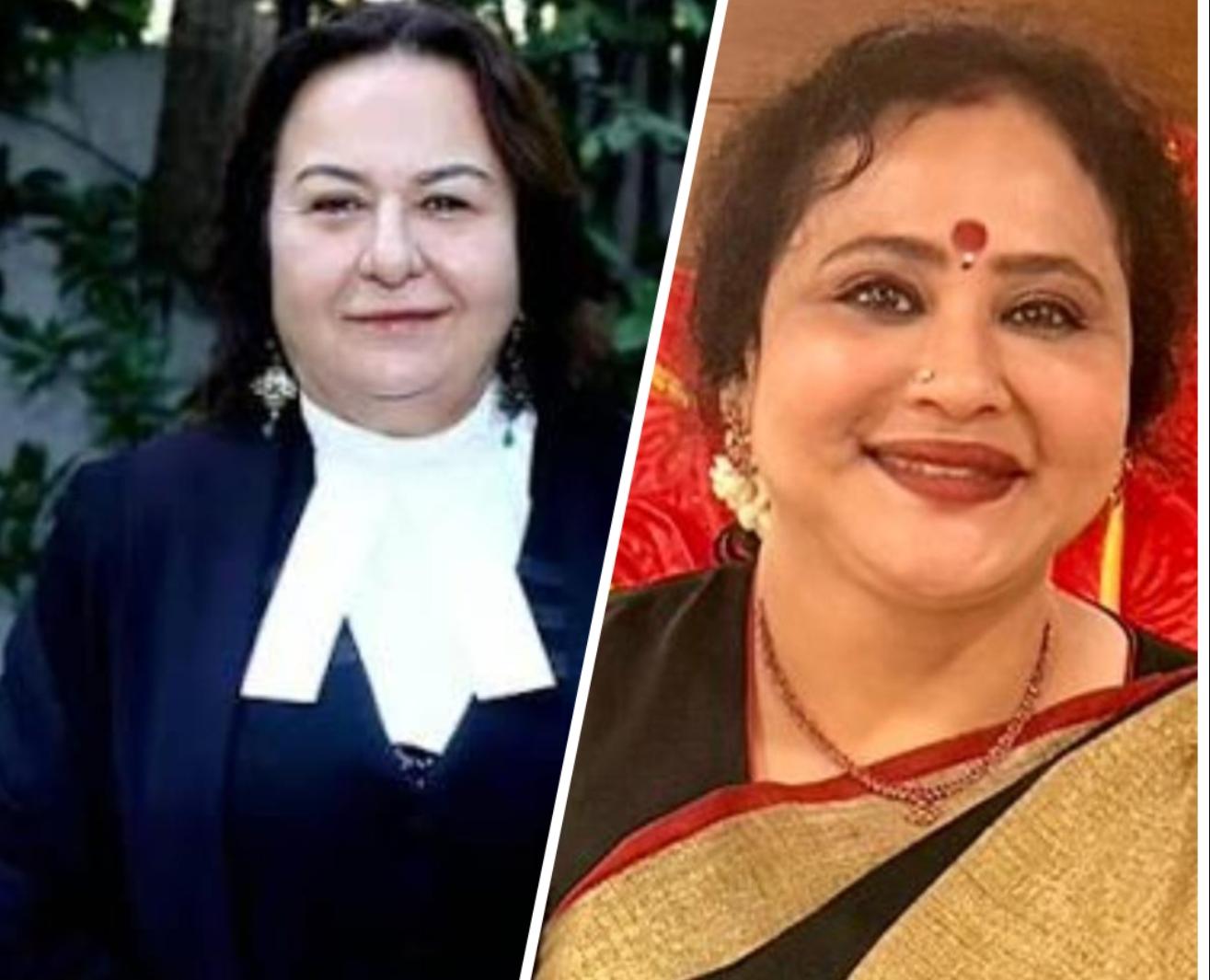
Senior Advocate Pinky Anand told iTV Network that the Supreme Court has consistently acted as a champion of gender justice. She said the judgment ensures that those responsible for heinous crimes such as dowry death are held accountable. According to her, women cannot be demeaned, abused or murdered, and the justice system has shown that their voices will not go unheard.
Senior Advocate and President of the Supreme Court Women Lawyers Association (SCWLA) Mahalakshmi Pavani, Mahalakshmi Pavani, said the remarks made by Justice BV Nagarathna reflect the harsh reality faced by many women after marriage. She said the observations should not be viewed as criticism of all men but as recognition of a serious social problem that continues to exist.
Pavani said many women still face humiliation, financial demands, emotional abuse and violence in their matrimonial homes. She noted that social pressure often prevents women from speaking out or leaving abusive situations.
According to her, society must acknowledge these realities if meaningful reform is to take place.
She further said that India does not suffer from a lack of laws against dowry harassment, but from weak enforcement. Pavani stressed that punishment must be swift and certain so that offenders understand there are real consequences for abusing women and their families.
The comments came after the Supreme Court refused relief to the husband’s family members convicted in a 2010 dowry death case from Chhattisgarh. A Bench of Justice BV Nagarathna and Justice Ujjal Bhuyan said a strong social message must go out against the humiliation of brides and their families.
The Court said people cannot demand money and then humiliate the bride’s family by calling them beggars. It added that such behaviour would not be tolerated.
The case involved the death of a woman who died by hanging within three years of her marriage. According to the prosecution, she was repeatedly harassed for cash and a car by her husband and in-laws. The trial court convicted the accused under Sections 304B (dowry death), 306 (abetment of suicide) and 498A (cruelty by husband or relatives) of the IPC.
The Chhattisgarh High Court upheld the conviction, and the Supreme Court has now refused to interfere with those findings.

Comments are closed.