
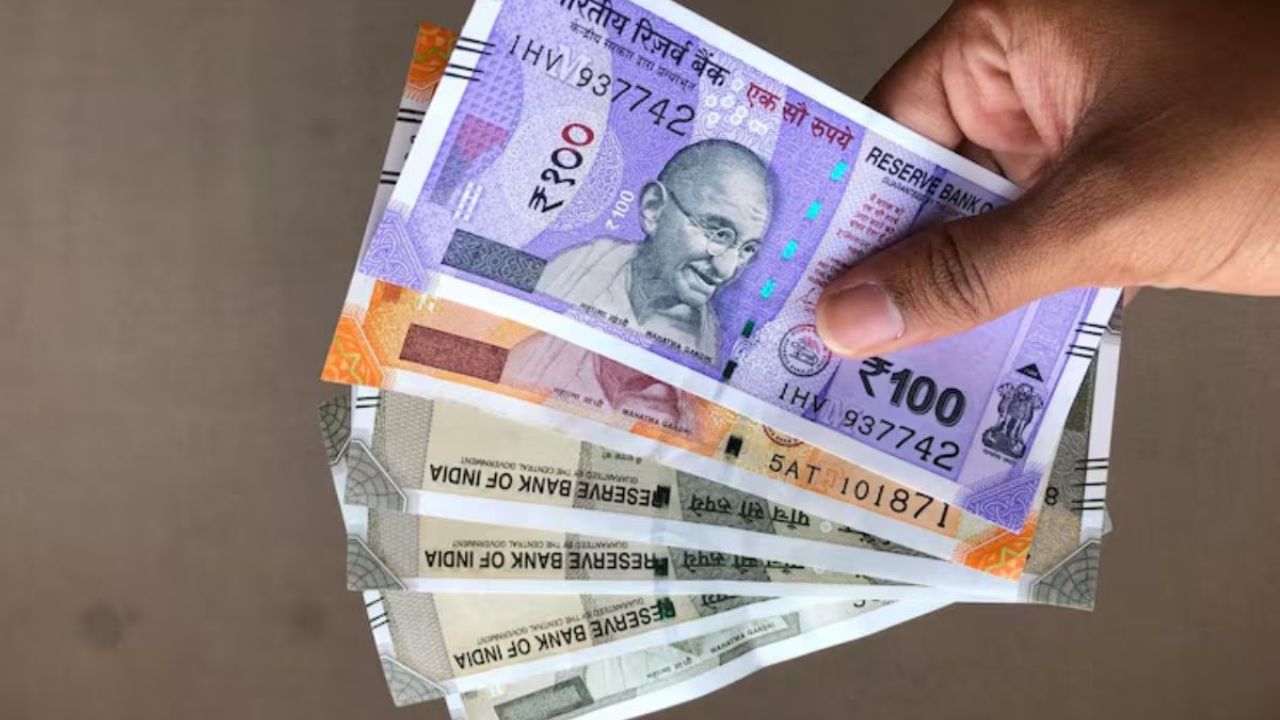
India Considers Plastic Banknotes: Durable, hygienic, and counterfeit-resistant currency on horizon

New Delhi: The Reserve Bank of India (RBI) is exploring a groundbreaking move to tackle the problem of worn-out and tattered banknotes, while also cutting the high costs associated with the frequent printing of new currency.
The central bank is considering issuing polymer-based plastic notes to replace traditional paper currency, a change that promises significant benefits but also presents certain challenges.
What Are Plastic Banknotes?
Plastic banknotes are made from specialized synthetic polymers, making them far more durable, lightweight, and flexible than conventional paper notes crafted from cotton fibers. Unlike paper currency, which tears easily, stains quickly, and deteriorates when exposed to water or perspiration, plastic notes are designed to withstand everyday handling and last considerably longer. This durability could help the RBI save millions of rupees annually in replacement and printing costs.
Key Benefits of Plastic Currency
The standout advantage of plastic notes is their exceptional longevity, they typically last three to four times longer than paper banknotes. Being waterproof, they resist damage from water, dirt, or sweat, and are highly resistant to creasing or tearing.
Their non-porous surface also prevents dust, grime, and bacteria from accumulating, making them cleaner and more hygienic for daily transactions.
Fighting Counterfeit Currency
Plastic notes also offer robust protection against counterfeit currency. Advanced security features, such as transparent windows, holograms, and other sophisticated anti-counterfeiting measures, can be incorporated, making replication extremely difficult and helping curb the circulation of fake currency.
Challenges in Implementation
Despite their advantages, plastic banknotes come with practical challenges. The initial cost of printing is higher than for paper notes. Their slightly slippery texture can make manual counting tricky.
Extreme temperatures may cause minor shrinking, and existing ATMs across the country would require upgrades to handle the new currency.
Global Adoption of Plastic Currency
India would be joining a growing global trend. Plastic banknotes are already in use, fully or partially, in over 60 countries. Australia pioneered this technology in 1988, followed by nations including the United Kingdom, Canada, Singapore, New Zealand, Malaysia, Indonesia, Vietnam, and Romania.
The potential switch to plastic currency marks a significant step toward modernizing India’s cash system, offering durability, hygiene, and enhanced security, even as authorities navigate the logistical and financial challenges of its nationwide rollout.

Comments are closed.