


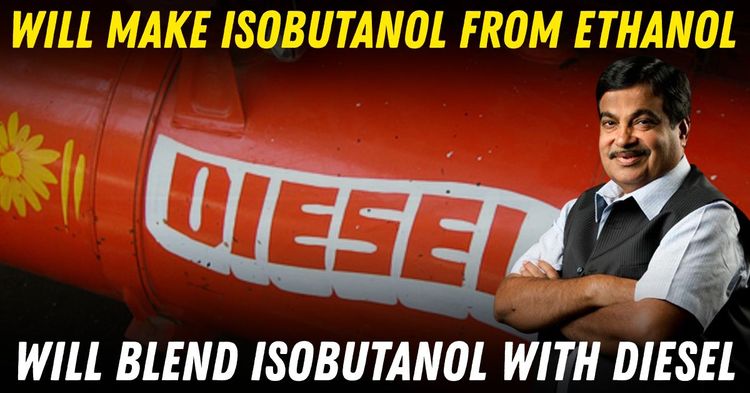
The government is moving to extend its fuel blending programme to diesel, and the timeline is closer than most people expect. Road Transport and Highways Secretary V. Umashankar confirmed at a CII summit in New Delhi on Friday that a mandate for blending isobutanol with diesel is likely to come into effect before the end of 2026. Bharat Petroleum is already conducting research on the blending process, and Umashankar said the early results are encouraging enough that a formal notification could follow shortly.
This matters because of sheer scale. Diesel consumption in the country is nearly double that of petrol. Every policy that has targeted petrol blending, from the E20 ethanol mandate to the recent push toward higher blends, has had a limited overall impact simply because petrol is the smaller fuel pool. Moving the blending push into diesel territory means the impact on import dependence and carbon emissions from road transport will be significantly larger.
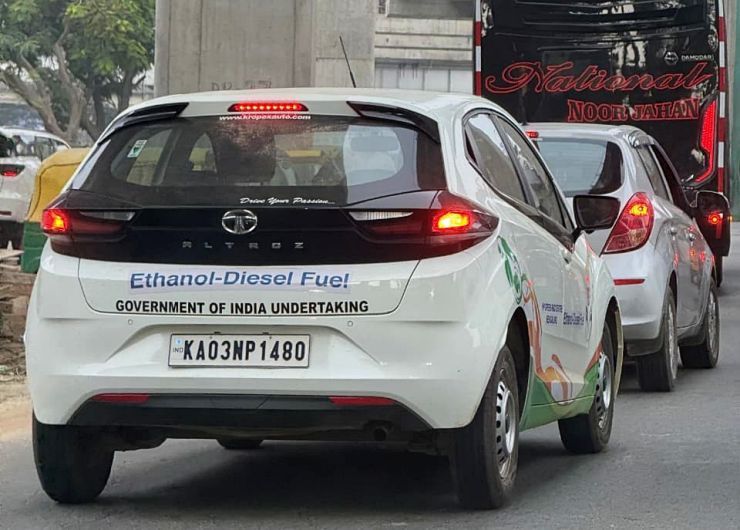
Isobutanol is an alcohol-based fuel that can be blended with diesel in a manner similar to how ethanol is blended with petrol. It has a higher energy density than ethanol, which means a smaller fuel efficiency penalty when blended. It can also be produced from agricultural feedstocks, including sugarcane and biomass, which connects it to the same domestic supply chains being built for the ethanol programme.
Diesel, however, is a chemically different fuel from petrol and blending anything into it requires different engine tolerances and compatibility considerations. Petrol engines have run on ethanol blends for years without major issues. Diesel engines, especially older ones, can be more sensitive to changes in fuel composition because diesel ignites through compression rather than a spark, and fuel chemistry plays a more direct role in combustion timing and efficiency.
This is why the government has moved more cautiously on diesel blending compared to petrol. The research currently underway at Bharat Petroleum is specifically focused on ensuring that isobutanol-diesel blends meet the combustion and lubricity requirements of existing diesel engines on the road.
The vehicles most directly in the frame are diesel-powered trucks, buses, tractors, and commercial vehicles, which together account for the bulk of diesel consumption. Passenger diesel cars have been declining in number for several years, but the commercial fleet is enormous and will not change fuel technology quickly.
For diesel vehicle owners, the key question is compatibility. The government has not yet indicated what the initial blend percentage will be, but early blending mandates tend to start low, typically in the 5 to 10 percent range, before scaling up.
At those levels, most modern diesel engines are expected to run without modification. Older engines and fuel injection systems may be more susceptible to changes in fuel chemistry, and that is a legitimate concern for fleet operators running aging vehicles.
Isobutanol at scale requires industrial fermentation infrastructure, which is not yet built out for diesel volumes. The ethanol programme took several years to ramp up sugarcane and grain-based ethanol supply to meet blending targets. A diesel isobutanol programme will face a similar supply build-up challenge, particularly given that diesel demand runs at nearly twice the volume of petrol.
The government has been working on developing flex fuel engines capable of running on up to 100 percent isobutanol as a longer-term goal. The blending mandate being discussed now is the first step in that direction, not the endpoint. Whether the formal notification arrives in Q3 or Q4 of 2026 will depend on how quickly the regulatory and supply framework is finalised, but the signal from the ministry is clear: diesel blending is no longer a future discussion.
Comments are closed.