
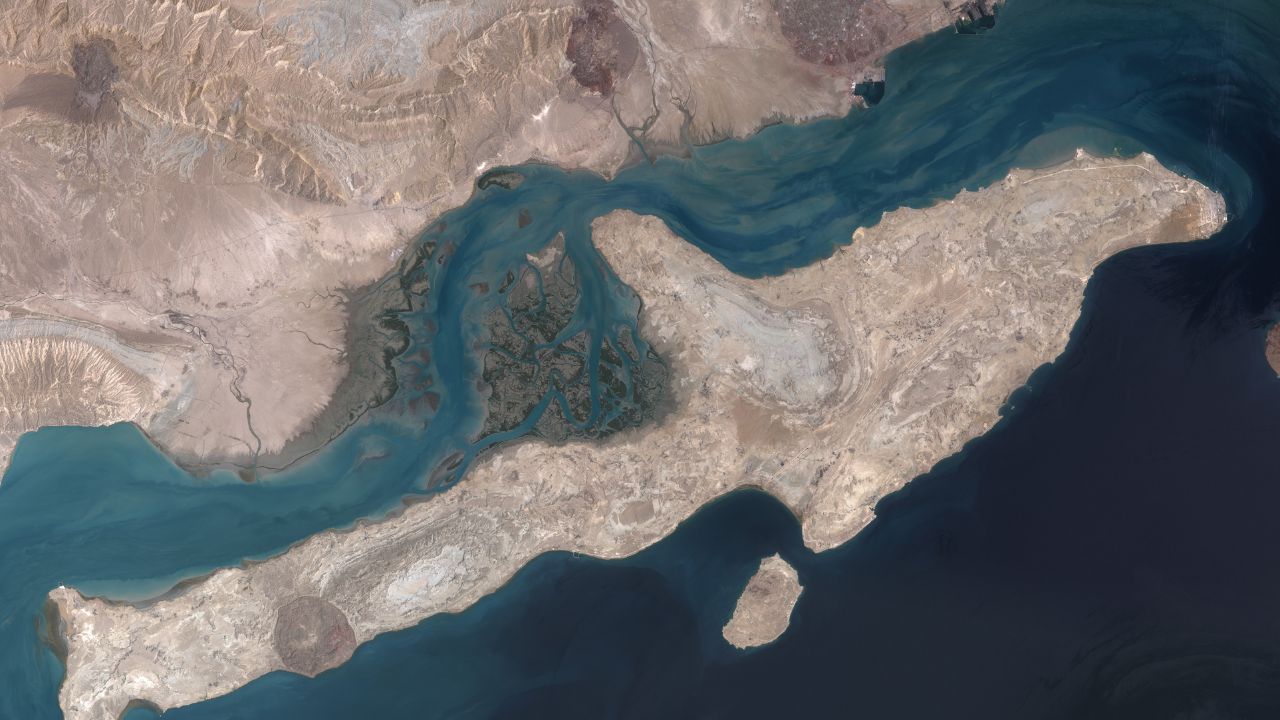
Why did the US target Qeshm Island? The strategic importance behind the latest strikes

Tehran: The fragile ceasefire between the United States and Iran faced another major test on Wednesday after fresh military exchanges raised fears of a wider regional escalation. Reports indicate that US forces carried out strikes on Iran’s Qeshm Island, while Tehran responded with missile and drone attacks targeting American-linked sites in Kuwait and Bahrain.
The latest developments have cast doubt over ongoing diplomatic efforts aimed at preventing a broader conflict. Although communication channels between the two sides remain open, repeated military actions continue to threaten the already delicate truce.
US Targets Strategic Sites on Qeshm
According to US Central Command (CENTCOM), recent operations focused on military infrastructure located near Geruk and on Qeshm Island. The targets reportedly included air defense systems, drone control facilities and attack drones that US officials claimed posed a threat to regional security and maritime traffic.
American officials said the operation was designed to reduce threats to commercial shipping routes and military assets operating in the Gulf.
Why Qeshm Island Holds Global Importance
Qeshm Island occupies a critical position near the Strait of Hormuz, one of the world’s most important energy transit routes. A significant share of global oil and liquefied natural gas shipments passes through this narrow waterway, making its security vital for international markets.
Because of its strategic location, Qeshm allows Iran to monitor and potentially influence maritime traffic moving through the Gulf. The island overlooks key shipping lanes used by several Gulf nations to export energy supplies.
Iran’s Military Stronghold
Often described by military experts as a key pillar of Iran’s coastal defense network, Qeshm hosts missile facilities, naval bases and underground military infrastructure. The island is believed to contain storage and launch systems capable of supporting anti-ship missile operations and drone deployments.
Its military significance has made it a recurring focal point during periods of heightened regional tensions. At the same time, conflict in the area has affected civilians, with previous strikes damaging infrastructure and disrupting essential services for local communities.
Diplomatic Efforts Face Uncertain Future
Despite ongoing negotiations, the latest exchange of strikes highlights how quickly tensions can escalate. Analysts warned that continued military confrontations could undermine diplomatic progress and further destabilize an already volatile region.

Comments are closed.