
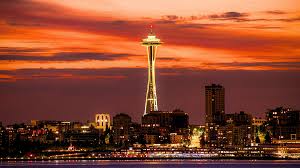

The idea of a year-long moratorium on building new data centers has been proposed as Seattle’s leaders look into the ramifications of artificial intelligence infrastructures on their energy, water, and communities.
The idea has passed its way through a Seattle City Council committee and will be considered at a full council meeting. As it was able to pass in the committee stage, the vote is expected to be mainly procedural.
Under the plan, new large data centers would cease being developed in the Seattle area for an entire year. Additionally, the city’s leaders can extend the moratorium by six months in order to conduct further studies.
The moratorium does not mean a total ban, rather, according to its supporters, it provides room for the city to examine how large data centers will impact it in the long term.
Besides the moratorium, there is also a separate resolution that is being considered by the city council members. It suggests conducting a review regarding various effects of data centers including electricity grid capacity, water usage, environmental sustainability, utility pricing, zoning issues, economic impact, employment, public health and safety, etc.
This follows from growing demand for computing capabilities of artificial intelligence. Larger technology corporations are constructing larger data centers all around the country to operate both cloud systems and AI applications. Such facilities consume substantial amounts of energy and in some cases need significant amounts of water supplies to function.
Seattle Proposes Moratorium on Large-Scale Data Centers Amid Utility and Environmental Concerns
According to Seattle officials, this has caused certain worries among citizens and policymakers.
Proponents of the moratorium claim that cities must consider expenses associated with new projects before allowing them. The concern is that increased popularity of such buildings may cause additional burdens on utilities and may result in increased household and commercial electricity expenses.
Some council members also emphasized environmental factors. Certain communities in South Seattle have been facing problems associated with pollution and climate heating issues. In this case, local authorities believe that construction of new industrial-scale infrastructure may only aggravate the situation.
This bill is introduced by Councilmembers Debora Juarez, Eddie Lin, and Council President Joy Hollingsworth. In particular, Eddie Lin acts as a principal sponsor of the bill itself, while Debora Juarez is responsible for introducing its companion resolution.
Their messaging revolved around guaranteeing that the local communities will not have to bear the burden of sustaining the coming infrastructure for AI technology.
The scale of development is one reason why city officials are taking notice.
Based on information released by the Seattle City Council, there are currently about 30 data centers located in the city. But recently, attention has been paid to the building of large data centers.
Seattle City Light revealed that four companies have approached the company regarding five large-scale data center projects. Combined, they will need up to 369 megawatts of electricity.
Based on estimates by city officials, this amount of energy equals the electricity consumed by 300,000 households.
The proposal has also drawn the attention of many members of the public.
Seattle Considers Moratorium on Data Center Expansion
More than 37,000 residents contacted city officials following the release of the proposal. Local sources revealed that more than 37,000 people have written letters asking for a moratorium.
From the answer, it appears that most people in Seattle are hoping for caution by the authorities before making any decisions regarding massive expansion of AI infrastructure in their area.
The decision might have wider ramifications since the city is situated in one of the most important technology hubs in the region. The connection between the area and cloud computing and software is extensive.
There is currently increasing interest in various regions regarding the relationship between data centers and electricity consumption, water requirements, land usage, and utility prices. In light of the increase in AI system power, there will be much discussion about the same issue.
The proposal indicates a shift in thinking about data centers, considering them not just as real estate projects but as massive utility clients.
In case the moratorium is passed, then the city should hold a hearing within 60 days.
Seattle officials have also expressed an intention to explore different utility rates for big load customers like data centers. This can change the equation for any projects in the future, determining where firms might locate.
At this point in time, Seattle is not slamming the door shut on data centers. It’s putting the brakes on its future policies for the new era of AI-driven technology.

Comments are closed.