
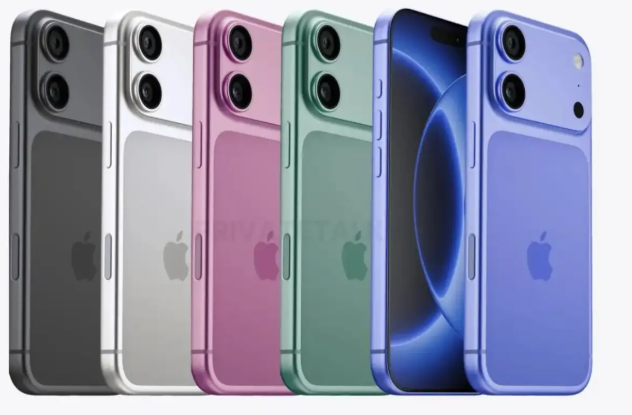

Tech giant Apple is reportedly gearing up for one of the most intense and crowded hardware launch cycles in its history, the iPhone 18 Pro launch. According to a developing report from News Karnatakarecent supply chain leaks indicate that Apple could unveil up to 11 new devices in the coming months.
This expansive product rollout spans almost every corner of Apple’s ecosystem, covering smartphones, tablets, computers, wearables, and smart home platforms. Consequently, this multi-category wave could completely reshape consumer tech as the company prepares to split its flagship iPhone strategy and transition to next-generation processing power.
The most notable revelation from the upcoming launch cycle is Apple’s decision to break its traditional four-model September smartphone routine. Instead of shipping the entire standard and Pro lineups together, Apple is executing a strict phased launch strategy across late 2026 and early 2027.
The autumn window will focus exclusively on Apple’s premium tiers, driving consumer attention toward three top-end devices:
- The iPhone 18 Pro: Packing an upgraded 6.3-inch display panel.
- The iPhone 18 Pro Max: A massive 6.9-inch flagship that will likely exceed 240g, making it the heaviest iPhone ever built due to its expanded battery pack.
- The iPhone Fold / Ultra: Apple’s highly anticipated entry into the premium foldable market, expected to carry an ultra-premium price tag scaling past $2,000.
What about the standard options? Budget-conscious buyers will have to wait. Apple is intentionally holding back the standard, lower-cost iPhone 18 and iPhone 18e until a dedicated spring 2027 launch event. This early 2027 window will also likely debut the second-generation ultra-thin iPhone Air 2, completing the 11-device narrative across both hardware cycles.
Technical Enhancements: The 2-Nanometer Revolution
On the performance front, the premium autumn devices are set to introduce monumental changes to the silicon architecture. Both the iPhone 18 Pro and Pro Max will run on the brand-new A20 Pro chipset.
Built entirely on TSMC’s cutting-edge 2-nanometer (2nm) mobile process node, this architecture represents the first time Apple has dropped down to this microscopic transistor density.
Expected Performance Gains of Apple’s 2nm A20 Pro Chip
| Feature Component | Performance Metric Improvement | Primary End-User Benefit |
| CPU Processing | 10% to 15% faster speeds | Snappier app launching and smoother background computing |
| Energy Efficiency | Up to 30% reduction in power draw | Significantly extended daily battery life across tasks |
| Thermal Management | Advanced closed-loop cooling profile | Reduced overheating and thermal throttling during heavy gaming |
| System Memory | Expanded baseline up to 12GB RAM | Seamless local AI handling and rapid multitasking execution |
Beyond the silicon core, Apple is also taking major steps to eliminate its reliance on third-party wireless hardware. The Pro lineup will mark the debut of the C2 modem, Apple’s custom, in-house 5G chip. This homegrown component is specifically optimized to maximize network stability while cutting battery consumption during high-speed mmWave 5G tracking.
Physical Refinement and Next-Gen AI Integration
Visually, the front of the iPhone 18 Pro will look noticeably sleeker. Supply chain reports indicate that Apple is moving several primary Face ID sensors directly under the screen glass. This structural change will allow Apple to shrink the visible Dynamic Island cutout down to its smallest footprint since its initial debut. On the reverse side, rumors suggest a beautifully refined, unified glass-and-aluminum finish, alongside a striking new wine-like “Dark Cherry” premium color option.
The camera system is also getting a pro-level physical upgrade. The main lens will feature a mechanical variable aperture, giving users complete hardware control over focal depth. Photographers can physically adjust the lens to blur out chaotic backgrounds or keep the entire environment sharp.
Furthermore, this hardware ties directly into iOS 27’s deeper AI features. Developed in tandem with a customized local version of Google’s Gemini models, the software replaces standalone visual search tools with an integrated Siri Camera Mode. Users can simply point their device at real-world landscapes or objects to secure immediate contextual answers, marking a major leap for on-device machine intelligence.

Comments are closed.