
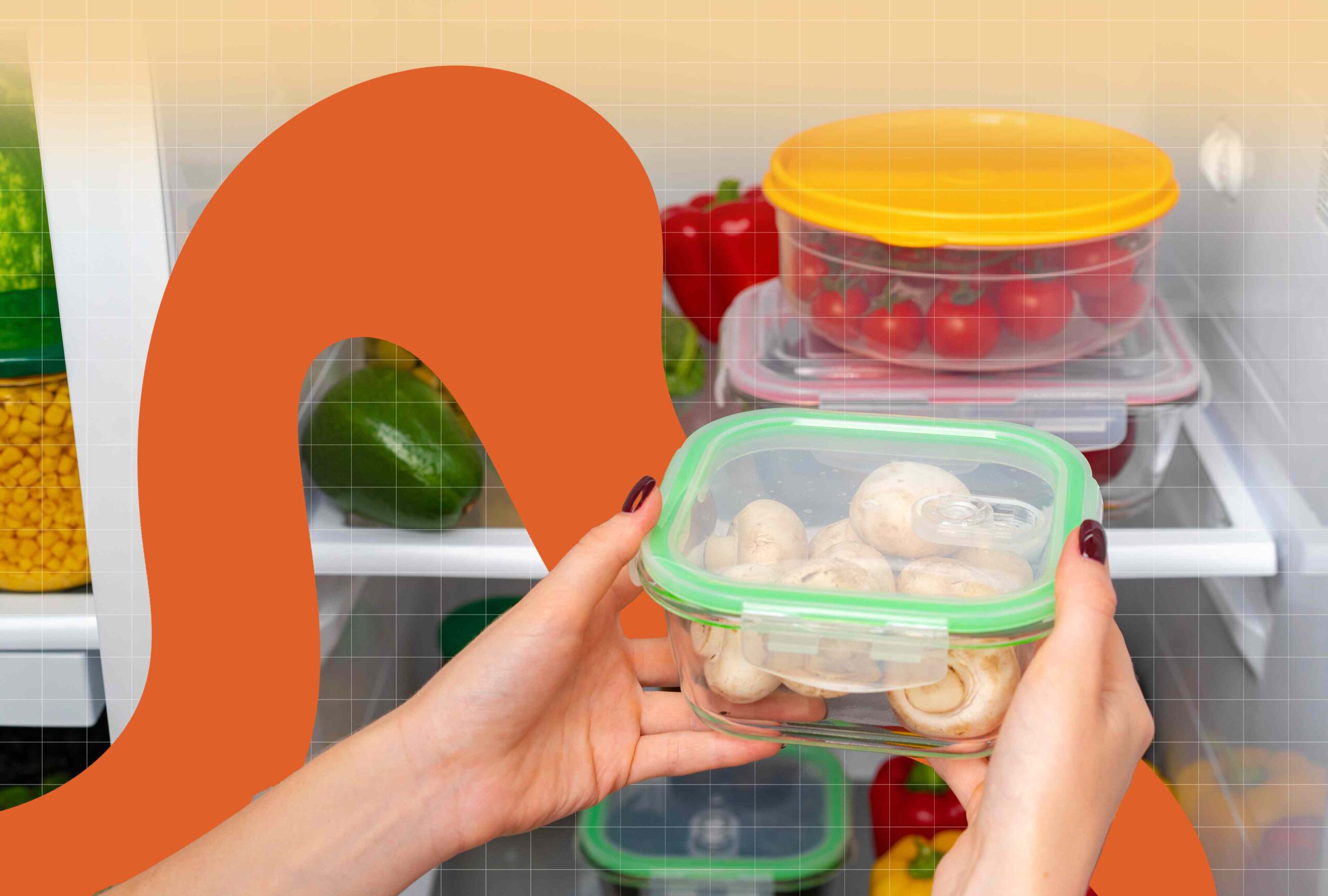

Proper storage can help fruits and vegetables stay fresh longer. Produce storage experts say these three items should always be refrigerated.
Key Points
- Always refrigerate mushrooms, berries and leafy greens to keep them fresh and prevent spoilage.
- Store apples, tomatoes, avocados and pears with proper air circulation to slow ripening.
- Keep onions, garlic, potatoes, ginger and winter squash at room temperature for longer shelf life.
At the height of garden or farmers’ market season, it’s a pleasure to fill your fridge with lots and lots of seasonal produce. However, if you’re noticing you’re short on fridge space or wondering if the taste is being affected, you might wonder if it’s OK to leave some produce out of the cold. We spoke with Emilie Symonschef-instructor of Health-Centered Culinary Arts at the Institute of Culinary Educationabout what should and should not go in the refrigerator.
1. Mushrooms
Symons always puts her fungi in the fridge “because otherwise they get slimy and go bad quickly,” she says. Mushrooms have a delicate structure and are prone to quick spoiling and bruising if not handled correctly. Once in the fridge, she says, “It can help to store mushrooms in a paper bag to help absorb some of the moisture and prevent condensation, which can make mushrooms get slimy faster.” The Food and Drug Administration agrees that mushrooms (along with the other produce items we will talk about), do best in a refrigerator that’s 40°F or below. The Mushroom Council says that it’s important not to let any moisture get on your mushrooms prior to fridge storage and to use them within 10 days.
2. Berries
“Always, always refrigerate berries,” Symons says. “The thin skin on them doesn’t protect them much, so they get mushy fast with exposure to heat, sun or any kind of pressure.” If you’ve ever gone berry picking and ended up with way too much fruit too fast, you know the value of proper refrigeration. Berries do well in the fridge for about five days and will do best if stored in a single layer, as opposed to stacked on top of one another where they might bruise each other or spread mold more quickly. Cover them loosely.
3. Leafy Greens
Whether it’s salad greens such as spring mix or spinach, or a bunch of kale, “always refrigerate any leafy greens so they stay fresh and don’t wilt on you,” Symons says. Even in the fridge, you can end up with liquified greens if you don’t use them fast enough, so she has lots of tricks for extending the life of your greens. The most important one is setting the correct temperature to store these thin, delicate vegetables. She recommends avoiding the coldest parts of your fridge: “If they freeze, they won’t retain their crunchy crisp texture.” If available, a produce setting in your fridge may help to adjust for temperature and sometimes humidity. If not, you can get a thermometer to judge the best place for your greens or adjust your whole fridge accordingly. To keep greens freshest longest, store them in containers that allow them to breathe, versus in a plastic bag or bunched together too closely.
Other Vegetables, Too
Most vegetables, actually, will do better in the fridge. Symons says, “Herbs, carrots, broccoli and other vegetables need to retain moisture to stay crisp and fresh, so you’ll want to keep these in an enclosed space (like a crisper drawer).” It’s good to keep the vegetables separate from the fruit. You can store your herbs like you would lettuce or invest in a specialized herb container. Carrots are hearty and stay fresh for a while in the fridge while cruciferous vegetables like broccoli and cauliflower need a bit more attention. They need air to keep from getting slimy, but not so much that they dry out. Most produce drawers help preserve humidity and will provide the best environment, but specialty storage containers work even better.
In or Out
There are a few types of produce that can stay fresh in or out of the refrigerator, but with caveats. “Produce like apples, tomatoes, avocados, bananas and pears all release a gas that makes them ripen or rot faster,” Symons says. To make sure your produce stays fresh, she explains, “don’t store them in a bag or enclosed space. The more gas gets trapped around them, the faster they’ll soften.”
Produce in these categories lasts longer if you put it in the fridge, but you can use your judgment a little in terms of what you prefer and what works for you. Apples are usually harvested ripe, so they can go into the fridge right away. Pears and avocados should ripen on the counter and then go into the fridge until you’re ready to eat them. If you want your bananas to ripen faster, store them on the counter in a paper bag. Tomatoes usually taste best left at room temperature, but, like pears and avocados, you can slow down their ripening in the fridge.
Produce to Leave at Room Temperature
Symons says, “I basically put everything in the fridge unless it’s onions, garlic, potatoes, ginger or winter squashes. These kinds of vegetables are hardier and have thicker, more protected skins, so they can be stored at room temperature for longer.” In order to prolong their lives even more, Symons says, potatoes do best in a dark place, like a cabinet or drawer. She also recommends storing onions and potatoes separately because their exchange of gases and moisture makes them sprout and rot faster when stored together. While it may be a pain to have two sections of your kitchen for your onions and potatoes, it’s worth it if you get to enjoy them for longer and don’t have to deal with pesky eyes on potatoes or sprouting onions.
The Bottom Line
Most produce belongs in the fridge, with the exception of onions, garlic, potatoes, ginger and winter squash. Berries and mushrooms are particularly delicate, and leafy greens can turn quickly. Heartier produce like apples, tomatoes, avocados, bananas and pears can thrive in or out of the fridge so long as they get enough air circulation.

Comments are closed.