
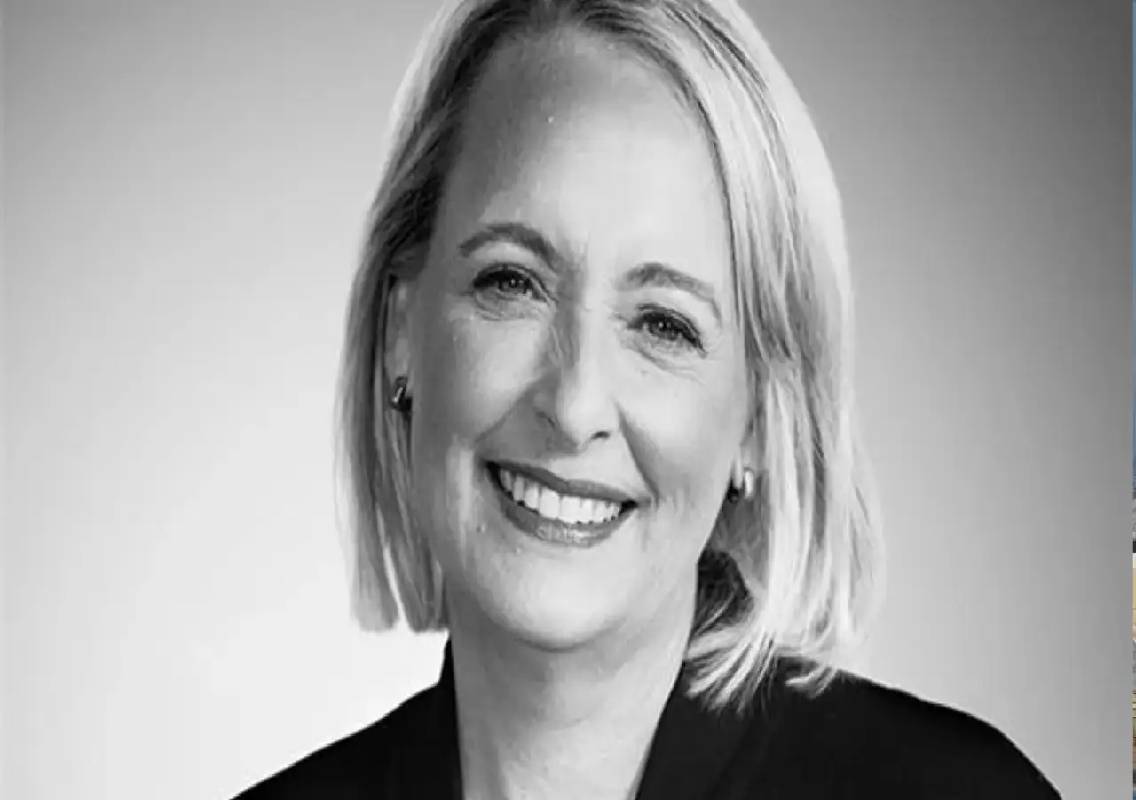

New York: Julie Sweet, the CEO of Accenture, has revealed a life lesson from her father that continues to guide her leadership philosophy and career decisions. Speaking during a discussion with Albert Bourla on CNN, Sweet reflected on a formative experience from her teenage years that taught her the value of excellence, hard work and self-confidence.
The conversation offered insights into the personal principles that have shaped one of the world’s most influential business leaders. Sweet explained how a disappointing loss in a speech competition ultimately became one of the most important learning moments of her life.
A lesson born from disappointment
Recalling the incident, Sweet said she participated in speech competitions as a teenager while working towards her goal of earning money for college. Following one particular contest, she lost to the daughter of a well-known community leader.
Disappointed by the outcome, Sweet complained to her father during the journey home. She believed that connections and family influence may have played a role in the result.
However, her father’s response challenged her perspective and left a lasting impression.
According to Sweet, he told her that she would never benefit from influential family networks or special advantages. Instead, he advised her to focus on becoming so capable and well-prepared that she would be the obvious choice in any situation.
More importantly, he reminded her that on that particular day, she had simply not been the best competitor.
Advice that became a lifelong philosophy
Sweet described the conversation as one of the greatest gifts her father ever gave her. Rather than allowing her to blame circumstances or external factors, he encouraged her to take responsibility for her own growth and performance.
The lesson helped shape a mindset centred on continuous improvement and personal accountability. It reinforced the belief that success comes from effort, preparation and the willingness to improve rather than relying on privilege or connections.
Sweet said her father consistently encouraged her to believe in her abilities while remaining realistic about the work required to achieve ambitious goals.
That balance between confidence and discipline has remained a cornerstone of her approach to leadership.
A father’s journey and influence
Sweet also reflected on her father’s own life experiences and the role they played in shaping his advice.
She noted that he left high school before completing his education, served in the military and later worked painting cars. Despite facing challenges and limited opportunities, he remained deeply committed to supporting his daughter’s ambitions.
According to Sweet, her father regularly drove her to speech competitions organised by civic groups and encouraged her to pursue educational opportunities that he himself had not been able to access.
His message was simple but powerful: embrace who you are, work hard and never believe that any goal is out of reach.
Sweet said this perspective helped her develop resilience and a strong sense of self-belief from an early age.
Success requires action, not just ambition
During the discussion, Sweet emphasised that achieving success requires more than having dreams or aspirations.
She explained that ambition must be supported by consistent effort, preparation and discipline. Goals, she said, become meaningful only when accompanied by a willingness to take action and make sacrifices.
Throughout her career, this philosophy has influenced major decisions and helped her navigate challenges in both personal and professional settings.
The Accenture CEO suggested that individuals often underestimate the importance of preparation, even though it is one of the most critical factors behind long-term achievement.
Her comments reflected a broader leadership philosophy focused on performance, accountability and continuous learning.
Albert Bourla shares his perspective
The conversation also prompted Albert Bourla to reflect on his own views regarding achievement and ambition.
Bourla remarked that one of the greatest risks facing ambitious individuals is not setting goals that are too high and failing to reach them. Instead, he argued that the bigger danger is setting goals too low and succeeding.
According to the Pfizer CEO, achieving modest objectives can sometimes create a false sense of accomplishment that limits future growth and discourages people from pursuing larger ambitions.
His comments echoed Sweet’s emphasis on striving for excellence and refusing to settle for mediocrity.
Together, the two business leaders highlighted the importance of maintaining high standards while continuing to push beyond perceived limitations.
A lighter moment between two CEOs
The discussion also featured a more light-hearted exchange when both leaders were asked about switching jobs for a day.
Sweet joked that becoming Pfizer’s CEO for a single day would likely be harmless because she would not have enough time to cause any significant problems. Instead, she said she would use the opportunity to learn more about the company’s scientific research and innovation initiatives.
Bourla responded by saying that leading Accenture would remind him of the excitement he experienced at the beginning of his career, while also recognising the considerable responsibilities associated with managing a global organisation.
The exchange offered a glimpse into the mutual respect shared by two executives leading some of the world’s largest companies.
Conclusion
Julie Sweet’s recollection of her father’s advice highlights a timeless lesson about success: excellence is earned through preparation, effort and accountability. Decades after a disappointing speech competition, the guidance she received continues to shape her leadership style and decision-making. As she leads Accenture through a rapidly evolving business landscape, the values instilled by her father remain at the heart of her approach to achievement and growth.

Comments are closed.