

For the last few years, in the world of OTT and cinema, women’s stories are getting more space than before. Female characters in films and web series are no longer limited to just the hero’s girlfriend or supporting role. They are visible on the screen with their desires, struggles and decisions. But the question is whether Hindi cinema is really showing women from a new perspective or has just the packaging changed?
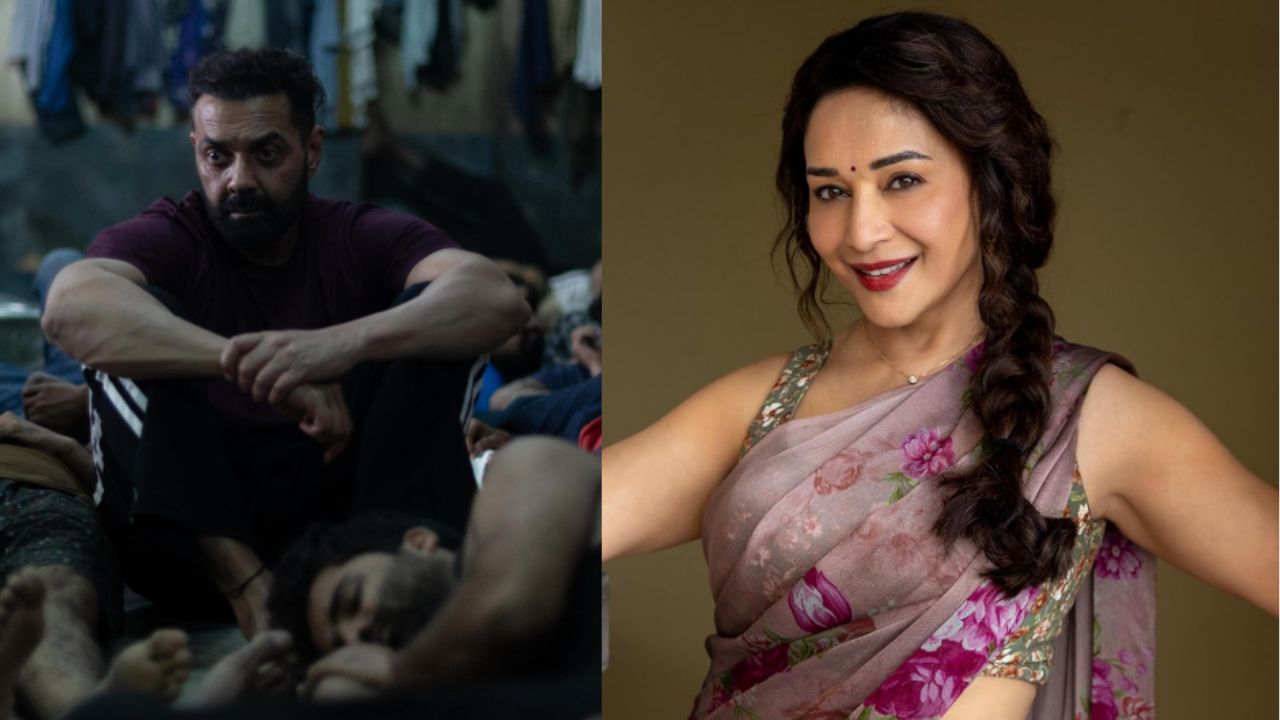
Two recent films, ‘Maa Behan’ and ‘Bandar’ have tried to rekindle this debate. Both the films tell different stories, but at their core are gender politics, society’s thinking and the assumptions made about men and women. One film shows the struggle of women against patriarchy, while the other film tells the story of a man who claims himself to be a victim of false allegations. Let us understand why there is so much discussion about these two films.
Story of ‘Maa Behan’: When women recognize their own strength
Director Suresh Triveni’s film Maa Behen appears to be a dark comedy at first glance, but many serious social questions are hidden within it. The story of the film revolves around widow Rekha and her two daughters Jaya and Sushma. All three live in the same house, but their relationship is sour. Mothers and daughters often consider each other the cause of their problems. There is tension within the family and pressure of society’s expectations outside. Rekha is a woman who does not blindly follow the rules set by the society. She wants to live on her own terms despite her age and marital status. This is what irritates the people around. The special thing about the film is that the women here are not shown as completely idealistic or rebellious. They are also a part of the same society which has taught them to live within certain limits. This is the reason why many times she herself is seen accepting those rules against which she later fights.
Patriarchy is not just a man, it is a thought
The strongest aspect of the film is that it does not limit patriarchy to any one person. Usually in films the problem is solved by showing a male villain. But mother and sister try to tell that patriarchy is a system, which is visible in the behavior of both women and men. Jaya and Sushma initially misunderstand their mother. He feels that Rekha’s attitude is the root of the problems in his life. But gradually he realizes that his mother always wanted him to be self-reliant and strong. The film also shows that women are often made to feel guilty for their decisions. Whether they have done anything wrong or not, society’s finger is first pointed at them.
Strong message through dark comedy
There are many such scenes in the film where the audience both laughs and is forced to think. Satire has been used very effectively in the story. The film takes a sharp dig at social media, TV news and stereotypes about women prevalent in society. The most interesting thing is that the film does not show women as ‘poor’. They are afraid, make mistakes, fight and ultimately stand up for themselves. This is the reason why Mother Sister becomes not only entertainment but also a social commentary.
Story of ‘Bandar’: Allegations, media trial and fight for justice
On the other hand, Anurag Kashyap’s film Bandar goes in a completely different direction. The film centers on a film star named Samar Mehra, who is accused of sexual harassment by his girlfriend. Samar continuously declares himself innocent, but the police, media and society do not seem ready to listen to him. As the story progresses, it raises questions on the justice system, media trials and celebrity culture. The film tries to show how dangerous it can be to assume a person is guilty even before the court decides.
Why are questions being raised about the film?
Although ‘Bandar’ tells the story of just one person, debate has started regarding its subject. Many critics believe that at a time when cases of sexual harassment by women need to be taken seriously, a film based on a false allegation may send the wrong message. The #MeToo movement in India had given many women a platform to express their views. But it is also true that this movement did not get as much success here as it did in western countries. In such a situation, some people have a question whether ‘Monkey’ inadvertently creates suspicion among women who have actually been victims of harassment?
The cinema debate is not over yet
Watching these two films together, it becomes clear that Hindi cinema is still trying to understand topics like gender politics and social justice. ‘Maa Behan’ shows that women are not just victims but can also be agents of change. At the same time, Bandar raises the question whether it is right to consider someone guilty as soon as allegations are made. It is not necessary to agree with both the films, but it is certain that they force the audience to think and perhaps this is the biggest success of any good film.

Comments are closed.