
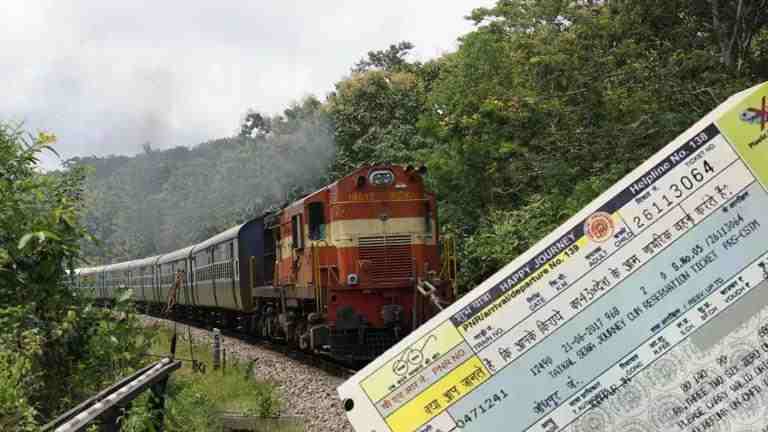
What is the complete mathematics of GNWL, RLWL and PQWL? Know which waiting ticket has the highest chances of getting confirmed

Every passenger traveling by Indian Railways has to deal with waiting ticket at some point of time. Whenever you book a train ticket, you get a 10-digit PNR (Passenger Name Record) Get the number. This number is the main center of complete information about your journey. The first and foremost step to know whether your ticket will be confirmed or not is to check your PNR status, which you can check on the IRCTC website or various trusted apps.
While checking the status, you will always see two important things – ‘Booking Status’ (which is at the time of booking the ticket) and ‘Current Status’ (which is at the current time). If your current status number is continuously decreasing (improving), then understand that your chances of getting your seat confirmed are quite high.
Every waiting ticket is not the same: understand its types
Many people think that all waiting tickets are the same, but railway rules do not say so. There are different types of waiting lists in Railways, which decide how likely your seat is to be confirmed.
You can easily understand the difference between these three major waiting lists from the table given below:
Help of technology: Take help of ‘Confirmation Prediction’
Nowadays, digital technology and mobile apps have made the work of passengers much easier. Many digital platforms like ‘Zoop’ or ‘ConfirmTkt’ analyze historical data.
These platforms look at how many tickets were confirmed on that particular waiting number in the same particular train, on the same route and on the same date in previous years or months. Based on this analysis they tell you a percentage (%).
90% or more: If the prediction in the app is showing around 90%, then you can be quite sure that your seat will be confirmed.
under 50: But if this probability appears to be less than 50%, then you should immediately start thinking about other alternative arrangements.
The game changes after the chart is made
Mathematics of charting and VIP quota
The ‘First Chart’ is prepared about 4 to 8 hours before the train departure time. What many common travelers don’t know is that the waiting list often swells rapidly when charts are made. This happens because the seats that remain vacant under VIP quota, railway staff quota or other special quotas are allotted to waitlisted passengers at the last moment during the charting process.
If your current status has reduced to ‘RAC’ (Reservation Against Cancellation), then after the preparation of the chart, you may not get the full berth (sleeping seat), but you are definitely guaranteed a confirmed seat to sit in the train.
Post Charting Rule: Online vs Over the Counter Tickets
If your ticket is still in the waiting list even after the first chart is made, the railway rules completely change depending on your ticket type:
Online E-Ticket: If you have booked a waitlisted ticket online from IRCTC and it remains waiting even after chart preparation, then that ticket is automatically canceled by the system. The refund money comes directly back into your bank account. You cannot travel inside the train on this ticket, doing so will be considered as traveling without ticket.
Window/Counter Ticket: If you have taken a physical waiting ticket from the railway station counter, it remains valid even if there is waiting period after the chart is prepared. You can board the general or related compartment of the train with that ticket, although you will not be guaranteed a berth, but a vacant seat can be taken by talking to the TTE.
Pro-Tip: Take advantage of Railways’ VIKALP scheme
If you want a confirmed seat in any case, then while booking the ticket, please inform the Railways. ‘VIKALP’ SCHEME Must select. This scheme gives you the opportunity to convert your waiting ticket into a confirmed seat in other alternative trains running on the same route, thereby preventing your journey from getting interrupted during festival or holiday seasons.

Comments are closed.