
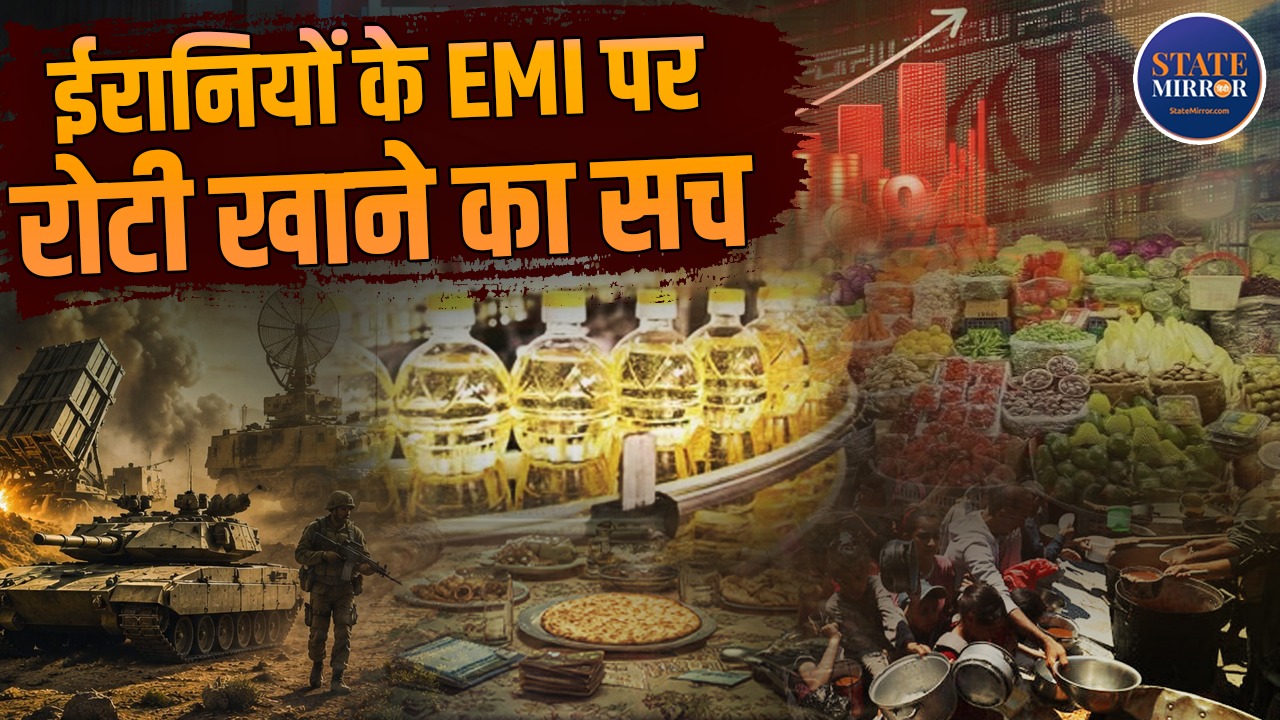

The ongoing tension between America, Israel and Iran has now crossed 100 days. The temporary ceasefire of April 2026 had shown a ray of hope for some time, but in June 2026 the situation again reached a scary turn. The most painful picture is no longer war, but inflation… where people are asking, ‘Are Iranians really living on EMI?
A private channel had shown in its show that people in Iran are eating bread on EMI and Jeevan Yadav is taking household items like flour and pulses on loan. Iran’s embassy has given a statement regarding this, calling this news fake, so let us understand in these 5 big points what is the situation regarding inflation in Iran and what is there in the new update regarding war?
1. 100 days of tension, but peace still far away
The conflict between Iran, Israel and America continues. Sometimes the attacks stop, and sometimes the tension suddenly increases again. The situation still remains unstable. Trump has again threatened Iran, which means that it is clear that the situation is going to get worse and there is no scope for improvement.
2. ‘Roti in EMI’ claim created a stir
Some reports claimed that people in Iran are buying even essential items on installments (EMI). This news created a lot of discussion on social media. However, Iran’s embassy termed these reports as false and said that there is no shortage of any essential goods in the country and the supply system is running normally. Iran appealed to the media that news should be based only on official and reliable sources. Also raised questions on the reporting of some media organizations, calling them ‘biased’.
3. The picture of ground inflation is also serious
According to reports, prices of many essential commodities have increased rapidly amid war and sanctions-
- Edible oil is many times more expensive
- Huge jump in the prices of eggs
- Sharp increase in prices of rice and milk
- However, figures vary from source to source.
4. Shortage of medicines and effect on treatment
The supply of medicines has been affected in many cities. In some places, medicines are being given to patients in limited quantities, due to which the pressure on the health system has increased. Production has stopped in some factories due to shortage of raw materials and the impact of the strikes. The petrochemical sector is also said to be affected.
5. Iran was already struggling with inflation
At the end of 2025 itself, there were big demonstrations in the country regarding inflation and currency crisis. Protests and economic dissatisfaction had come to the fore in many cities. Now a large section in Iran has started believing that the solution is not war but dialogue. The ever-increasing uncertainty is weakening both people’s lives and hopes.

Comments are closed.