

Vivek Shukla,
Former Principal Information Officer,
UAE Embassy
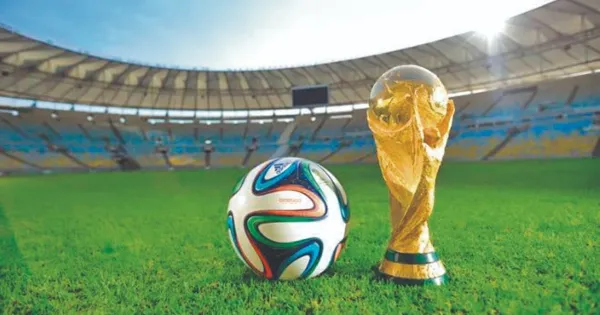
The FIFA World Cup, which started in Canada, Mexico and America, will be the grandest event in history. 48 teams, 104 matches, 16 host cities and a joint event between three countries. This will be the biggest World Cup ever. It is estimated that more than 50 billion people around the world will connect with it through TV, mobile, streaming platforms and stadiums. Football is not just a game, but a global passion, which transcends language, religion, culture and geographical boundaries and unites humanity.
The greatest strength of football is its simplicity. It does not require expensive equipment. Just a ball, an empty field and some teammates. From Brazil to remote villages in Africa, huge stadiums in Europe and roadside matches in Asia, the game offers a level playing field for every class. The first World Cup started in Uruguay in 1930 with just 13 teams. The tournament became popular at the international level due to the vision and tireless efforts of Jules Rimet, the then President of FIFA. Rimet transformed football into an ambassador of peace by transcending political and cultural divisions, thanks to which today more than 200 countries are part of the FIFA family.
The 2026 World Cup is historic in many ways. The number of teams has increased from 32 to 48, which will give many new countries a chance to showcase their talent. The three host countries are taking the event to unprecedented levels. A unique confluence of huge stadium, modern facilities and multinational culture will be seen. Fans will not only watch the matches but will also participate in the traditions, music, cuisine and cultural programs of different countries. FIFA Fan Festivals will further enrich this experience.
Football lovers around the world consider some players as their special favourites. Brazil’s Pele (Black Pearl) gave football the status of art by winning three World Cups. Argentina’s Diego Maradona’s magical dribbling won millions of hearts. Lionel Messi immortalized his legacy by winning the World Cup in 2022. The fitness and goalscoring ability of Cristiano Ronaldo, the story of Brazil’s Ronaldo overcoming injuries, the pace of Kylian Mbappe and the tactical depth of the likes of Franz Beckenbauer, Johan Cruyff – these stories are examples of poverty, struggle and success.
These players prove that football is inclusive and exciting. The young generation is naturally connecting with it. Football is a vibrant celebration of emotions. The joy of a goal, the pain of defeat, the thrill of an underdog team’s victory – these experiences are universal. Maradona’s ‘Hand of God’ and ‘Century of the Century’ goals in 1986 are still remembered. Argentina’s victory at the 2022 Qatar World Cup also inspired the new generation. FIFA’s campaign ‘Football Unites the World’ conveys exactly this message. Football is a powerful medium for peace, education, social inclusion and anti-racism.
The level of technology in this World Cup will be higher than ever before. The latest technologies like Video Assistant Referee (VAR), goal-line technology, real-time data analysis, AI-powered match analysis, 3D player avatar and semi-automated offside technology will make every moment more exciting. From streets to club academies, millions of children dream of one day shining on this global stage.
The biggest benefit is cultural exchange. People speaking different languages would gather around a ball, wave flags, sing songs and share in each other’s happiness. Football makes competition respectable and gives a message of peace. Meanwhile, in the cricket-mad world, the FIFA World Cup is a special celebration for India every four years. Even though the Indian team is not seen on the field, this tournament makes a lot of noise in millions of hearts. In the 2022 Qatar World Cup, more than 11 crore Indians watched the matches on digital platforms, while the final alone reached 3.2 crore viewers. The total watch time was more than 40 billion minutes.
In states like Kerala, West Bengal, Tamil Nadu and Maharashtra, this obsession is to the extent of madness. Midnight screenings, bike rallies, fan zones, taking to the streets wearing jerseys and reactivation of WhatsApp groups are common. The young generation of India watches the European League and dreams that one day India will also shine on the world stage, although the development of football is slow under the shadow of cricket, but the attraction of the World Cup gives new energy to Indian football.
Football is not a game of 90 minutes, but a game of dreams, teamwork, patience and the spirit of never giving up. Where there is tension and conflict in the world, football gives the message of peace and unity. ‘Football Unites the World’ is not just a slogan – it is reality. The 2026 World Cup will not only create new memories but will also inspire the coming generations that the whole world can become one family through one ball. The popularity of football is also increasing in countries like India. This event will further encourage young talents. (These are the personal views of the author)

Comments are closed.